




Intermodal Rail Shipments Help Norfolk Southern See Record Yearly Profit
Intermodal rail movements help propel the railroad Norfolk Southern Corp. toward achieving record net income for 2014, according to figures it released on Monday.
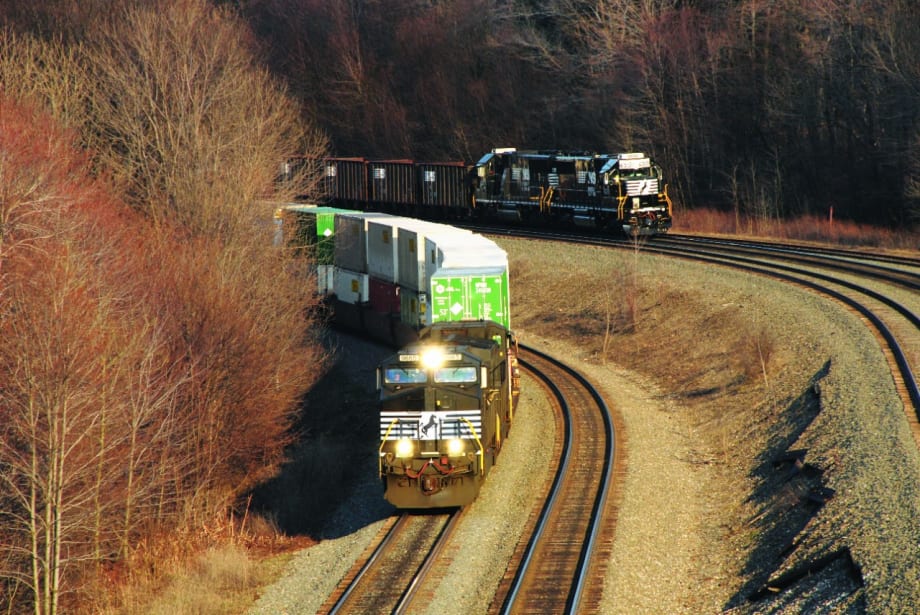
Photo: Norfolk Southern

Intermodal rail movements help propel the railroad Norfolk Southern Corp. toward achieving record net income for 2014, according to figures it released on Monday.
Net income increased 5% from 2013 to $1.9 billion on total revenue of $11.6 billion, a 3% increase during the same time frame. Diluted earnings per share for 2014 were a record $6.39, up 6% compared with $6.04 per diluted share for 2013.
Intermodal revenue increased to $2.6 billion, up 7% compared with 2013, while intermodal traffic volume was 8% higher.
Net income for the fourth quarter was $511 million, or $1.64 per diluted share, compared with $513 million, or $1.64 per diluted share, earned in fourth-quarter of 2013. Revenue was $2.9 billion, close to where it was a year earlier, with gains in merchandise and intermodal revenues offsetting weaker coal revenues. Total volume was up 4% due to gains in intermodal and merchandise traffic.
Intermodal revenue in the final quarter of last year increased to $649 million, 5% higher compared with fourth-quarter 2013. Growth in international and domestic business pushed traffic volume up 6% in the quarter compared with the same period of 2013.
Norfolk Southern Corp operates approximately 20,000 miles of railway in 22 states and the District of Columbia, serves every major container port in the eastern United States,and provides connections to other rail carriers.
More Fleet Management
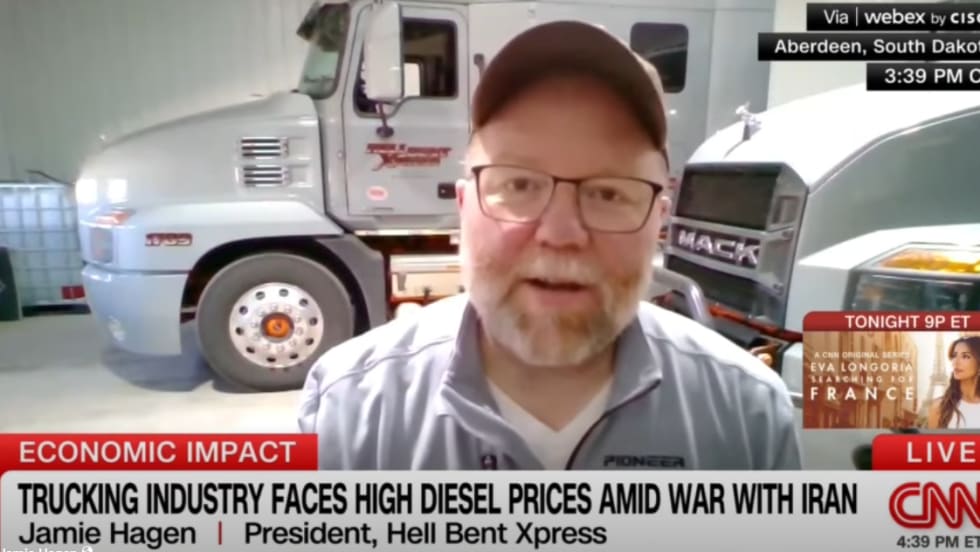
Jamie Hagen Gets Real About Running a Small Fleet in an Uncertain Economy
Small fleet owner Jamie Hagen says new legal risks, volatile fuel prices, and a changing freight market are forcing small carriers to rethink how they operate -- and what they can afford.
Read More →
Jamie Hagen Gets Real About Freight, Fuel Prices, Safety, and Small-Fleet Survival
Running a small trucking fleet right now isn’t easy, especially right now. And Jamie Hagen doesn’t sugarcoat it.
Read More →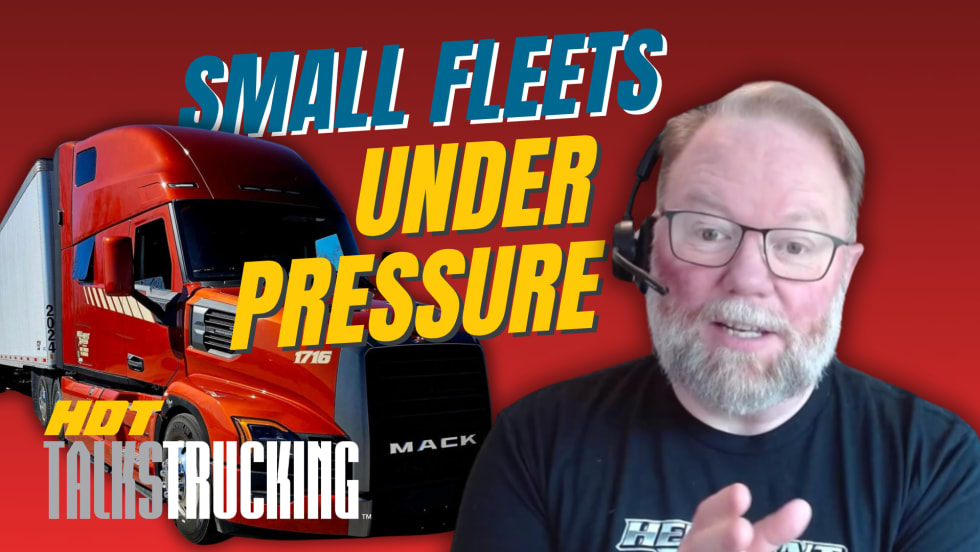
Jamie Hagen Gets Real About Freight, Fuel Prices, Safety, and Small-Fleet Survival
Running a small trucking fleet right now isn’t easy, especially right now. And Jamie Hagen doesn’t sugarcoat it.
Read More →
Data Lock‑In or Integration Lock‑Out?
Data fragmentation is costing dealerships, OEMs, fleets, and upfitters millions. Here’s why interoperability may be the fix the trucking industry needs.
Read More →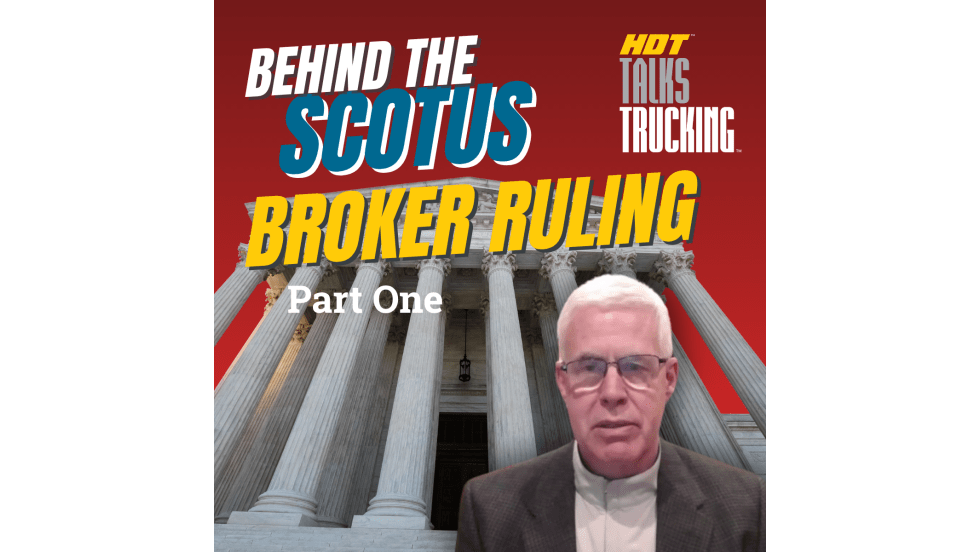
What Trucking Fleets and Brokers Need to Know About This Supreme Court Case
In May, the U.S. Supreme Court ruled that freight brokers can be held liable for damages if a truck they have contracted with is involved in an accident. Listen as this transportation attorney breaks down the ruling and its implications for the trucking industry.
Read More →
The Trucking Industry’s Threat Intelligence Gap
The trucking industry has no shortage of cybersecurity reports and cargo crime statistics. What it lacks is timely, operational intelligence that fleets can actually use.
Read More →
Truck Crash Rates Are Down. So Why Do Insurance Costs Keep Rising?
ATRI’s latest research points to litigation, social inflation, and soaring claims costs as key drivers behind record-high liability premiums for trucking fleets. But there are things motor carriers can do.
Read More →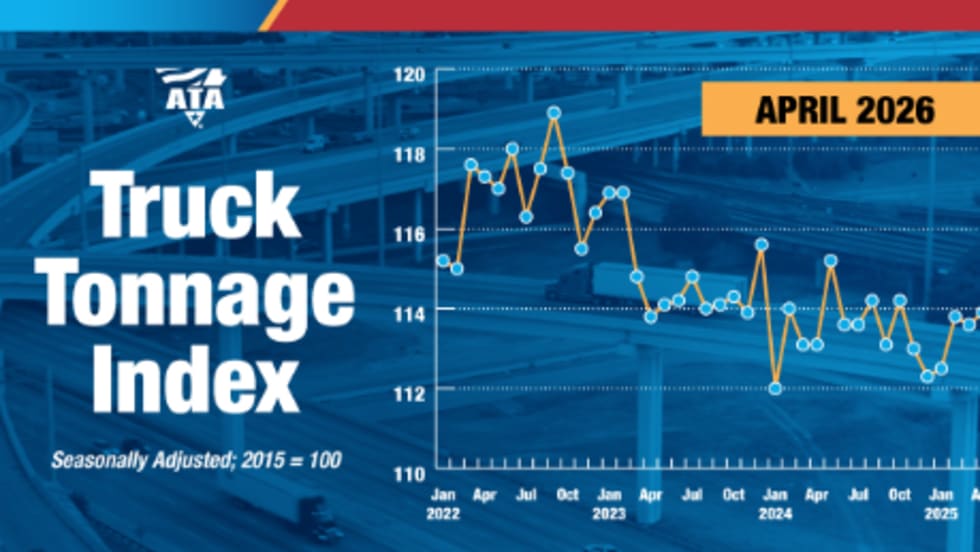
ATA Truck Tonnage Holds Steady in April at Highest Levels Since 2022
ATA’s For-Hire Truck Tonnage Index was unchanged in April after a strong March gain, with freight volumes remaining at their highest levels since late 2022.
Read More →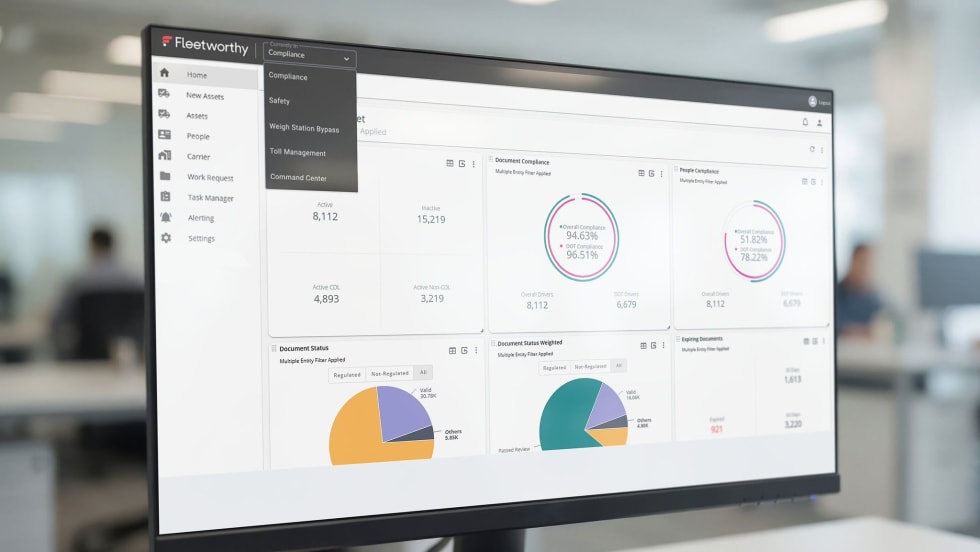
Fleetworthy Launches Connected Platform for Fleet Readiness Across Safety and Compliance, Toll Management, and Weigh Station Bypass
Fleetworthy has unveiled three major product launches it says mark a new era in fleet readiness.
Read More →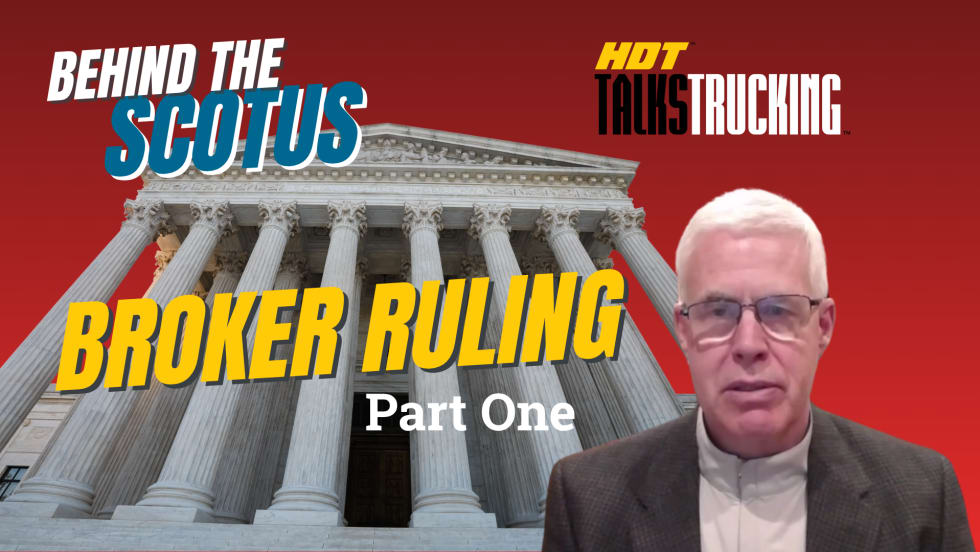
Behind the SCOTUS Broker Ruling Part 1
Transportation attorney Greg Feary breaks down the recent Supreme Court decision that brokers can be held liable for damages in truck accidents and what it means for the trucking industry going forward.
Read More →