


Related: UPS Anticipates 4 Million Returns After Holidays
Related: FedEx Increases Quarterly Profit 23%
 MENU
MENU SEARCH
FedEx acquired third party logistics company Genco, expanding the company’s portfolio to include reverse logistics which deals with the processing of returns for retailers.
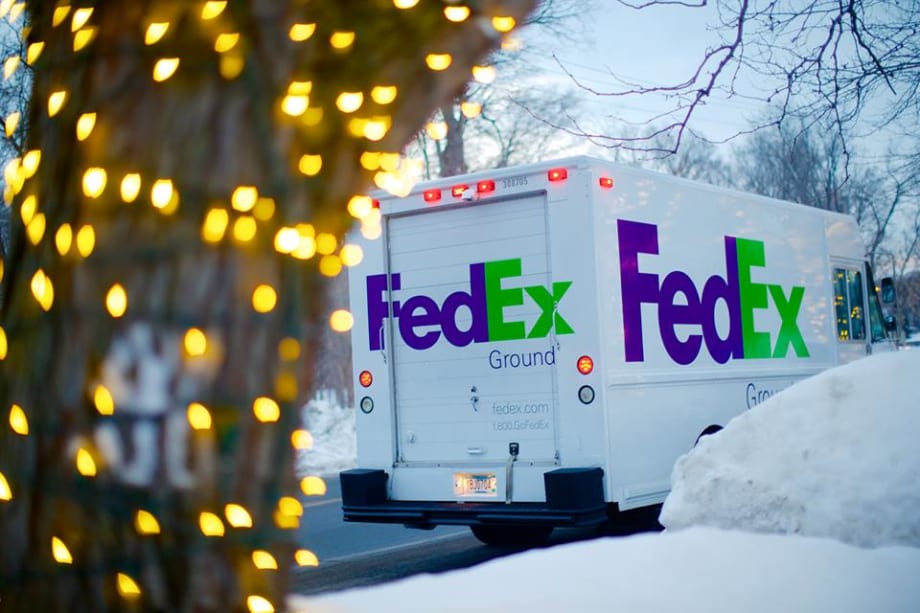
Photo by FedEx.
Photo by FedEx.
FedEx acquired third-party logistics company Genco, expanding the company’s portfolio to include reverse logistics which deals with the processing of returns for retailers.
Genco specializes in reverse logistics, processing more than 600 million returned items annually. The acquisition is set to be completed in 2015.
In a recent quarterly earnings call, FedEx Services president and CEO Mike Glenn called Genco a market leader that would be transformative for FedEx’s portfolio of e-commerce and supply chain solutions.
“Genco is one of the largest third-party logistics providers in North America,” said Glenn. “They have a broad range of product lifecycle and supply chain services that will significantly expand our portfolio.”
Genco’s reverse logistics business serves large brands by processing, testing, repairing, remarketing and liquidating returns, mostly from purchases made online. FedEx was initially hesitant to enter the 3PL business because of relatively low profit margins but became interested in Genco because the company focused on returns which is important to online consumers.
“The attractive part of Genco was that it had sailed directly with those winds into the market leadership in the reverse logistics space,” said Fred Smith, chairman and CEO of FedEx. “With FedEx Ground and FedEx Smart Post in that sector, it was just a natural fit.”
In a recent release, UPS announced that it was expecting returns from the holiday season to number in the millions by the first week of January. Part of the reason for this is that returned purchases are on the rise thanks to online purchasing. UPS even found that 68% of consumers would complete an online purchase if the retailer offered a free return shipping label.
“Returns in the e-commerce segment are a more important issue than they are in a typical retail channel, representing a larger percentage of overall sales,” said Glenn. “It’s critical that we have these capabilities.”

Volvo VNL Autonomous trucks, powered by the Waabi Driver, are hauling freight directly to third-party facilities for a customer in Texas.
Read More →
Agent Studio lets fleets create AI tools for hours-of-service monitoring, reporting and driver support, including agents that communicate by phone.
Read More →
Two cabless electric trucks are hauling freight between EASE Logistics facilities in Marysville, Ohio, as part of a multi-state truck automation project.
Read More →
The new card combines fuel discounts with telematics-based purchase controls. Geotab’s analysis also points to potential savings from choosing lower-priced fuel stops.
Read More →
Multi-factor authentication adds protection when passwords are stolen. Here’s how it works and where fleets should start.
Read More →
Trucking and logistics teams have plenty of data. The problem is getting the right information in front of the right people soon enough to act. Better-connected data can help teams spot trouble earlier and make smarter decisions before small problems become big ones.
Read More →
At Insight 2026, Trimble executives argued that fleets may need to redesign workflows to get more from AI as it introduced new products and enhancements. AI’s value will depend on how fleets combine automation with their people's knowledge.
Read More →
An ELD can prove compliance, but it cannot always prove what happened on the road. Discover how uniting accurate ELD data with AI-powered dash cam video can help your fleet strengthen compliance, defend against liability, protect drivers and reduce operational costs.
Read More →
Heavy Duty Trucking is looking for accomplished trucking fleet professionals under 40 who are making an impact and helping lead the industry forward.
Read More →
Private fleets are putting their own trucks on demanding customers and high-cost lanes as companies seek greater control over service, costs, and capacity.
Read More →