




Truck Replacement Program for New York, New Jersey Ports Extended
The Port Authority of New York and New Jersey has approved the continuation of a program that helps port truckers replace older, higher-polluting vehicles with newer, cleaner burning ones.

Port Newark. Photo: Doc Searls via Wikimedia Commons
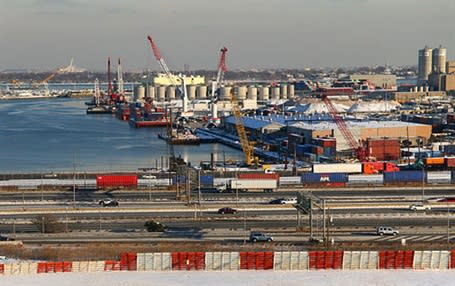
Port Newark. Photo: Doc Searls via Wikimedia Commons
The Port Authority of New York and New Jersey has approved the continuation of a program that helps port truckers replace older, higher-polluting vehicles with newer, cleaner burning ones.
Its board on Wednesday approved an additional $2.42 million for the agency's Truck Replacement Program, which began in 2010 to provide a financial incentive to truckers toward the purchase of newer vehicles. The funds will help pay for the replacement of approximately 80 older trucks with 2007 or older engines. The newer trucks are projected to result in emission reductions of approximately 42 tons of particulate matter and 708 tons of nitrogen oxides over the lives of the replacement vehicles, according to the port authority.
The program, funded by a $2 million federal Congestion Mitigation and Air Quality grant, will cover up to 50% of the cost of a new truck, up to a maximum of $25,000 per truck. To be eligible for the program, truckers must regularly call on Port Authority of New York and New Jersey marine terminals and commit to serving the port for at least five years.
Since the program began, the port authority has disbursed federal grant money to replace 429 older trucks with newer models.
Since its inception, the Truck Replacement Program has resulted in an estimated annual emission reduction of 356 tons of nitrogen oxide and 14 tons of fine particulate matter, which represent roughly 70% and 64% percent reductions, respectively, in both pollutants, according to the port authority.
More Equipment
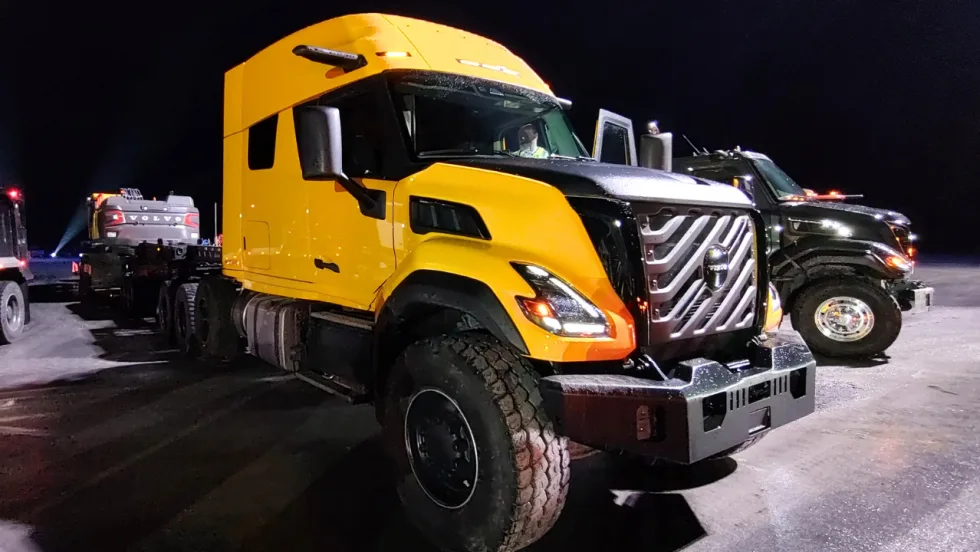
Volvo Unveils New VNX Heavy-Haul and Vocational Truck
Volvo Trucks has launched the VNX, a new vocational truck also available as a tractor in day cab and two sleeper configurations, with one heavy-haul model. The Volvo VNX is powered by Volvo's D13 platform, which delivers up to 540 horsepower and 1,950 pound-feet of torque and is EPA 2027-compliant.
Read More →
How GP Transco Cuts Trucking Fuel Costs, a Tenth of a Gallon at a Time
What’s another tenth of a mile per gallon worth? GP Transco shares how equipment upgrades and driver coaching turn small gains into meaningful fuel savings.
Read More →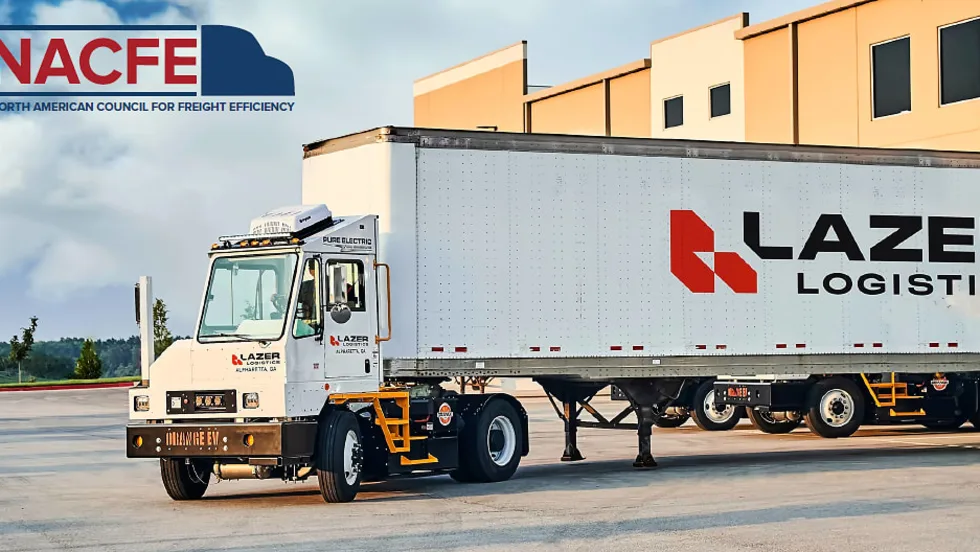
Electric Yard Tractors Move Beyond Pilots
Operating-cost savings have overtaken sustainability goals as the leading reason surveyed fleets are adopting battery-electric terminal tractors, according to new NACFE research.
Read More →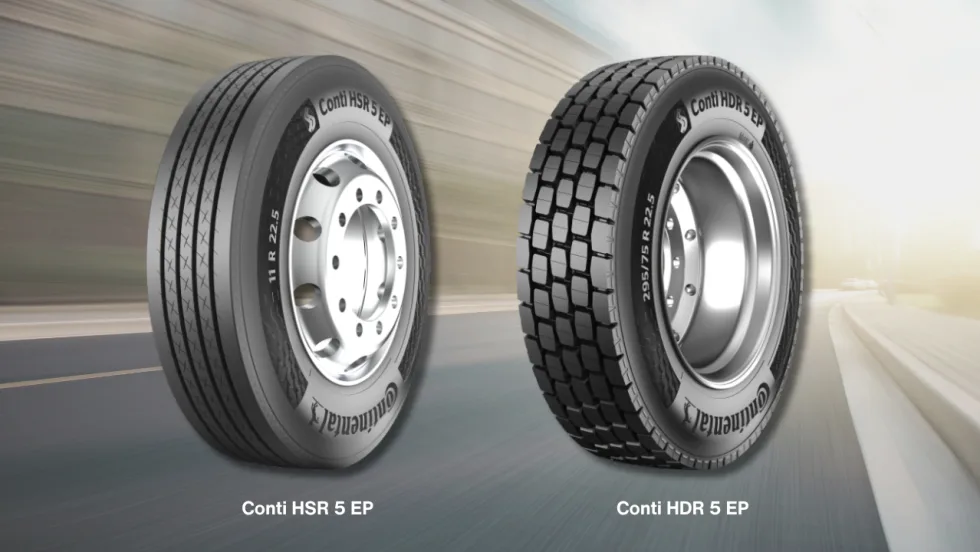
Continental Introduces New Regional Truck Tires
Continental says its new Generation 5 steer and drive tires for regional operations offer longer tread life, with estimated mileage gains of 22% and 19%, respectively.
Read More →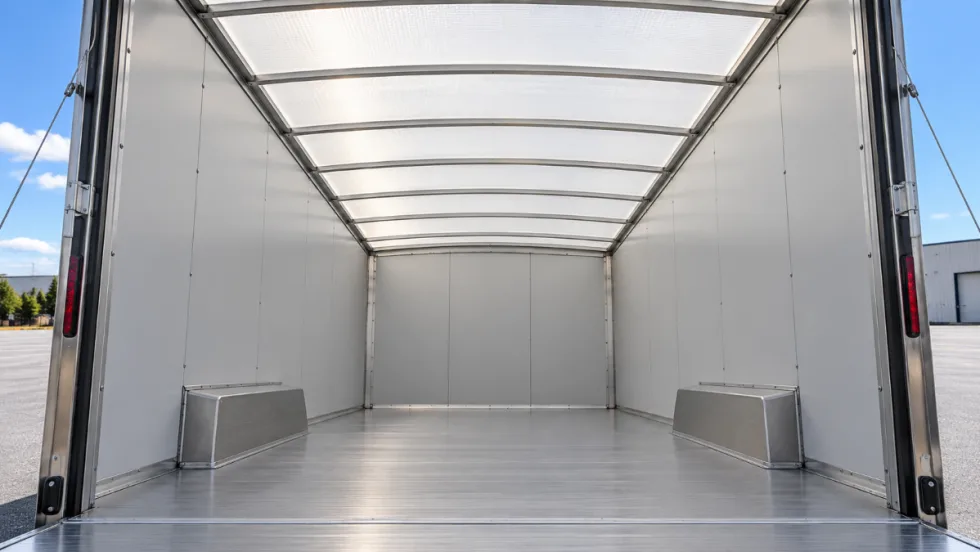
Tekmodo Introduces CargoBright Brand for Translucent Trailer Roofs
CargoBright is designed to diffuse daylight across the cargo area while performing as a working vehicle roof.
Read More →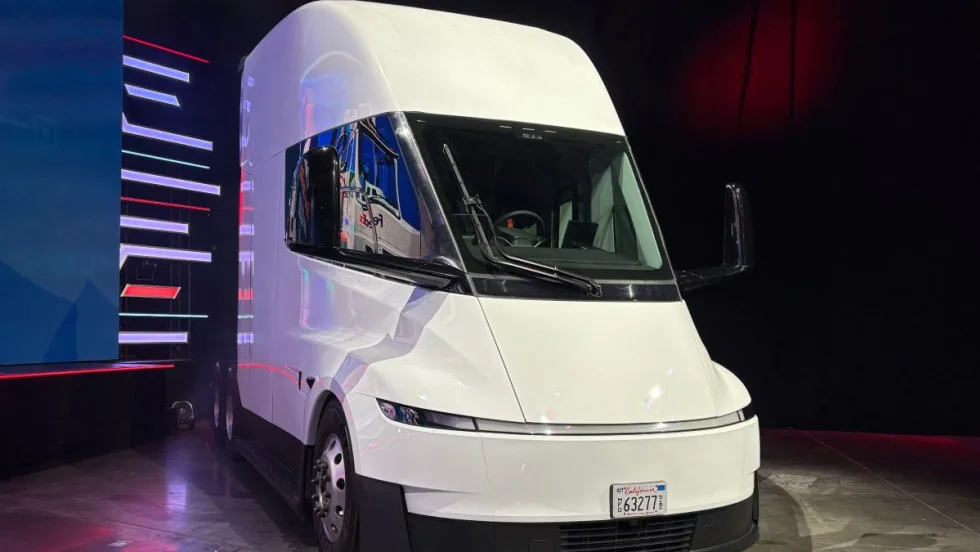
Fleet Economics Shape Electric Truck Outlook
ACT Research expects costs, charging infrastructure, and technology improvements to drive zero-emission commercial vehicle adoption as federal regulations and incentives retreat.
Read More →
Kodiak Targets Dallas–Houston for Driverless Trucks
The company says its autonomous trucks are completing the I-45 run without a safety observer taking control. It plans to remove the observer by the end of 2026.
Read More →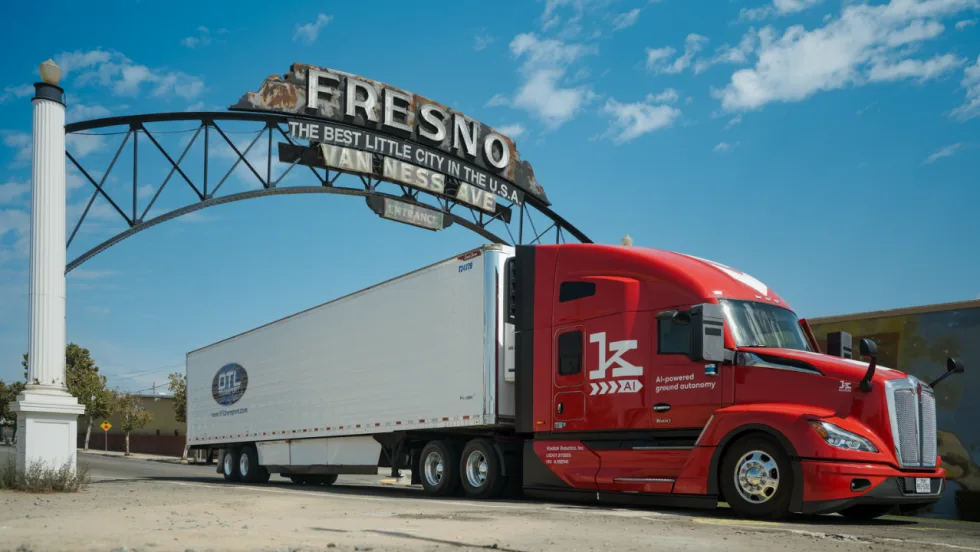
Kodiak Hauls Produce in California Autonomous Truck Pilot
Kodiak AI and DTL Transport have begun hauling produce between Fresno and Los Angeles under California’s new rules for testing heavy-duty autonomous trucks. A safety driver remains behind the wheel.
Read More →
Used-Truck Remarketing Math Is Changing
Used-truck value is no longer just a concern at trade-in. Decisions made throughout a truck’s first life can influence what it’s worth years later.
Read More →
How Volvo Updated Its D13 for EPA 2027 [Watch]
Volvo’s updated D13 promises lower emissions without sacrificing performance or fuel economy. Take a closer look at what changed inside the engine in this HDT Spotlight video.
Read More →