




Survey: Electronic Logs Don't Lead to More Driver Harassment
Few truck drivers feel they are harassed by their employers or shippers, and drivers who use electronic logs experience no more harassment than those who use paper logs. Those are the key findings of a survey by the Federal Motor Carrier Safety Administration.

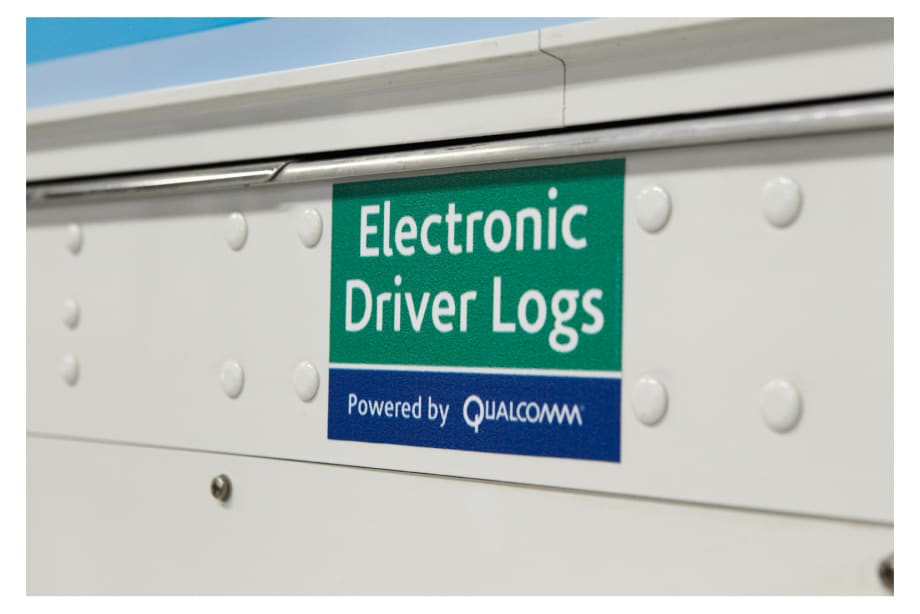
Few truck drivers feel they are harassed by their employers or shippers, and drivers who use electronic logs experience no more harassment than those who use paper logs.
Those are the key findings of a survey by the Federal Motor Carrier Safety Administration in response to concerns that harassment will increase under the pending electronic logging device mandate.
“The evidence in this survey research does not support concluding that harassment occurs due to being in a situation where [hours of service] are logged using ELDs,” the agency said.
The agency conducted the survey as part of its preparation for an ELD mandate that is expected next year. The rule will require most drivers to eventually switch from paper to electronic logs. It will set standards for the devices and the supporting documents that regulators need to confirm compliance, as well as protect drivers from harassment.
The research was triggered specifically by a 2011 court ruling that said the agency needed to consider the possibility of harassment under the ELD mandate.
The agency surveyed and interviewed drivers and carriers, asking about the type and frequency of their interactions. The drivers were given a list of 14 kinds of interactions that could be considered harassment, and were asked how they viewed them.
Fewer than 30% of the drivers considered any of the interactions to be harassment, and 42% said none of them were.
The interactions most likely to be considered harassment were interruption during off-duty time (28%), asking the driver to work when he felt tired (28%) and asking the driver to falsify his logs in order to work longer or delay a break (26%).
“Few drivers experience regular interactions with their carriers that they consider to be harassment,” the agency said.
For instance, 7% of the drivers had their off-duty time interrupted two or more times a month, and 1% reported being asked to change their log in order to work longer.
The carrier interviews backed up the drivers’ perception that harassment is not widespread, the agency said.
For instance, 5% of the carriers said that on average they ask a fatigued driver to work once a month, and 2% said they do it twice a month.
Perceptions of harassment were generally the same no matter which logging method the driver used. There were differences in perceived harassment between paper logs and ELDs, but they were not statistically significant, the agency said.
“Two percent of drivers experienced an interaction that they considered to be harassment and that they associated with the HOS-logging capabilities of the ELD.”
The agency found that drivers on electronic logs do have different experiences in some respects. They are more likely to be paid for customer delays, and to have management ask customers to adjust schedules for the driver’s sake.
But the ELD drivers also were more likely to be required to wait between loads for more than two hours without pay, and to be interrupted when off-duty.
The survey found drivers generally are positive about the way ELDs can cut their paperwork, but some believe the devices reduce their independence and give management too much information about how they spend their time.
More Drivers

New Independent Contractor Rule Gives Trucking More Clarity
The Labor Department is once again changing how it determines who's an independent contractor. This time, the rule includes specific examples addressing trucking safety requirements, CDLs, and lease-purchase agreements.
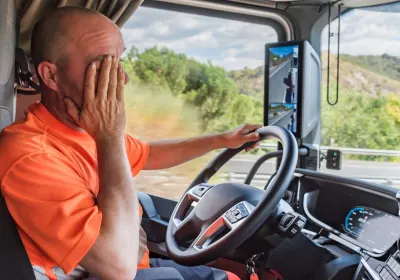
Catching Driver Fatigue is One Thing. What You Do Next Matters Just as Much
Fleets are getting better at detecting driver drowsiness. Few have figured out what should happen next, and that gap is where the real risk still lives.
133 ELDs Revoked as ATA Pushes Certification Reform
FMCSA just removed a record number of electronic logging devices from its registry. ATA says it's time to rethink how ELDs get approved in the first place.
CVSA Sets 2027 International Roadcheck Dates
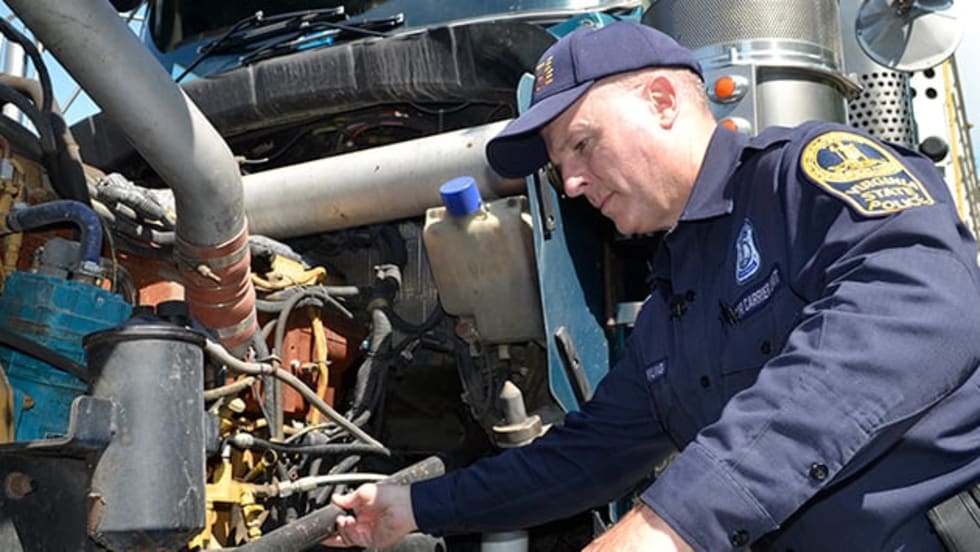
The annual 72-hour truck inspection blitz will take place May 11–13 across North America. Here's what fleets can expect and what inspectors found during the 2026 event.

FDA Eases Path for Oral-Fluid Testing
Federal actions could advance oral-fluid drug testing for truck drivers, but lab certification delays and marijuana rescheduling questions remain.

Why Hiring Truck Drivers Is Getting Harder
Higher recruiting costs, a shrinking driver pool, and renewed pay competition are raising the stakes for fleets heading into 2027.
Roehl Offers Truck Drivers $10,000 Retention Incentive
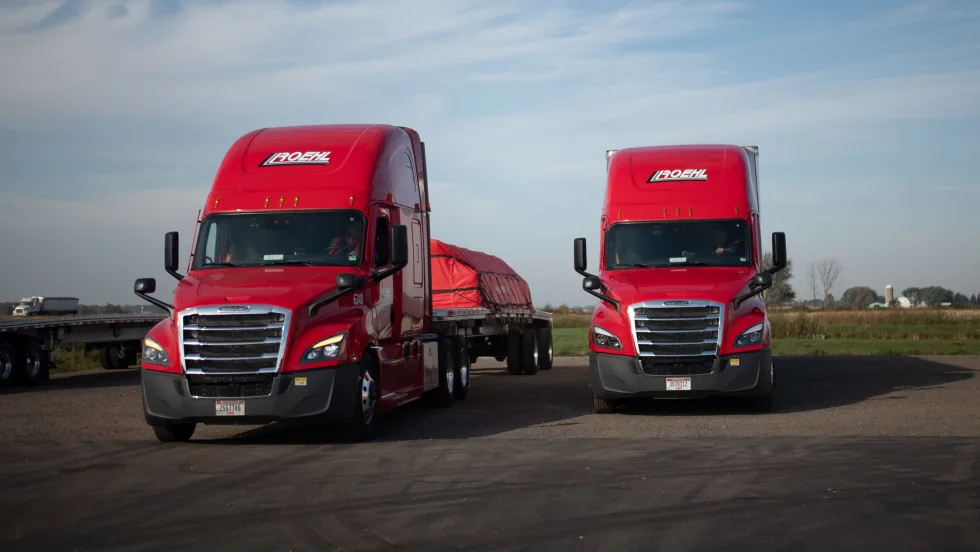
Payments begin after the first load and continue in mileage-based installments for eligible experienced drivers joining the fleet.
Platform Science Adds Dispatch and Safety Tools
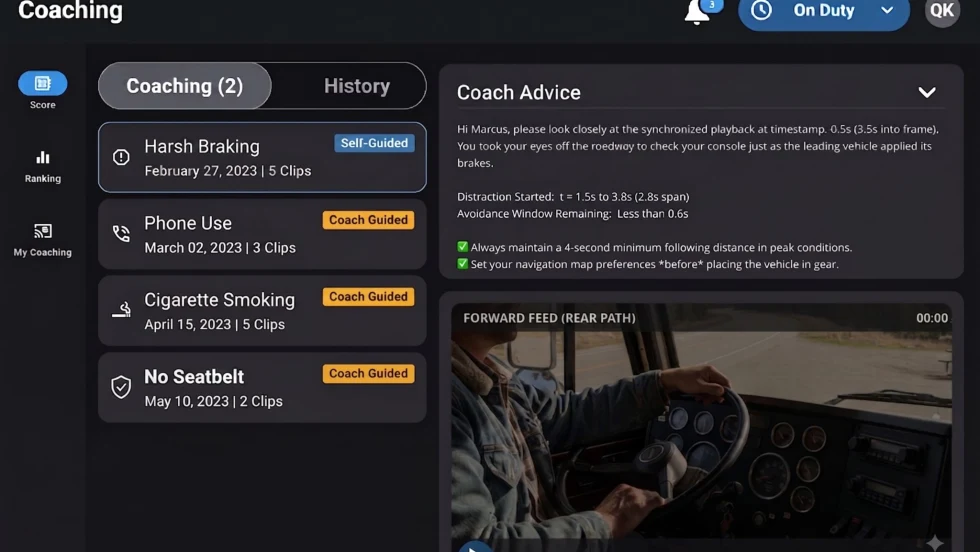
Four additions to PS Fleet help fleets monitor loads, manage driver coaching, share truck locations and adjust video system settings.
When Language Stops the Truck: The Return of ELP Out-of-Service Orders
English language proficiency rules for commercial drivers aren’t new, but renewed out-of-service enforcement has raised the stakes. Here’s what carriers need to know before a driver reaches a roadside inspection.

Samsara Launches Custom AI Agent Builder
Agent Studio lets fleets create AI tools for hours-of-service monitoring, reporting and driver support, including agents that communicate by phone.