




FMCSA Wants Comments on Insurance Proposal
The Federal Motor Carrier Safety Administration is looking for comments on a plan to raise insurance minimums for carriers and establish insurance requirements for brokers and freight forwarders.

The Federal Motor Carrier Safety Administration is looking for comments on a plan to raise insurance minimums for carriers and establish insurance requirements for brokers and freight forwarders.
The long-awaited notice is scheduled for publication in the Federal Register this week. The agency said it will publish an insurance proposal for private carriers separately.
The agency is acting on instructions from Congress to update insurance requirements that have been in place for almost 30 years.
In 1985, the Department of Transportation (FMCSA did not exist then) set minimums of $750,000 for general freight, $5 million for the most dangerous hazmats and $1 million for other hazmats.
In 2012, Congress considered telling the agency to raise the general freight minimum to $1 million but ultimately told the agency to prepare an analysis that could become the basis for a new standard.
In its analysis the agency found that the minimums need to be reevaluated due to increasing medical costs and changing statistical life estimates. It is considering a range of numbers but one would be to peg the minimums to the Consumer Price Index.
If that happens, the general freight requirement would jump to $1.6 million, dangerous hazmats would go to $10.8 million and other hazmats would go to $2.2 million.
In this week’s notice the agency says the analysis provides preliminary support for raising the minimums but it wants more information.
The agency has dozens of specific questions. Among them: what should the minimums be, what would an increase do to premium costs, how often do current minimums cover actual costs of a crash, and how would an increase in the minimums affect large and small carriers.
Comments will be due in February.
More Safety & Compliance
Driveline Defect Spurs Recall of Daimler, Paccar, Mack and Volvo Trucks
More than 6,900 2027-model trucks are being recalled because a missing snap ring could allow the driveline to separate from the truck.
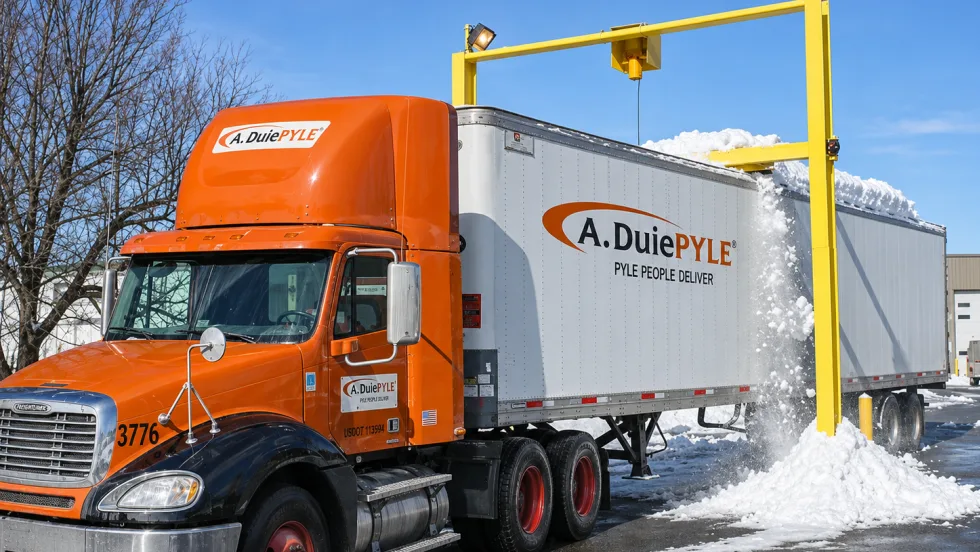
Truck Snow Removal: Fines Aren't the Only Risk
Delaware and Maryland are the latest states to add requirements and fines for snow and ice removal on commercial trucks. But a flying-ice accident could cost a fleet more than a citation.

How ATA Wants to Fix ELD Certification
ATA's new roadmap calls for independent ELD certification, better fraud detection and closer oversight of providers. Here's how the proposed system would work.
133 ELDs Revoked as ATA Pushes Certification Reform
FMCSA just removed a record number of electronic logging devices from its registry. ATA says it's time to rethink how ELDs get approved in the first place.
CVSA Sets 2027 International Roadcheck Dates
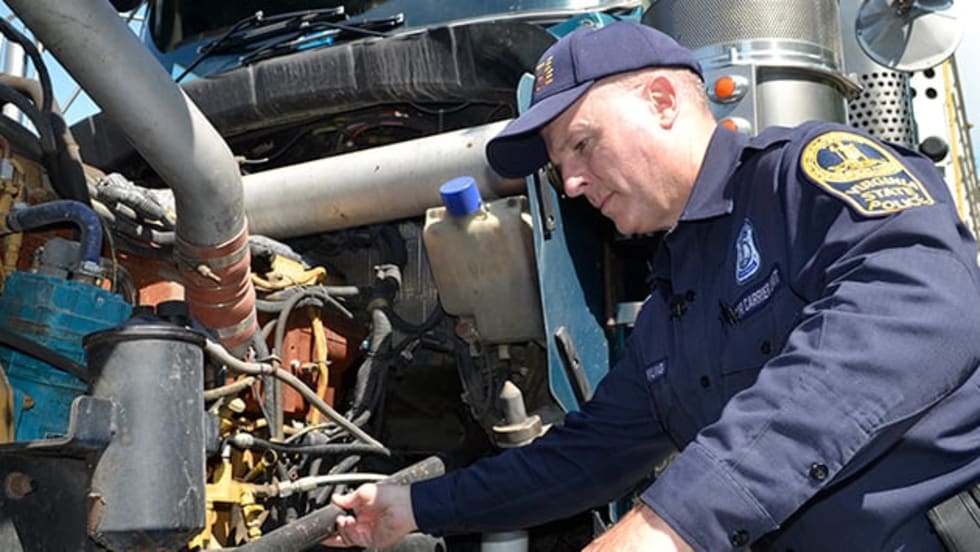
The annual 72-hour truck inspection blitz will take place May 11–13 across North America. Here's what fleets can expect and what inspectors found during the 2026 event.

FMCSA’s New Complaint Platform Makes It Easier to Report Trucking Safety Concerns
The FMCSA Complaint Center features expanded complaint categories and a name change away from the word "consumer."

FDA Eases Path for Oral-Fluid Testing
Federal actions could advance oral-fluid drug testing for truck drivers, but lab certification delays and marijuana rescheduling questions remain.
Kodiak Lines Up Fleets for Driverless Trucking
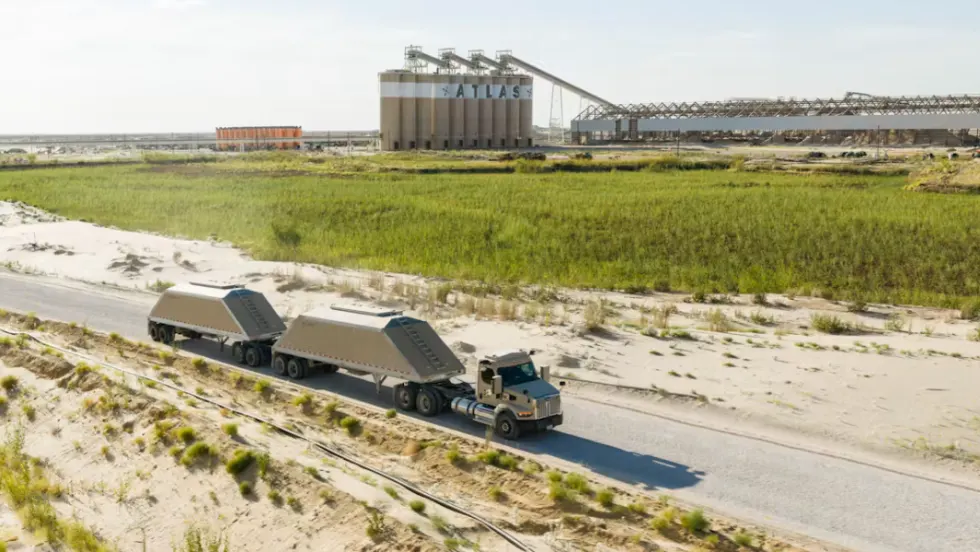
An agreement for 75 trucks, a new Texas freight lane, and progress on safety validation move Kodiak closer to its planned driverless highway launch.
More Trailer Data Through the Same Seven-Way [Video]
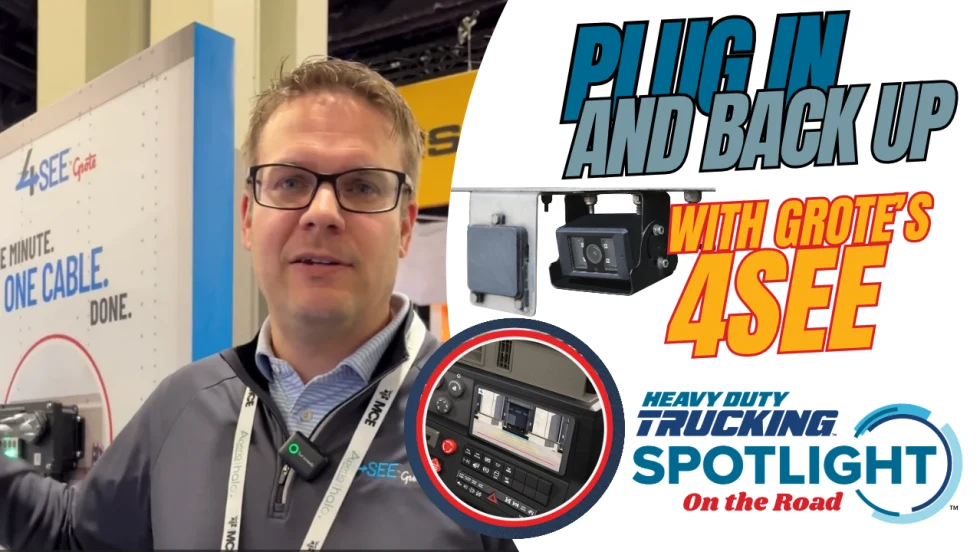
Can trucking’s standard seven-way connector handle more cameras and trailer data? Grote’s Adam Slade shows HDT how the company is using new technology with its 4See trailer system, not only to add a new backup camera but also to expand other capabilities — without adding another connection.
PrePass Intelligence Mines Fleet Bypass, Toll and Safety Data
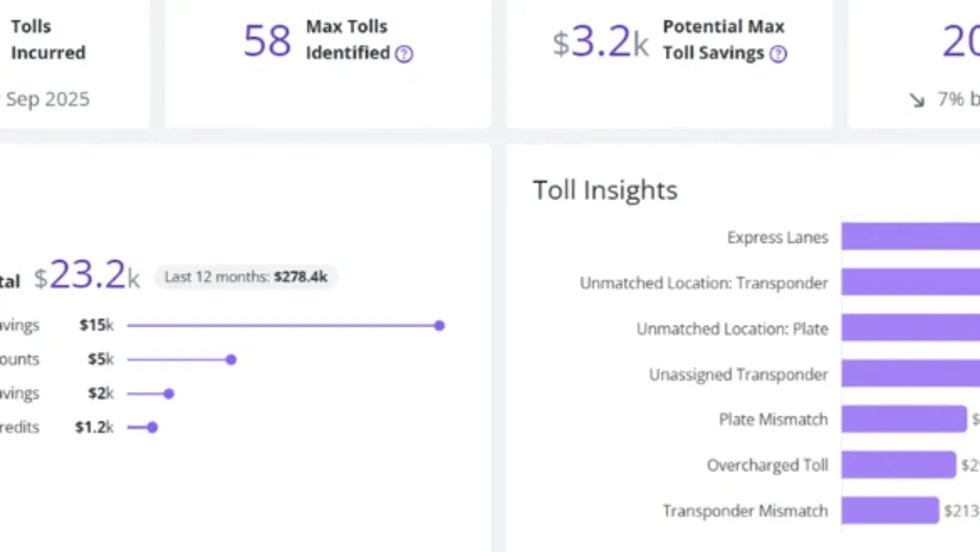
PrePass Intelligence helps fleets measure bypass savings, flag potential toll overcharges, and spot suspicious transactions by combining data from separate systems.