




FMCSA Reaches Final Phase of Wireless Inspection Project
The FMCSA reached the final phase of its Wireless Roadside Inspection project , a program testing the viability of wirelessly transmitted vehicle inspections.
The FMCSA reached the final phase of its Wireless Roadside Inspection project when it made Innovative Software Engineering the telematics provider for the project. The project is being managed by the Oak Ridge National Laboratory.
The WRI project is designed to evaluate the viability of using wireless capabilities to provide real-time identification and status information of vehicles, drivers and carriers. ISE had participated in the initial phase of the WRI program when it successfully demonstrated the viability of wireless technology during a FMCSA sponsored event.
In the final phase of the programs, wireless inspections will be conducted using commercial mobile radio service technologies during a field test of 1,000 vehicles. The test will last 12 months beginning in December 2015.
The trucks in the test will be inspected wirelessly as they come within range of current fixed and temporary inspection sites across the southeastern U.S. Those participating in the project will have their monthly telematics fees paid for as part of ISE’s contract with the FMCSA.
ISE is tasked with providing end-to-end telematics for mobile and could-based components, integrating them seamlessly with the government system. To meet this challenge, ISE is customizing its eFleetSuite which provides electronic driver logs and other features.
The software will serve important functions like geo-fence detection when vehicles approach an inspection site and the transmission of inspection data to the government system in real-time.
“This is a significant project for both the commercial motor vehicle industry and the federal government,” said Hass Machlab, president and CEO of ISE. “We are honored to be selected by ORNL as their telematics services provider and software engineering services partner for such an important program.”
More Safety & Compliance
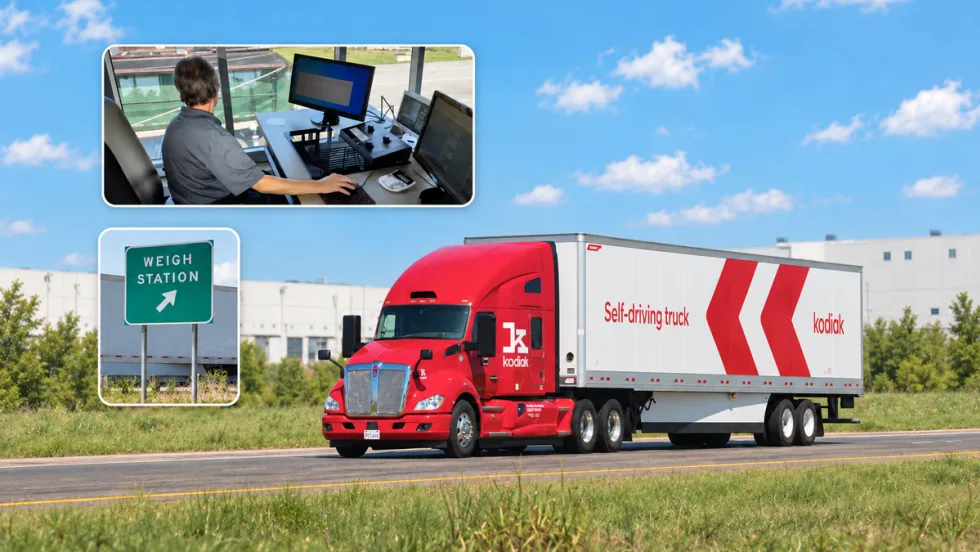
PrePass, Kodiak Connect Driverless Trucks to Roadside Enforcement
The system will allow enforcement agencies to verify Enhanced Inspection information and decide whether Kodiak’s autonomous trucks can bypass roadside screening sites.
Read More →
From One Generation to the Next: How Mentorship Builds Safer Truck Drivers
After three decades in trucking, Harold Perry shares what he's learned about driver safety, mentorship, and helping the next generation build confidence behind the wheel.
Read More →
FMCSA Pauses Biennial-Update Enforcement Amid Motus Transition
Carriers whose updates were due on or after June 1 have more time, while FMCSA works to stabilize its new registration system and warns of phishing sites impersonating its new carrier registration system, Motus.
Read More →
ZF Expands Commercial Vehicle Push in North America
ZF is expanding its North American commercial-vehicle presence with new transmission applications, electrification, trailer technology and autonomous-driving systems.
Read More →
Truck Drivers Need More Than Another Alert
Fleets have more visibility into truck health, safety events, and driver activity than ever. The next challenge is turning all that information into useful guidance for the person who has to decide what to do next.
Read More →
Tesla Wants a Self-Driving Semi. Are Cameras Enough?
Could Tesla’s camera-only autonomous driving technology work on an 80,000-pound Semi? In this commentary, HDT's Deborah Lockridge takes a look at Tesla, Cybercab, and how autonomous trucks see the road.
Read More →
What DOT’s Automated Vehicle Strategy Means for Trucking
The U.S. Department of Transportation issued a new automated-vehicle strategy that outlines plans for driverless-truck regulations, cross-state freight corridors, and federal safety standards.
Read More →
NYC Expands Speed, Pedestrian Safety Tech Across Fleet
New York City is expanding intelligent speed assistance and pedestrian-alert systems across its municipal fleet, moving the technologies from pilot programs into vehicle procurement and retrofit requirements.
Read More →
FMCSA Removes 110 Truck Driver Training Schools from Certified ELDT List
Federal regulators also are targeting more than 160 additional training providers and launching a nationwide audit of third-party CDL skills testers as part of a broader crackdown on trucking fraud.
Read More →
Beyond DOT Compliance: What Makes a Trucking Fleet Truly Safe?
A trucking fleet can follow every rule and still make unsafe decisions. The real test comes when safety conflicts with freight, productivity, or cost.
Read More →