




Revised Rules Proposed for “Reverse Logistics” Hazmat Shipments
The U.S. Transportation Department’s Pipeline and Hazardous Materials Safety Administration has proposed revising hazardous materials regulations when it comes to return shipments of certain hazardous materials by motor vehicle.
The U.S. Transportation Department’s Pipeline and Hazardous Materials Safety Administration has proposed revising hazardous materials regulations when it comes to return shipments of certain hazardous materials by motor vehicle.
The proposal is for a definition for “reverse logistics'' for hazardous materials that are intended to be returned to or between a vendor, distributor, manufacturer, or other person for the purpose of returning for credit, product recall, replacement, or similar reason, for instance, from a retail or wholesale outlet.
“By creating an exception from existing regulations for certain reverse logistics shipments, this notice of proposed rulemaking offers opportunities for reduced compliance costs among hazmat shippers and carriers, without any decrease in safety,” said PHMSA in the Federal Register notice.
In addition to providing a new reverse logistics exception, the rulemaking also proposes to expand an existing exception for reverse logistics shipments of used automobile batteries that are being shipped from a retail facility to a recycling center.
“This change to the hazardous materials regulations will reduce the burden on the regulated community when consolidating shipments of lead acid batteries for recycling,” the agency said.
In July 2013 PHMSA published an advanced notice of proposed rulemaking asking for comments from the public on changes to the regulations that it claim would simplify requirements and reduce the burden on retail outlets. In response to PHMSA efforts in the area of reverse logistics, petitions for rulemaking, and comments submitted for the advanced notice of proposed rulemaking, PHMSA said it is proposing the following changes in this latest notice:
Define the term “reverse logistics'';
Establish regulations for the shipment of hazardous material in the reverse logistics supply chain;
Establish clear applicability to the training requirements associated with “reverse logistics” shipments;
Provide authorized packaging for reverse logistics shipments;
Establish segregation requirements for reverse logistics shipments; and
Allow more flexibility for the transportation of lead acid batteries.
The deadline for comments is Oct 10.
More Safety & Compliance
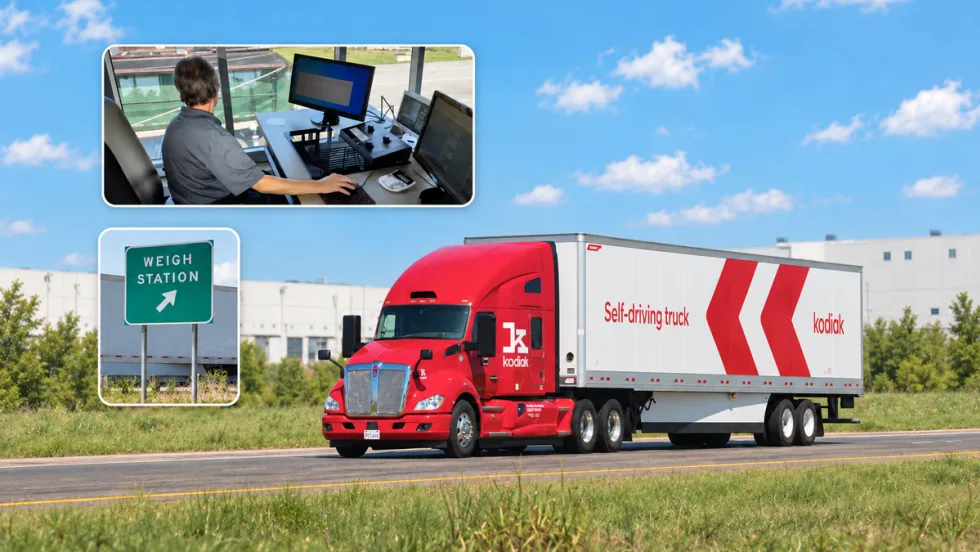
PrePass, Kodiak Connect Driverless Trucks to Roadside Enforcement
The system will allow enforcement agencies to verify Enhanced Inspection information and decide whether Kodiak’s autonomous trucks can bypass roadside screening sites.
Read More →
From One Generation to the Next: How Mentorship Builds Safer Truck Drivers
After three decades in trucking, Harold Perry shares what he's learned about driver safety, mentorship, and helping the next generation build confidence behind the wheel.
Read More →
FMCSA Pauses Biennial-Update Enforcement Amid Motus Transition
Carriers whose updates were due on or after June 1 have more time, while FMCSA works to stabilize its new registration system and warns of phishing sites impersonating its new carrier registration system, Motus.
Read More →
ZF Expands Commercial Vehicle Push in North America
ZF is expanding its North American commercial-vehicle presence with new transmission applications, electrification, trailer technology and autonomous-driving systems.
Read More →
Truck Drivers Need More Than Another Alert
Fleets have more visibility into truck health, safety events, and driver activity than ever. The next challenge is turning all that information into useful guidance for the person who has to decide what to do next.
Read More →
Tesla Wants a Self-Driving Semi. Are Cameras Enough?
Could Tesla’s camera-only autonomous driving technology work on an 80,000-pound Semi? In this commentary, HDT's Deborah Lockridge takes a look at Tesla, Cybercab, and how autonomous trucks see the road.
Read More →
What DOT’s Automated Vehicle Strategy Means for Trucking
The U.S. Department of Transportation issued a new automated-vehicle strategy that outlines plans for driverless-truck regulations, cross-state freight corridors, and federal safety standards.
Read More →
NYC Expands Speed, Pedestrian Safety Tech Across Fleet
New York City is expanding intelligent speed assistance and pedestrian-alert systems across its municipal fleet, moving the technologies from pilot programs into vehicle procurement and retrofit requirements.
Read More →
FMCSA Removes 110 Truck Driver Training Schools from Certified ELDT List
Federal regulators also are targeting more than 160 additional training providers and launching a nationwide audit of third-party CDL skills testers as part of a broader crackdown on trucking fraud.
Read More →
Beyond DOT Compliance: What Makes a Trucking Fleet Truly Safe?
A trucking fleet can follow every rule and still make unsafe decisions. The real test comes when safety conflicts with freight, productivity, or cost.
Read More →