




House Rejects Senate Highway Trust Fund Patch as Deadline Looms
Congress is inching ever closer to the edge of insolvency for the Highway Trust Fund. On Thursday afternoon the House rejected the Senate’s bill to patch the Fund into December and sent its original bill back to the upper chamber.

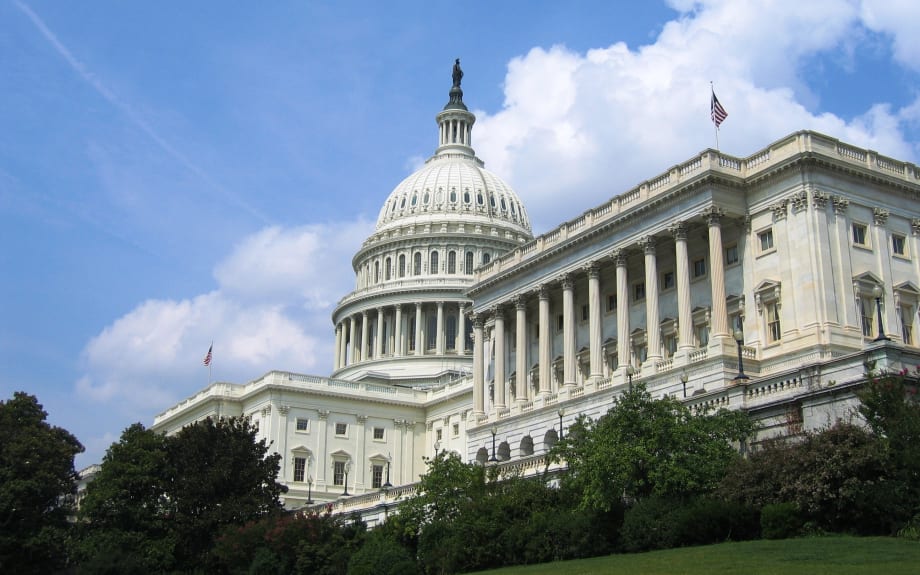

Congress is inching ever closer to the edge of insolvency for the Highway Trust Fund.
On Thursday afternoon the House rejected the Senate’s bill to patch the Fund into December and sent its original bill back to the upper chamber. The vote was 271-149.
Members of the House then prepared to depart for their five-week summer break.
The Senate has until Friday to either accept the House bill that it rejected earlier this week, or let the fund tip into insolvency, risking thousands of highway projects and as many as 700,000 highway construction jobs.
If the Senate does not act, on Friday, August 1, the Department of Transportation will have to start cutting back reimbursements to states for highway projects they have completed.
At issue was a House bill that patches the fund through next May, versus a Senate bill that extends the patch only though December 19.
Senators who pushed the December 19 patch said they wanted to force Congress to act on a long-term highway bill before the end of the year. They rejected the May patch because it increases the likelihood that Congress will default to another short-term extension.
The other major difference between the bills is how they pay for the patch.
The House bill relies on an accounting mechanism called “pension smoothing” to replenish the general treasury. This refers to a temporary lowering of pension funding requirements to increase business profits. Those presumed profits are taxed, producing a presumed increase in government revenue.
A majority of Senators objected to this mechanism and opted for the shorter patch, which does not need “smoothing.”
But the Senate made a $2 billion counting error when it added up the costs of its bill, which gave opponents in the House ammunition in their fight against the Senate version.
Rep. Dave Camp, R-Mich., chairman of the House Ways and Means Committee, said the Senate’s bill actually would get the Highway Trust Fund only to October.
Rep. Earl Blumenauer, D-Ore., who supported the Senate approach, said the mistake could be corrected in a matter of minutes, but Camp said he was certain that, due to the mistake, the Senate would accept the House bill.
Camp also said that he plans to hold a hearing on highway finance before the Ways and Means Committee in September.
More Fleet Management

Why Private Fleets Are Taking More Freight
Private fleets are putting their own trucks on demanding customers and high-cost lanes as companies seek greater control over service, costs, and capacity.
Read More →
Color Match Smarter: Tools That Restore & Perform
For fleet managers and collision repair professionals keeping heavy-duty trucks on the road, getting the color right the first time isn't just about appearance — it's about efficiency, turnaround time, and bottom-line results. Discover how today's digital color tools are transforming the repair process from guesswork to precision.
Read More →
FMCSA Pauses Biennial-Update Enforcement Amid Motus Transition
Carriers whose updates were due on or after June 1 have more time, while FMCSA works to stabilize its new registration system and warns of phishing sites impersonating its new carrier registration system, Motus.
Read More →


2026 Blueprint for Countering Smarter Supply Chain Theft
Cargo theft is no longer just the cost of doing business. It's a multi-billion-dollar criminal enterprise exploiting vulnerabilities across your fleet, drivers, and supply chain.
Read More →
How Telematics Improves Visibility, Control, and Performance in Refrigerated Fleets
Explore how telematics help refrigerated fleets improve visibility, uptime, efficiency, compliance, and cargo protection across connected cold chain operations.
Read More →
What the U.S.-Canada Trade War Means for Trucking
Escalating U.S.-Canada tariffs could disrupt cross-border freight, reduce truck volumes, raise costs, and create new uncertainty for carriers on both sides of the border.
Read More →
What Are Trucking’s Top Concerns for 2026?
The American Transportation Research Institute wants to know what's worrying trucking fleet managers, drivers, and other stakeholders in its annual Industry Issues survey.
Read More →
American Trucking Associations Looks for a New Leader
ATA President and CEO Chris Spear abruptly left his job at the association on August 21, at a pivotal time for the trucking industry.
Read More →
Public Wi-Fi Cybersecurity Risks: How Truck Drivers and Fleets Can Protect Their Data
Public Wi-Fi can expose truck drivers and fleets to credential theft, malware, and other cyber threats. Here’s how to reduce the risk on the road.
Read More →
For Nicky Cupp, Fleet Innovation Starts With Frustration
HDT Truck Fleet Innovator Nicky Cupp turns everyday pain points at Fraley & Schilling into opportunities for better technology and smarter processes.
Read More →