




Canadian Truckers Slam Increasing U.S. Border Fees
Canadian truckers have blasted a U.S. proposal that would greatly hike some fees at the border. The fleet group, the Canadian Trucking Alliance, says it strongly objects to a proposal from the U.S. Department of Agriculture to substantially raise the Animal Plant and Health Inspection Service fees.
Canadian truckers have blasted a U.S. proposal that would greatly hike some fees at the border.
The fleet group, the Canadian Trucking Alliance, says it strongly objects to a proposal from the U.S. Department of Agriculture to substantially raise the Animal Plant and Health Inspection Service fees.
In filing comments in response to the USDA’s Notice of Proposed Rulemaking, CTA said it acknowledges “the government of the United States of America has every right to protect its food supply and agricultural industries and communities from insects and pests imported with food shipments,” but “strongly objects to the way in which the APHIS program is administered, applied and funded.”
According to CTA, the APHIS program exacts a heavy toll on all U.S.-Canada trade. APHIS fees are applied to all trucks crossing the border, regardless of whether the goods being imported are food and agriculture-related or not, or whether the trailer is loaded or empty. It also claims APHIS uses a risk assessment approach, thereby eroding the return on investment carriers have made to comply with binational trusted trader programs.
CTA cited the example of auto parts moving back and forth across the border on plastic pallets, which are subject to the APHIS fees. “What possible threat does that pose?” The group asked. “What possible rationale can legitimize imposing APHIS fees on those shipments?”
CTA pointed out that advance cargo information, which is now required under e-Manifest, provides a mechanism where carriers could indicate whether the commodity is being transported on wood pallets, enabling APHIS to better target conveyances where risk is present. “Goods that present no risk should not be subject to APHIS fees, CTA said”
The group believes the fees may be illegal under the North American Free Trade Agreement, which prohibits customs user fees, and the General Agreement on Tariffs and Trade, which says that all fees and charges shall not represent an indirect protection to domestic products or a taxation of imports or exports for fiscal purposes.
According to APHIS, the fees are meant to fully fund the actual costs of running the Agricultural Quarantine Inspection program and be borne by those using the services. It claims current revenue from fees charged has been insufficient to cover all costs. Under the plan, transponder fees would increase from $105 to $320 per year, per truck, a 205% increase. Including the $100 CBP portion, the total cost would be $420 per truck. Trucks without a transponder will see an increase from $10.75 to $13.50 per crossing, or 52%.
Since there is no thought to gradually introducing the increases over time, it will be next to impossible for motor carriers, who operate under very tight margins, to pass any reasonable portion of the increased costs along to the customer, said CTA in a release. “The lack of consideration to the realities of the industry is shocking.”
More Fleet Management
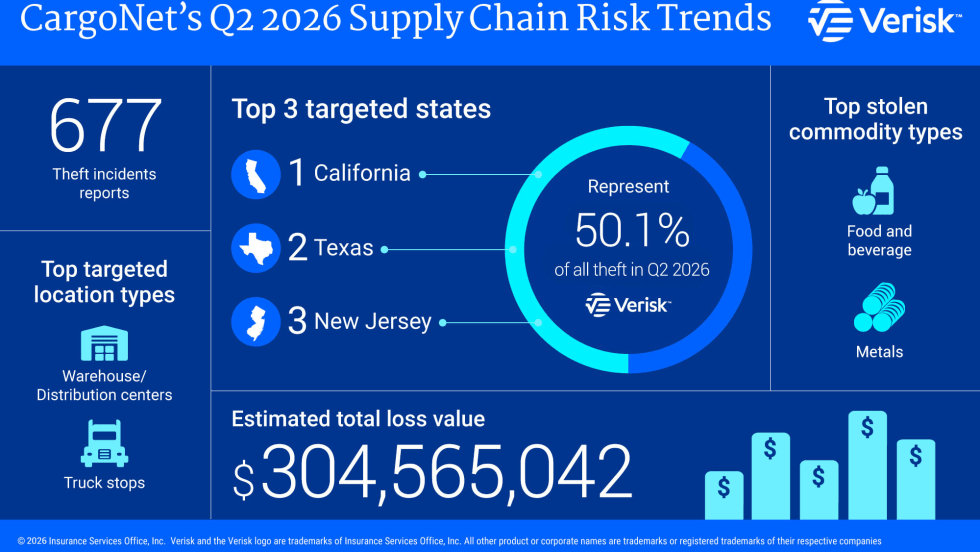
Fewer Cargo Thefts, Bigger Losses: Criminals Target Higher-Value Loads
CargoNet says organized theft rings are stealing fewer shipments but choosing more valuable freight, including metals and technology, resulting in record losses.
Read More →
How Innovative Trucking Leaders Turn Change Into an Advantage
As the pace of change accelerates in trucking, the fleets that adapt best have more than the latest technology. They have cultures that embrace improvement.
Read More →
Freight Broker Bonds Just Got Harder to Get. Here's What That Means for Your Fleet.
When it gets harder for a freight broker to prove they are financially sound, the ones who cannot clear that bar get pushed out of the market. And those are exactly the brokers who used to leave motor carriers holding the bag.
Read More →
Long-Awaited Canadian Border Bridge to Open in Detroit
For trucking, the bridge opening should offer immediate improvements in efficiency and reliability, with new customs facilities, expanded inspection capacity, and direct freeway-to-freeway connections.
Read More →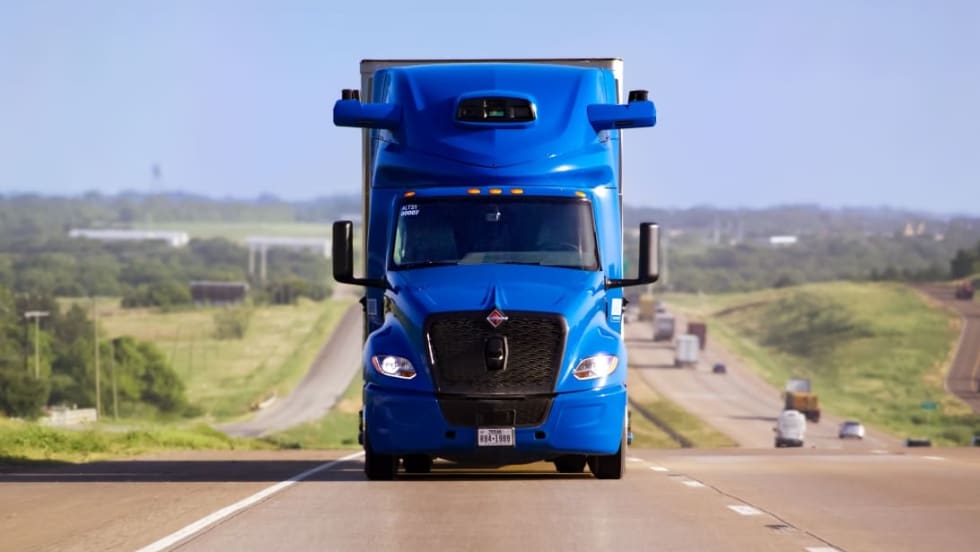
Aurora Rolls Out Next Generation of Driverless Trucks for Commercial Freight
Aurora's latest autonomous trucks it's rolling out with International feature lower-cost hardware designed for a million miles as the company expands commercial driverless freight operations across the U.S. Sun Belt.
Read More →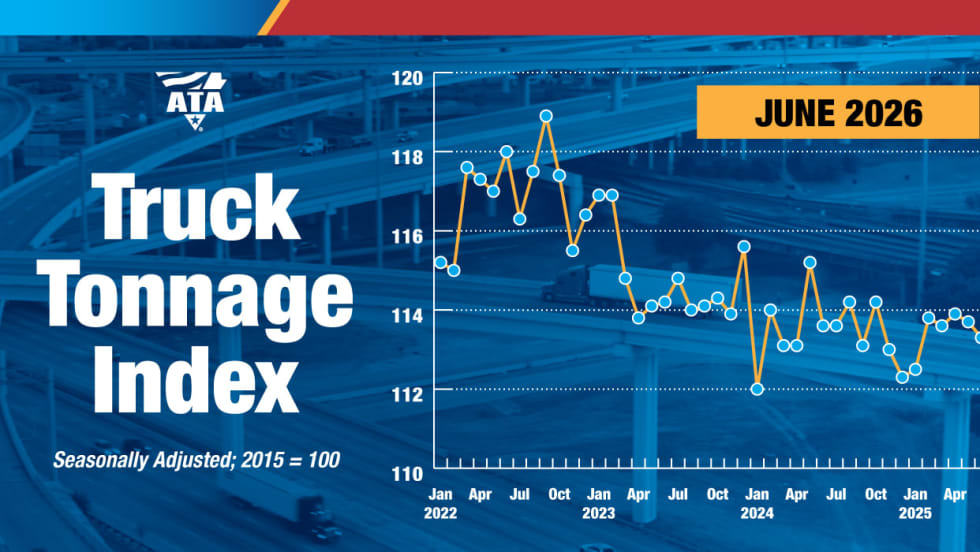
Freight Tonnage Down, Rates up, as Lower Capacity Powers Trucking Recovery
The recovery from the freight recession continues to be driven by reduction in capacity rather than by increased demand.
Read More →
Think Your Trucking Fleet Isn't Using Much AI? Think Again
Shadow AI — the use of unauthorized artificial intelligence tools at work — is becoming increasingly common, putting sensitive company data at risk. Learn how trucking fleets can protect sensitive data while embracing AI.
Read More →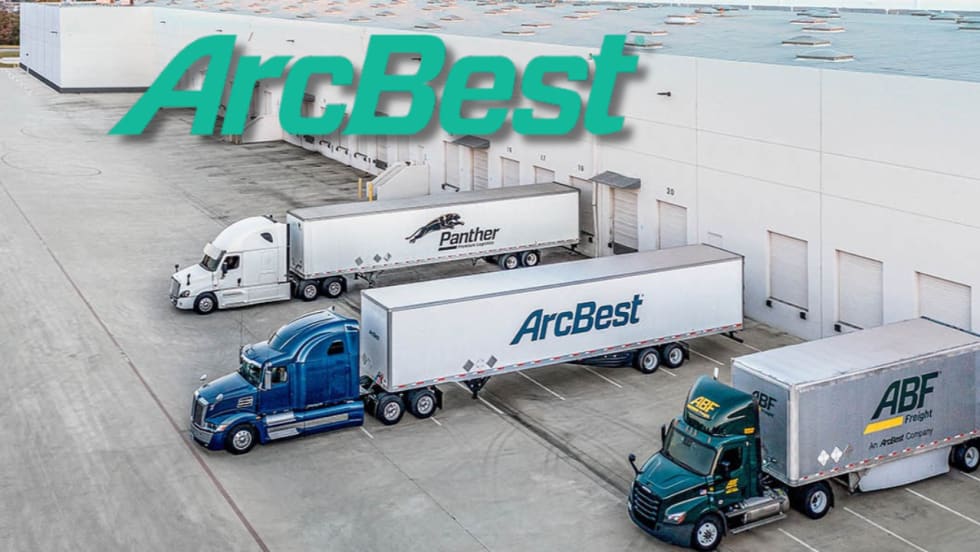
ArcBest Consolidates Brands, Cuts Workforce
The company will bring three business units under the ArcBest brand, eliminate about 2% of positions, and expects the changes to generate $40 million in annual savings.
Read More →
Trucking Fleets Faced Record Operating Costs During Third Year of Freight Recession
ATRI's annual operational cost report shows carriers trimmed fleets, delayed equipment purchases, and ran older trucks as expenses continued to outpace freight rates.
Read More →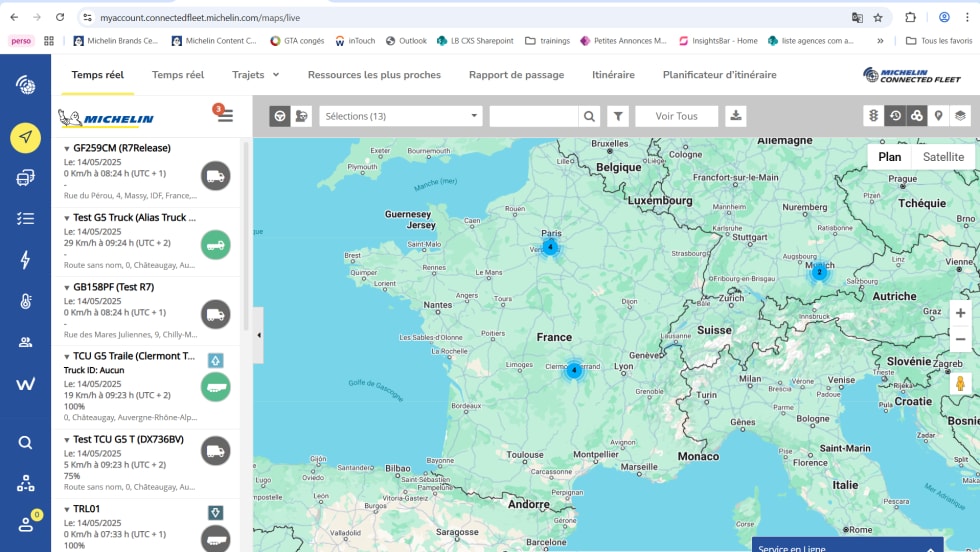
Michelin Adds AI Assistant to MyConnectedFleet Platform
Michelin’s new generative AI tool delivers instant fleet insights, helping managers analyze fuel use, tire maintenance, vehicle status, and operational performance without manually creating reports.
Read More →