




EPA Announces Funding to Clean Up Diesel Engines Nationwide
The U.S. Environmental Protection Agency has made $9 million in grant funding available for clean diesel projects to reduce diesel pollution and emissions exposure from the nation's existing fleet of diesel engines.


The U.S. Environmental Protection Agency has made $9 million in grant funding available for clean diesel projects to reduce diesel pollution and emissions exposure from the nation's existing fleet of diesel engines.
The funding comes from EPA’s Diesel Emission Reduction Program, targeting what the agency says are “the most cost-effective projects and fleets operating in areas designated as poor air quality areas.”
Under this funding, EPA anticipates awarding between 10 and 20 assistance agreements.
Various strategies are eligible for achieving diesel emission reductions, such as installing verified exhaust control and idle reduction devices, and vehicle and engine replacement. Projects may include school buses, transit buses, heavy-duty diesel trucks, marine engines, locomotives, and other diesel engines.
EPA claims since the start of the DERA program in 2008, it has improved air quality and provided critical health benefits by reducing hundreds of thousands of tons of air pollution and saving millions of gallons of fuel. EPA estimates that clean diesel funding generates up to $13 of public health benefit for every $1 spent on diesel projects.
EPA says it has awarded over 600 DERA grants across the U.S. and reduced more than 250,000 tons of nitrogen oxides and more than 14,000 tons of particulate matter. Many of these projects fund cleaner diesel engines that operate in economically disadvantaged communities whose residents suffer from higher-than-average instances of asthma, heart, and lung disease, according to the agency.
The closing date for receipt of proposals is June 17.
More information and to access the request for proposals and other documents is on the EPA website.
More Fuel Smarts
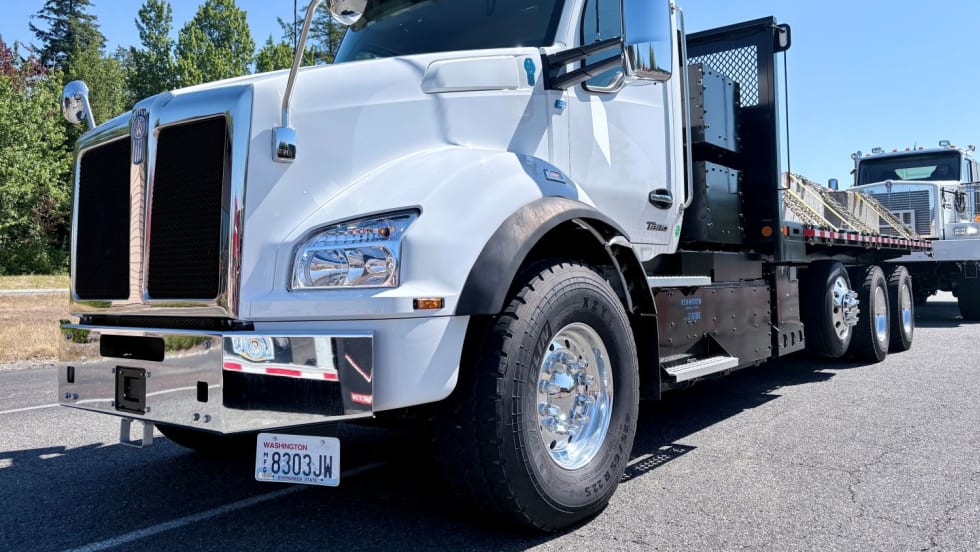
Kenworth T880E Brings EV Power to Vocational Trucks
A closer look at the Kenworth T880E’s range, charging, powertrain and upfit options — and where fleets are showing the most interest.
Read More →
Jennie Abarca Is Proving Electric Trucks Can Do the Job
HDT Truck Fleet Innovator Jennie Abarca is building confidence in fleet electrification one load at a time while openly sharing the challenges she encounters along the way as a small-fleet owner.
Read More →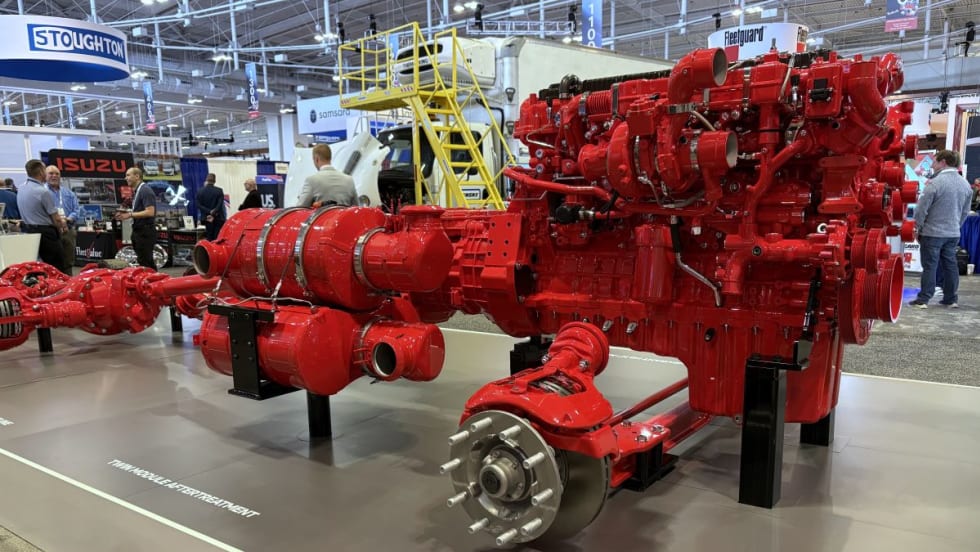
Cummins Adjusts 2027 Engine Rollout After EPA Proposal
The engine maker will gradually introduce its new Model Year 2027 diesel engines while continuing to offer current models during the transition, citing the EPA's proposed emissions rule changes.
Read More →
EPA Proposal Could Ease 2027 Truck Costs and Buying Uncertainty
The proposal doesn't change the tougher NOx standard, but it would revise key implementation requirements that manufacturers say have driven up costs and complicated fleet purchasing decisions.
Read More →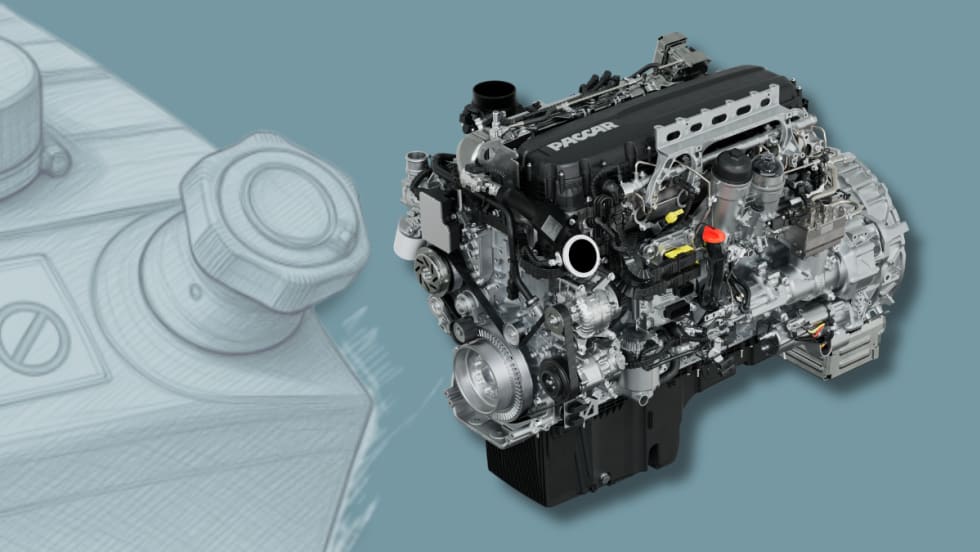
Cummins, Paccar Ease DEF Derates After EPA Guidance
Updated diesel engine software gives truck operators more time to address emissions-system issues while staying compliant with EPA emissions standards.
Read More →
Maintenance in the Messy Middle Part 3: Biodiesel
Biodiesel can reduce emissions, improve fuel-system lubricity and use existing diesel infrastructure. But NACFE’s Messy Middle maintenance report says fleets must actively manage storage, cold-weather operation, filters and oil drain intervals to avoid problems.
Read More →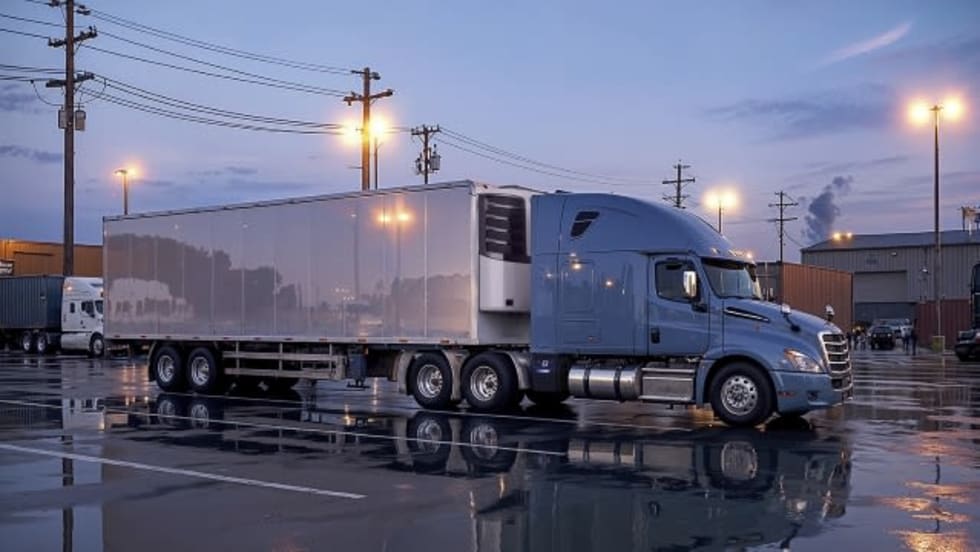
Enhance Fleet Performance with High-Efficiency Auxiliary Power Units
Drive sustainable cost savings while increasing driver comfort during short- and long-haul logistics operations.
Read More →
Maintenance in the ‘Messy Middle’ Part 2: Renewable Diesel Fuel
NACFE's latest Messy Middle Powertrain Service & Maintenance report says renewable diesel gives fleets an opportunity to reduce carbon emissions without changing trucks, fueling infrastructure or maintenance practices. But technicians still need to understand several important operational differences.
Read More →
The Diesel Engine Enters NACFE’s ‘Messy Middle’
NACFE’s new Messy Middle Powertrain Service & Maintenance report says keeping modern diesel engines running now depends as much on software, diagnostics and data as traditional mechanical service.
Read More →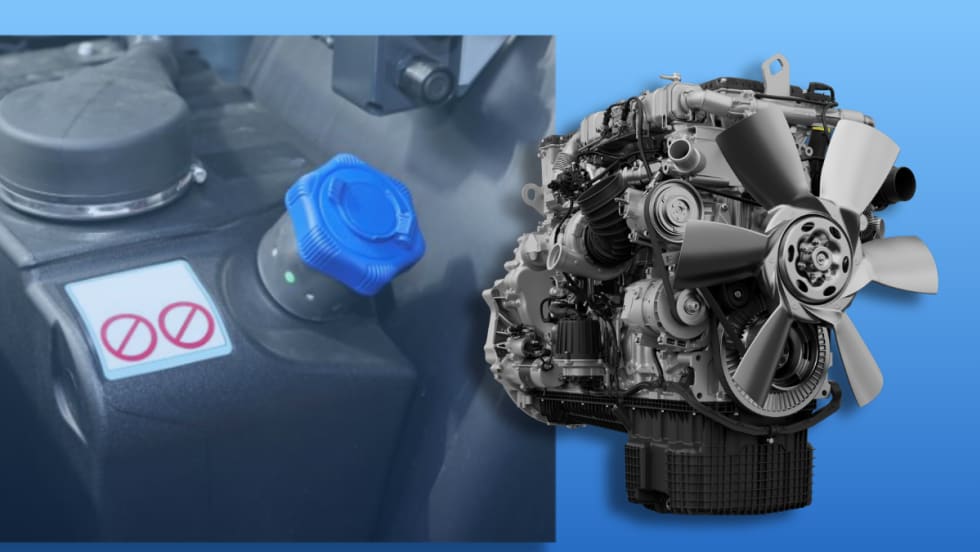
DTNA Software Update Gives Truckers More Time Before DEF Derates Take Effect
The changes reflect EPA guidance aimed at reducing downtime caused by emissions-system faults while maintaining compliance requirements.
Read More →