




Senators Agree on Highway Bill Principles
A bipartisan group of Senators has agreed on the outline of bill to reauthorize the federal highway program. The terms of the deal cover policy principles such as a long-term bill and maintaining existing programs but they do not cover the key question of how to pay for the program.

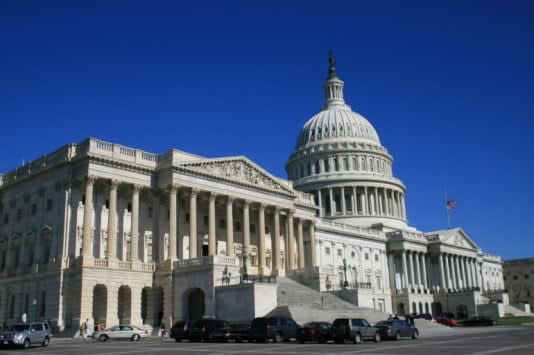
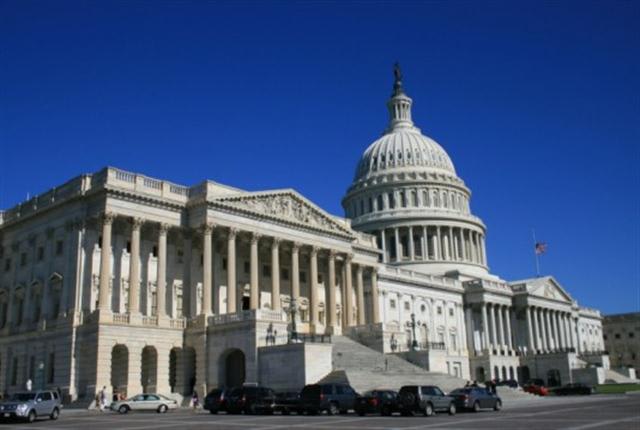
A bipartisan group of Senators has agreed on the outline of bill to reauthorize the federal highway program.
The terms of the deal cover policy principles such as a long-term bill and maintaining existing programs but they do not cover the key question of how to pay for the program.
Sen. Barbara Boxer, D-Calif., chair of the Environment and Public Works Committee, announced the deal on Thursday and said the committee will act on the bill when it returns from recess the last week of April.
Joining Boxer in the announcement were Sens. David Vitter, R-La., the ranking member of the committee, Thomas Carper, D-Del., and John Barrasso, R-Wyoming.
Boxer spelled out the principles included in the deal.
The bill should cover a longer term than the current two-year program – up to six years, reflecting the strong desire of highway users and planners for an extended, predictable program.
It should maintain current formulas for core programs.
It should promote fiscal responsibility by keeping current levels of funding, plus inflation.
It should expand opportunities for rural areas.
It should continue efforts to leverage local resources for projects.
It should require better information sharing on federal grants.
Congress is under pressure to act quickly. The Highway Trust Fund, the source of federal funding for highways, is going to run into the red within the next six months, perhaps as soon as August.
“The reason the four of us are standing here is to send a strong signal to this country that we, as leaders of this Committee, have worked across party lines to act before the Highway Trust Fund cannot pay its bills,” Boxer said.
The Environment and Public Works Committee is responsible for the main policy content of the bill, but other key areas must be handled by other committees.
The all-important matter of funding is the jurisdiction of the Finance Committee.
“(Finance) has to figure out how to pay for this six-year bill,” said Vitter. “EPW has an easier role.”
Also involved are the Commerce Committee, which writes the safety title of the bill, and the Banking Committee, which is responsible for transit.
On the House side, the Transportation and Infrastructure Committee is holding hearings in preparation for drafting a bill by summer.
More Fleet Management

How Better Freight Data Helps Trucking Teams Get Ahead of Disruption
Trucking and logistics teams have plenty of data. The problem is getting the right information in front of the right people soon enough to act. Better-connected data can help teams spot trouble earlier and make smarter decisions before small problems become big ones.
Read More →
Trimble: Taking Artificial Intelligence in Trucking Beyond Faster Tasks
At Insight 2026, Trimble executives argued that fleets may need to redesign workflows to get more from AI as it introduced new products and enhancements. AI’s value will depend on how fleets combine automation with their people's knowledge.
Read More →
Nominations Open for HDT Emerging Leaders
Heavy Duty Trucking is looking for accomplished trucking fleet professionals under 40 who are making an impact and helping lead the industry forward.
Read More →


Why Private Fleets Are Taking More Freight
Private fleets are putting their own trucks on demanding customers and high-cost lanes as companies seek greater control over service, costs, and capacity.
Read More →
Color Match Smarter: Tools That Restore & Perform
For fleet managers and collision repair professionals keeping heavy-duty trucks on the road, getting the color right the first time isn't just about appearance — it's about efficiency, turnaround time, and bottom-line results. Discover how today's digital color tools are transforming the repair process from guesswork to precision.
Read More →
FMCSA Pauses Biennial-Update Enforcement Amid Motus Transition
Carriers whose updates were due on or after June 1 have more time, while FMCSA works to stabilize its new registration system and warns of phishing sites impersonating its new carrier registration system, Motus.
Read More →
2026 Blueprint for Countering Smarter Supply Chain Theft
Cargo theft is no longer just the cost of doing business. It's a multi-billion-dollar criminal enterprise exploiting vulnerabilities across your fleet, drivers, and supply chain.
Read More →
How Telematics Improves Visibility, Control, and Performance in Refrigerated Fleets
Explore how telematics help refrigerated fleets improve visibility, uptime, efficiency, compliance, and cargo protection across connected cold chain operations.
Read More →
What the U.S.-Canada Trade War Means for Trucking
Escalating U.S.-Canada tariffs could disrupt cross-border freight, reduce truck volumes, raise costs, and create new uncertainty for carriers on both sides of the border.
Read More →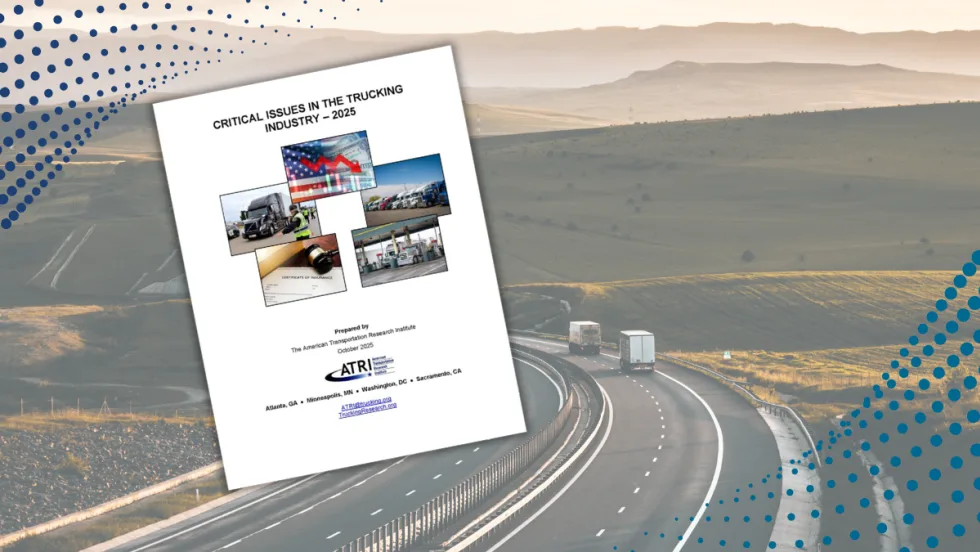
What Are Trucking’s Top Concerns for 2026?
The American Transportation Research Institute wants to know what's worrying trucking fleet managers, drivers, and other stakeholders in its annual Industry Issues survey.
Read More →