




Food Safety Rules Could Create Headaches for Carriers
Fleets that haul food products should take a proactive approach with their food service clients to ensure a smooth implementation of rules governing the transport of foods under the Food Safety Modernization Act, signed into law in 2011.

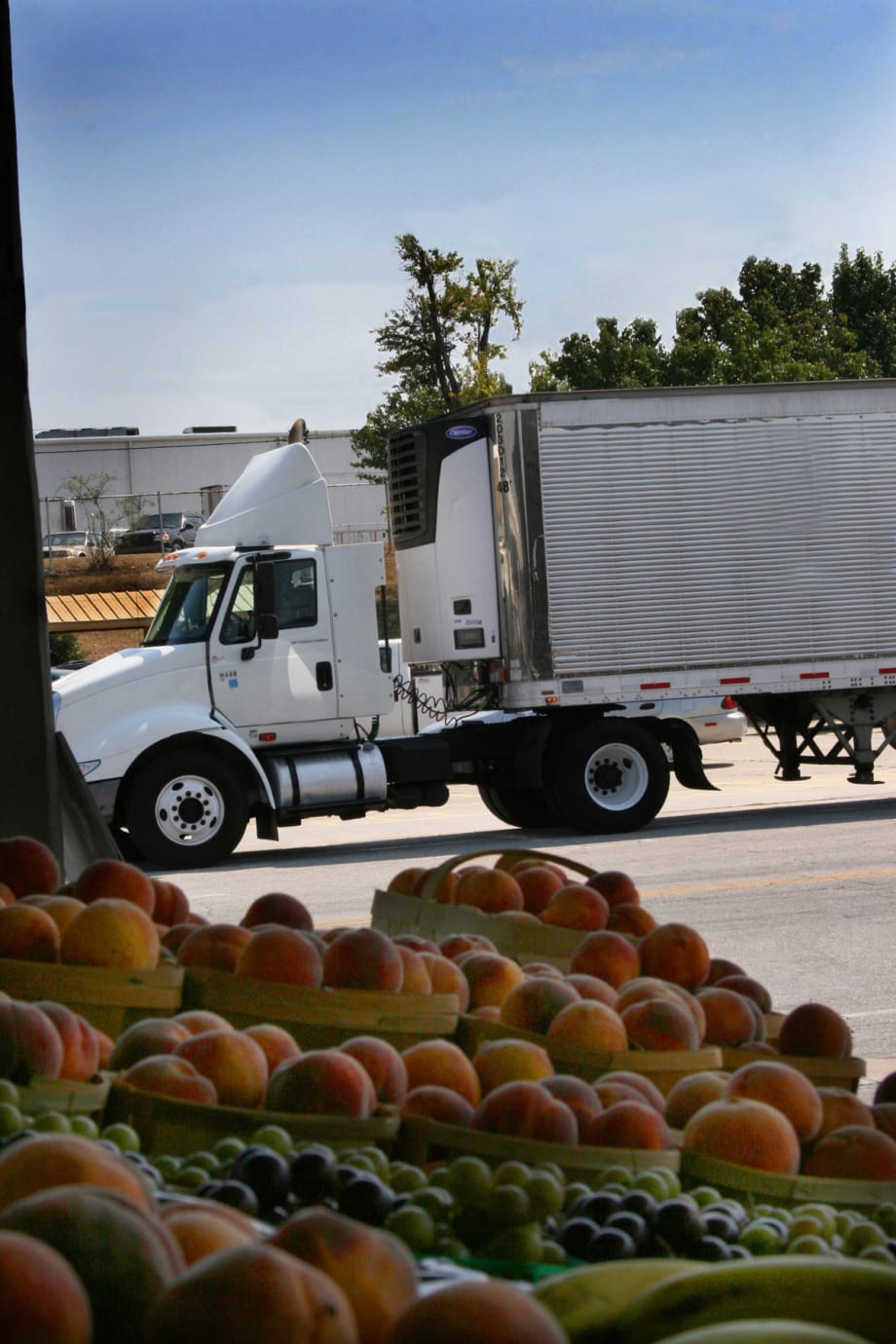

Fleets that haul food products should take a proactive approach with their food service clients to ensure a smooth implementation of rules governing the transport of foods under the Food Safety Modernization Act, signed into law in 2011.
The FSMA empowers the Food and Drug Administration to promulgate various rules designed to ensure the safety of the country’s food supply. According to Bud Rodowick, manager fleet performance, Thermo-King, the act is “the most expansive change to food safety laws since 1938” that gives sweeping new powers to the FDA.
Speaking during a forum on the law at the Truckload Carriers Association annual convention in Grapevine, Texas, last month, he said the law will allow the FDA “to start sending people to jail for violations.”
A key point, as far as carriers go, is that the law places the primary responsibility on food producers and processors, not carriers.
Where carriers come in, however, is that the law requires a rule on the sanitary transport of food and for producers and processors to maintain a food safety plan for food products which will include information on transportation, storage and distribution. The plan must also contain information on sanitation practices, including employee hygiene and other factors.
“You need to be proactive and get out front” on this, Rodowick said. “Find out where your shippers are in developing their plans and work with them.”
Carriers will have responsibilities under the Sanitary Transportation of Food rule, with that final rule expected to be published in 2016.
That proposed rule would require those who transport food to use sanitary transportation practices to ensure the safety of food. It will also establish criteria and practices for training, and record-keeping related to transporting food.
With some exceptions, the sanitary transport of food rule would apply to shippers, receivers, and carriers who transport food in the United States by motor vehicle or rail, whether or not the food is offered for or enters interstate commerce. It also applies to entities/persons outside the U.S., such as an exporter, who ships food to the United States in a container either by sea or air and arranges for the transfer of the container onto a truck or a rail car for transportation in the U.S.
Under the proposed rule, such a person or entity would be considered a shipper.
The rule contains specific criteria for the design and maintenance of vehicles and trailers to prevent contamination during transport. It also includes measures to ensure food is not contaminated during shipping, i.e., adequate temperature controls and separation of food items from non-food items in the same load.
The proposed rule also establishes procedures for exchanging information between carriers and shippers on prior cargos, cleaning of the equipment, temperature control between the shipper, carrier and receiver.
The proposed rule also will require carrier personnel involved in transporting food to be trained in sanitary transportation practices and for carriers to maintain documentation of the training.
Record-keeping will be required on maintenance of written procedures, equipment cleaning, prior cargos and temperature control.
Tracing the Freight
Product-tracing rules will be established for so-called “high-risk foods.” The FDA has not published a list of these foods, as the details on which foods are high-risk are still being hammered out, Rodowick said. He also noted that the agency will not recommend specific systems or software for tracing these foods. “At this stage, they’ll just want to see your tracing plan.”
John Penizotto, executive director business development, International Telematics, said much of the technology required to meet the record-keeping and tracing requirements in the proposed rule are already available. “The government won’t dictate how these records are kept,” he noted. He said some solutions might include:
Data loggers, as drivers may need to prove a load maintained proper temperature through the whole shipment.
Strip chart temperature records
Reefer OEM microprocessor data recorders.
GPS systems with temperature probes which would show a dot on a map with the temperature recorded.
One-way telematics systems that connects to the reefer’s microprocessor.
Two-way telematics systems that would allow fleet managers to control reefer operations remotely.
The FDA said the proposed rule would cover an estimated 83,609 businesses, including carriers that haul food and the facilities that ship food. The agency estimates the first year cost would be $149.1 million or an average of $1,784 per business with on-going annual costs at $30 million, or $360 per business.
The proposed rule on sanitary transportation of food can be found online at https://www.federalregister.gov/articles/2014/02/05/2014-02188/sanitary-transportation-of-human-and-animal-food#h-17. Comments are being accepted on the rule until May 30, 2014.
More Fleet Management
What Trucking Events are Happening in 2026?
Looking for trucking-related conventions, expos, and other events? Heavy Duty Trucking has developed this list of national and larger regional trucking shows and events.
Read More →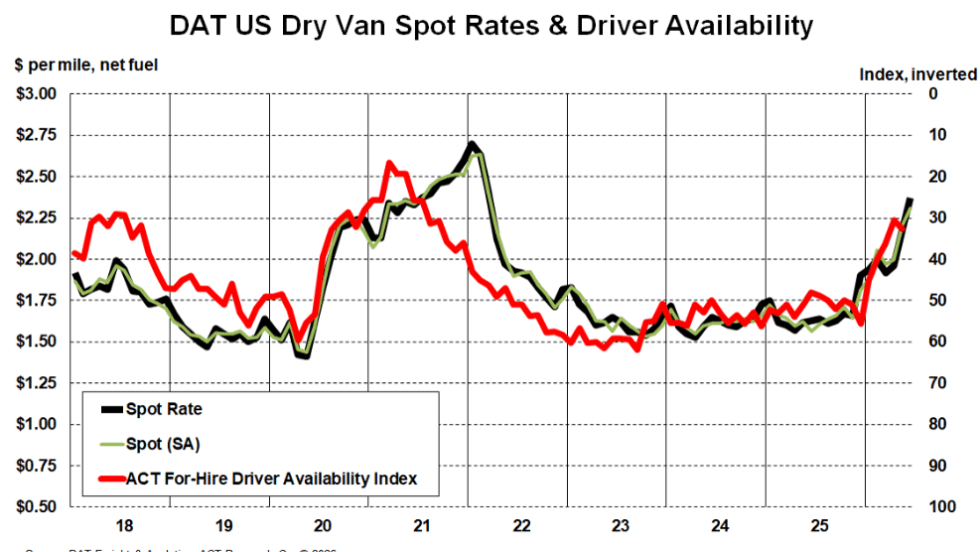
Truckload Rates Keep Rising as Tight Capacity Fuels Freight Market Recovery
Spot and contract rates continued climbing in May and June, not because freight demand is surging, but because fewer trucks and drivers are available.
Read More →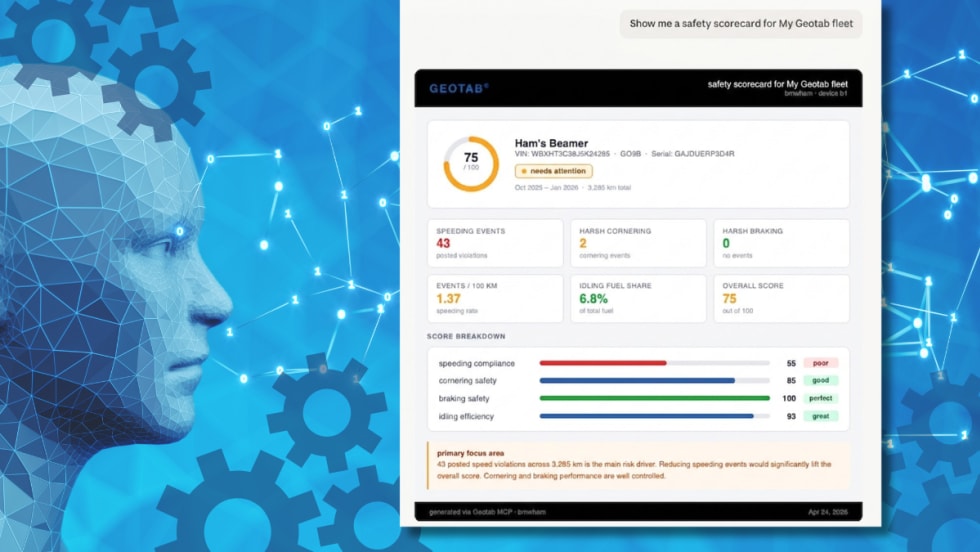
What Geotab's New AI Connector Means for Fleets
Fleets can now ask their usual AI assistants questions about maintenance, safety, fuel use, and vehicle performance, using their live Geotab data, and take action on the answers without leaving their preferred AI tool.
Read More →
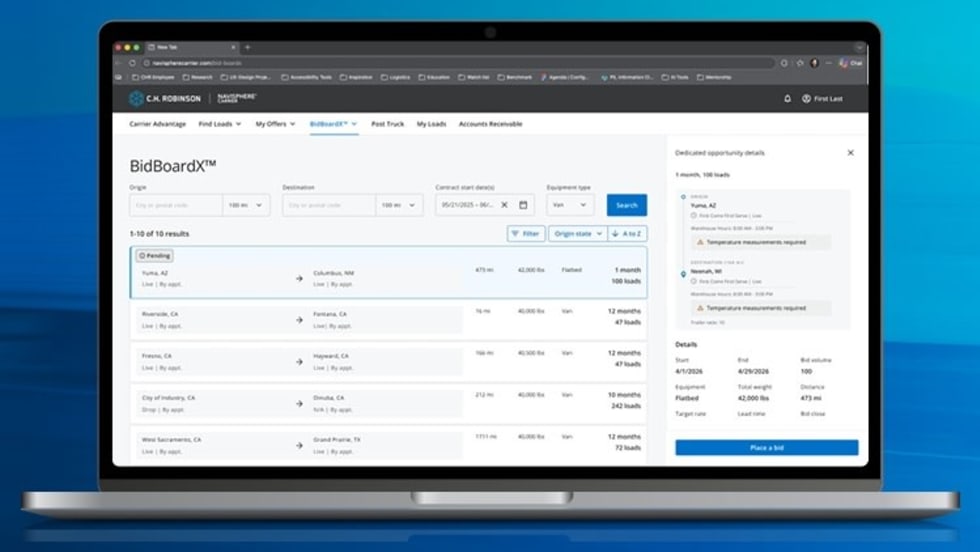
New C.H. Robinson Tool Opens Door to More Predictable Freight
BidBoardX lets carriers search, bid on, and secure committed freight opportunities through a single digital marketplace.
Read More →
New York City's Microhub Project is Delivering Results
Trucking, last-mile delivery companies, and environmental advocates like what they are seeing so far with New York's microhub program.
Read More →
Why Truck Detention Keeps Costing Fleets Time and Money
A 2024 ATRI study found detention affects nearly 40% of truckload stops and costs the industry more than $15 billion annually. Despite the toll on drivers, fleets, and supply chains, the problem remains stubbornly persistent.
Read More →
Time is Running Out to Apply for Exclusive HDT Event
Heavy Duty Trucking Exchange brings fleet managers and suppliers together for the deeper conversations that lead to ideas, partnerships, and solutions. Time is running out to apply for the September event.
Read More →
Amazon Launches Less-Than-Truckload Freight Offering for All Businesses
This launch is the latest addition to Amazon Supply Chain Services, a portfolio of supply chain capabilities from Amazon, including freight, distribution, fulfillment, and parcel shipping.
Read More →
Import Cargo Volume to See Year-Over-Year Gain Again in June, Then Remain Below 2025 Levels Into Fall
After July, the report predicts a weakening in import volume as consumer uncertainty remains high and the impact of increasing inflation takes its toll.
Read More →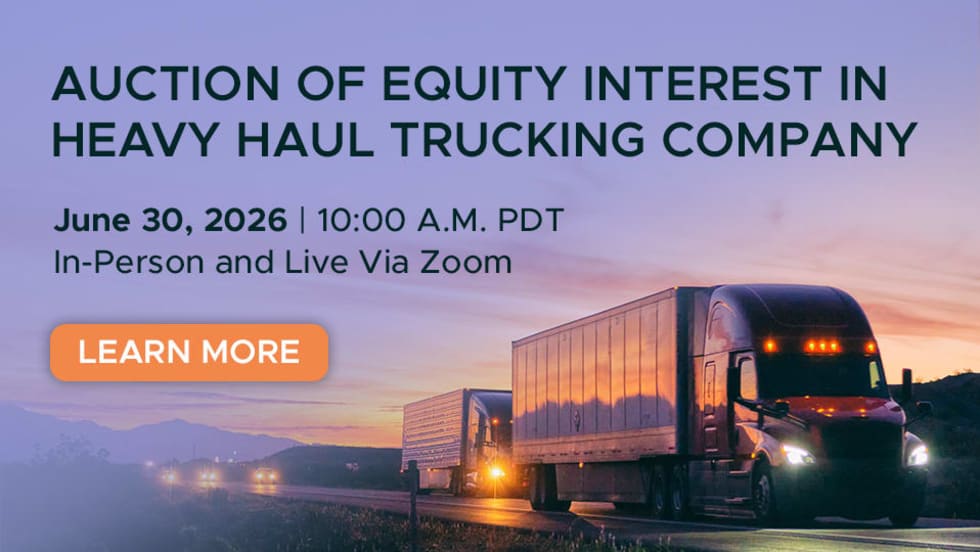
AUCTION OF EQUITY INTEREST IN HEAVY HAUL TRUCKING COMPANY!!
Mark your calendar: June 30, 2026 (10:00 a.m. PDT). A 37.5% ownership interest in MagnaTrans, LLC, a California limited liability company doing business as Magna Transportation Group, will be sold in an in-person and online auction to the highest bidder or bidders under Article 9 of the Uniform Commercial Code. The Rancho Cucamonga-based heavy haul and over-dimensional trucking company operates across California, Oregon, and Arizona.
Read More →