




Trucking and Others Renew Fight Against Tolls
Businesses and organizations from numerous sectors of the U.S. economy, including in trucking, have renewed their efforts opposing tolls on existing federal interstates.

Photo: Somerset toll booth, Pennsylvania turnpike, by Doug Kerr, via Wikimedia Commons.
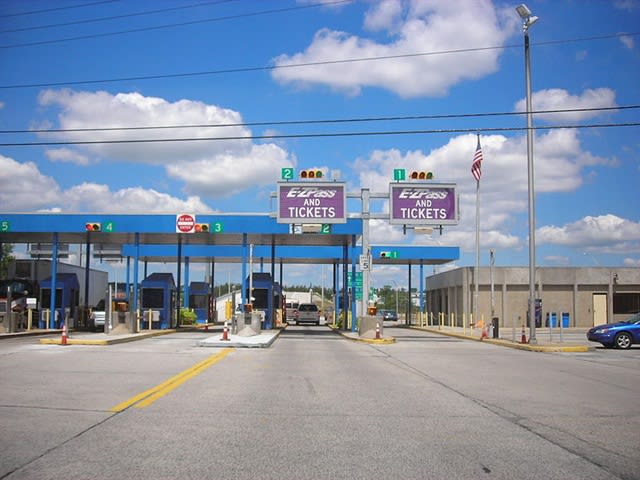
Photo: Somerset toll booth, Pennsylvania turnpike, by Doug Kerr, via Wikimedia Commons.
Businesses and organizations from numerous sectors of the U.S. economy, including trucking, have renewed their efforts opposing tolls on existing federal interstates.
The lobby group, the Alliance for Toll-Free Interstates, says it is “focused on educating the public and policymakers about the negative impact that tolling existing interstates will have on citizens, businesses, and the U.S. economy.” As part of the announcement, the group released a video explaining its position on the issue.
Many businesses are concerned that tolls on existing interstates will impact their bottom line, especially establishments that serve customers traveling the interstate, according to a release from the coalition.
“Since its inception, The Federal Interstate Highway System has facilitated unrestricted commerce and travel throughout the country. It is vital to the U.S. supply chain and has revolutionized the way America does business,” said Jay Perron, ATFI member and vice president of government affairs and public policy for the International Franchise Association. “Tolling existing interstates would reverse this progress, raising costs for travelers, businesses, and consumers, and harming the many businesses and communities located along interstate routes subject to new tolls.”
Logistics companies such as Old Dominion Freight Line are concerned about the increased business cost of tolling existing interstate lanes.
“The creation of the federal highway system opened an avenue of commerce never before seen in the U.S. This concept of unrestricted movement is a pillar of the modern economy,” said Bill Cranfill, general counsel for Old Dominion Freight Line and member of ATFI. “We support increased funding for highways but oppose tolls on current federal interstate capacity. Tolls are an inefficient method of funding, would increase the cost of moving goods, and would decrease efficiency by pushing interstate traffic onto less safe and slower local roads.”
While federal law prohibits tolls on existing Interstate highway lanes, a federal pilot program allows three states to place tolls on existing lanes within their borders, but not one has implemented tolling under the program.
ATFI is calling on Congress to repeal the pilot program claiming since it was created, numerous states have spent millions of dollars seeking Federal Highway Administration approval to participate, but have yet to set up a tolling program due to public opposition.
Congress is debating long-term transportation funding as states look for additional revenue, with some calling for lawmakers to change federal law allowing tolls along existing Interstate routes. President Obama released his plan on Wednesday.
ATFI claims numerous studies analyzing the impacts of tolling existing interstate lanes have found that “tolls create significant traffic diversion onto secondary roads, carry an astronomically high cost to administer and hurt the local and regional economies surrounding the toll facilities.”
ATFI currently has over 100 members nationwide including: the American Trucking Associations, FedEx, NATSO, Specialized Carriers & Rigging Association, Truckload Carriers Association and UPS.
More Fleet Management
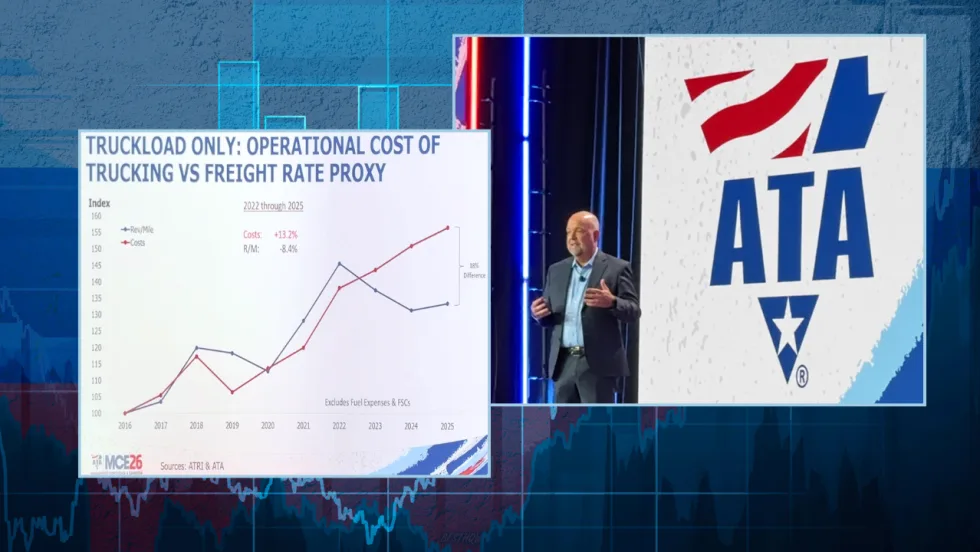
Why This Trucking Recovery Is Different
Freight demand remains sluggish, but rising costs and tougher enforcement have taken enough capacity out of the market to change the outlook for motor carriers.
Read More →
Platform Science Adds Dispatch and Safety Tools
Four additions to PS Fleet help fleets monitor loads, manage driver coaching, share truck locations and adjust video system settings.
Read More →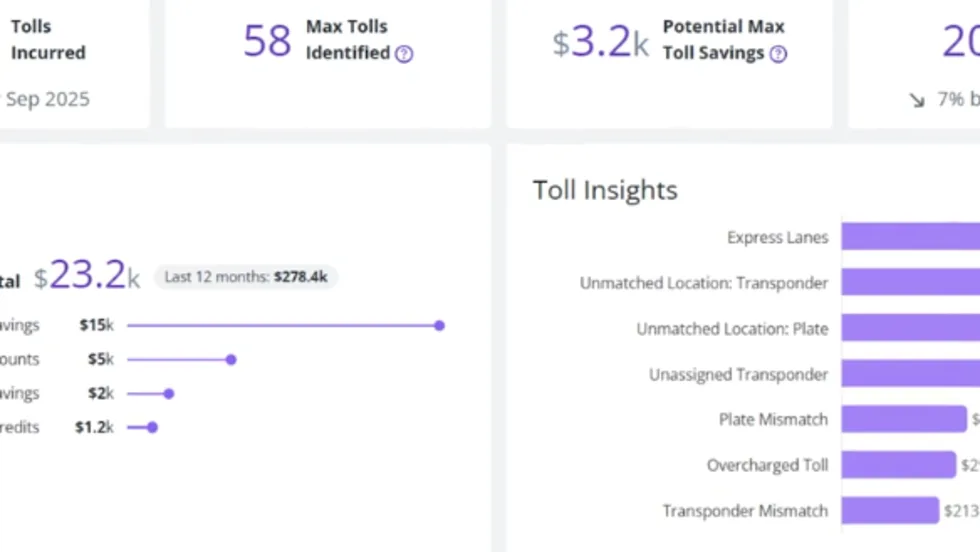
PrePass Intelligence Mines Fleet Bypass, Toll and Safety Data
PrePass Intelligence helps fleets measure bypass savings, flag potential toll overcharges, and spot suspicious transactions by combining data from separate systems.
Read More →
Motive Adds AI Agents for Fleet Operations
New tools automate follow-up on fleet data, from maintenance work orders to driver alerts, with two-way voice conversations planned for later this year.
Read More →
Can You Beat Our Trucking Trivia Challenge?
Test your truck knowledge with 19 trivia questions from Heavy Duty Trucking Exchange. Can you keep up with the fleet pros?
Read More →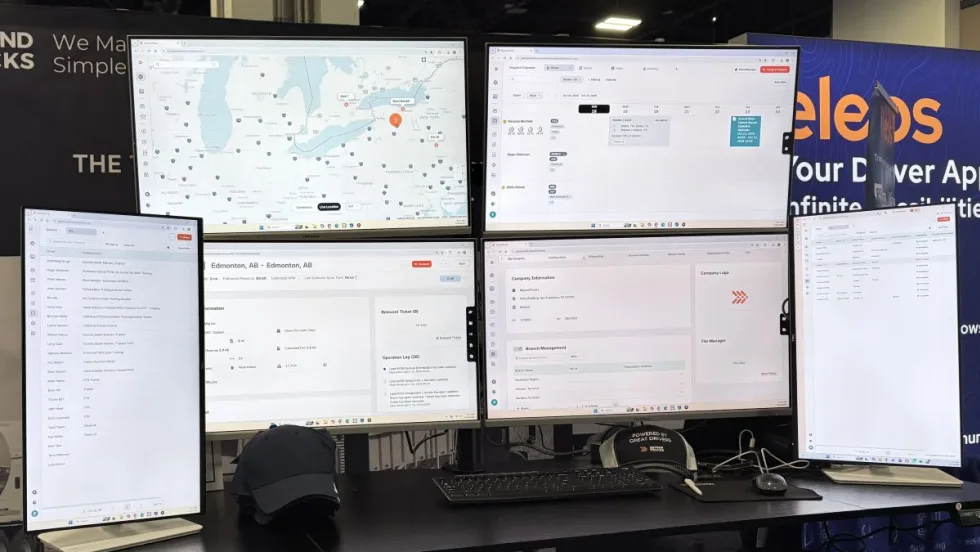
BeyondTrucks Adds Rules Checks to Dispatch
New Compatibility Engine checks driver qualifications, equipment requirements and fleet policies before loads are dispatched.
Read More →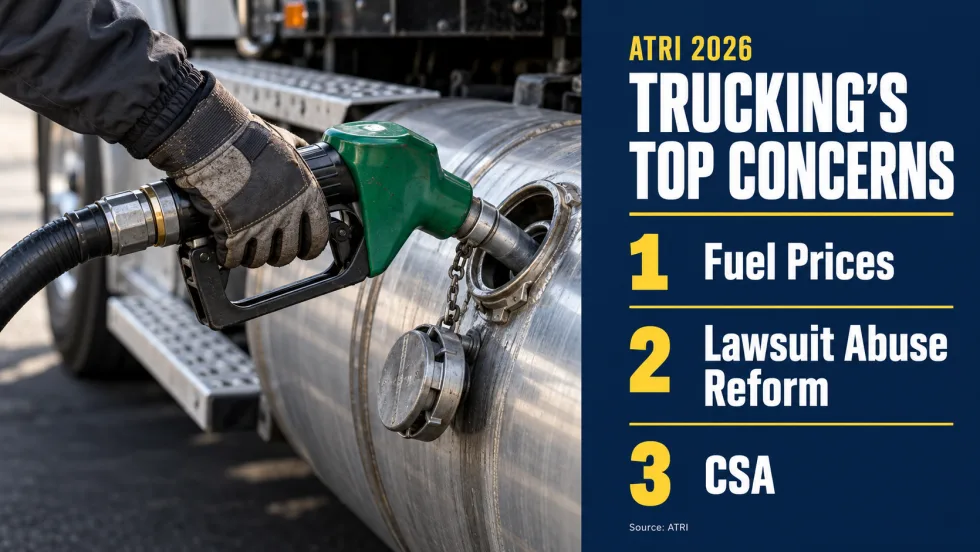
Diesel Prices Hijack Trucking’s Worry List
ATRI’s annual survey finds cautious optimism about freight, but diesel costs, litigation, and insurance continue to squeeze fleets. Drivers have different priorities on several issues.
Read More →
Nomination Deadline Extended for HDT Emerging Leaders
Just a few more days to nominate accomplished trucking fleet professionals under 40 who are making an impact and helping lead the industry forward for the HDT Emerging Leaders award. Deadline extended to October 20!
Read More →
What Will ATA’s New Leader Bring to Trucking's Table?
Incoming President and CEO Mark Colson’s record in Alabama offers clues about his priorities and approach following Chris Spear’s abrupt departure as the head of the American Trucking Associations.
Read More →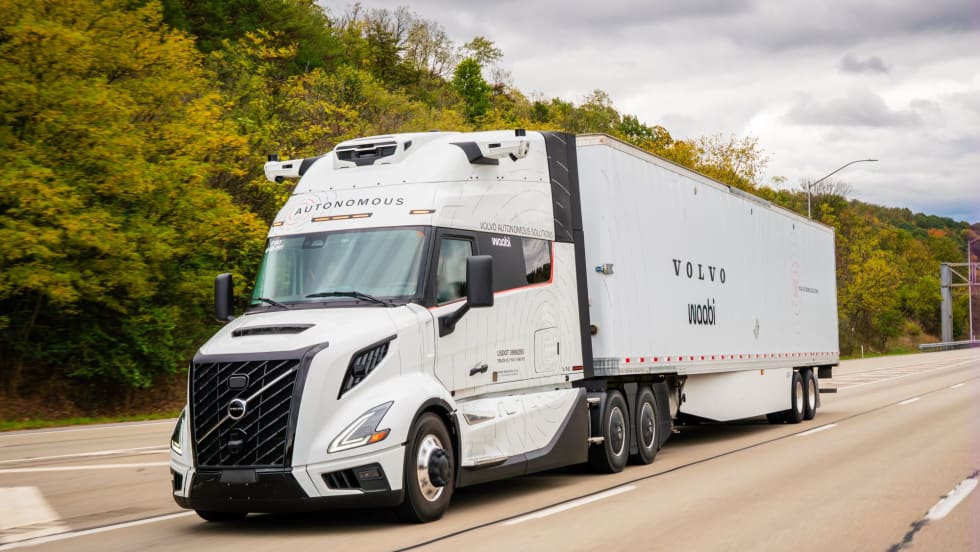
Volvo, Waabi Start Commercial Autonomous Operations in Texas
Volvo VNL Autonomous trucks, powered by the Waabi Driver, are hauling freight directly to third-party facilities for a customer in Texas.
Read More →