




FMCSA Now Taking Comments on Clearinghouse Proposal
The Federal Motor Carrier Safety Administration aims to plug some holes in the regulatory net with its proposed clearinghouse for drug and alcohol test results. The clearinghouse, which has been on the safety wish list for 15 years, is designed to prevent commercial drivers from hiding drug or alcohol violations and ensure that carriers are meeting their responsibility to test for substance abuse.

The Federal Motor Carrier Safety Administration aims to plug some holes in the regulatory net with its proposed clearinghouse for drug and alcohol test results.
The clearinghouse, which has been on the safety wish list for 15 years, is designed to prevent commercial drivers from hiding drug or alcohol violations and ensure that carriers are meeting their responsibility to test for substance abuse.
The agency published the proposed rule in Thursday’s Federal Register and asked for comments by April 21. It will post a final rule after it has reviewed the comments and made adjustments if necessary.
The rule will set up a system in which everyone associated with the federal drug and alcohol testing program will have to report test results, refusals to take a test and return-to-duty results.
That includes carriers, Medical Review Officers, Substance Abuse Professionals and the consortia that offer testing services to the industry.
In addition, carriers will have to report their drivers’ traffic citations for driving under the influence.
And laboratories that provide drug-testing services will have to report summary information on their tests every year.
All of this will go into the clearinghouse, a searchable database. Carriers will be required to look at the data, with the driver’s permission, before they hire a driver. As is currently the case, the rule will require carriers that contract with owner-operators to treat those drivers as employees when it comes to reporting to and querying the database.
The clearinghouse will be administered by FMCSA, and the proposed rule establishes the terms of access.
The rule is designed to shore up weaknesses in the current system.
For instance, drivers can get away with not reporting positive tests to prospective employers. Or, after testing positive in an application, a driver might wait until the substance clears his body before applying with a different carrier.
“As a result, such drivers continue to operate (trucks) after violating the drug and alcohol regulations without completing the required return-to-duty process,” the agency says.
The agency now uses compliance reviews and new entrant safety audits to check on carrier compliance with the testing requirements. That nets only a small percentage of the 520,000 carrier employers.
“As a result, many motor carrier employers that do not have a testing program may go undetected,” the agency says.
And the new entrant audits show that as much as 86% of would-be carriers have not yet set up a testing compliance program.
The new rule is designed to plug those gaps by requiring all drug testing labs to file an annual summary report showing the carriers they serve. The agency will use that information to identify carriers that do not have a compliance program.
More Fleet Management
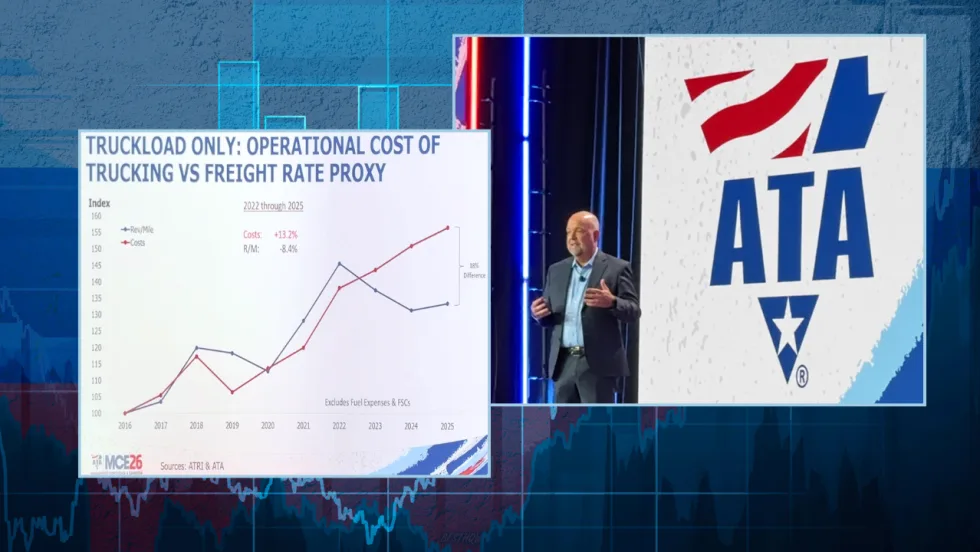
Why This Trucking Recovery Is Different
Freight demand remains sluggish, but rising costs and tougher enforcement have taken enough capacity out of the market to change the outlook for motor carriers.
Read More →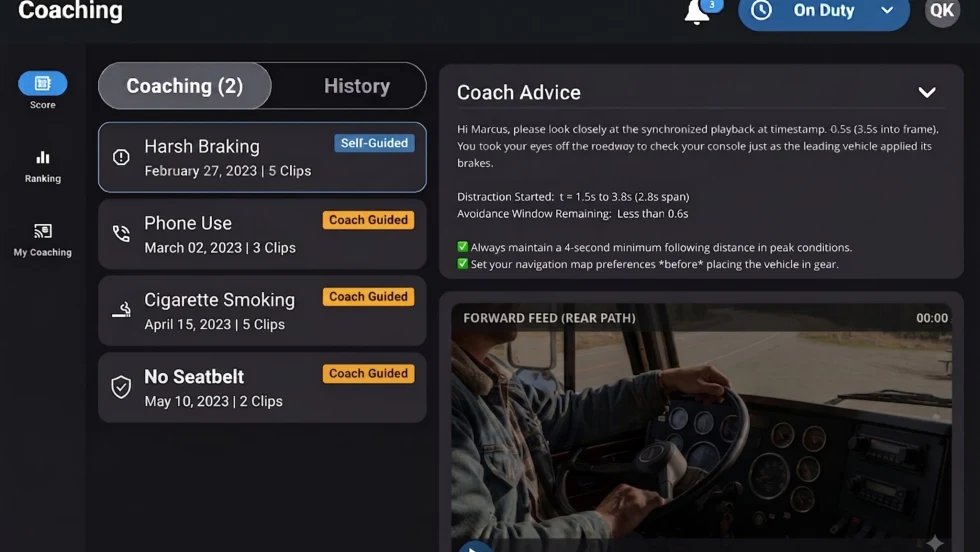
Platform Science Adds Dispatch and Safety Tools
Four additions to PS Fleet help fleets monitor loads, manage driver coaching, share truck locations and adjust video system settings.
Read More →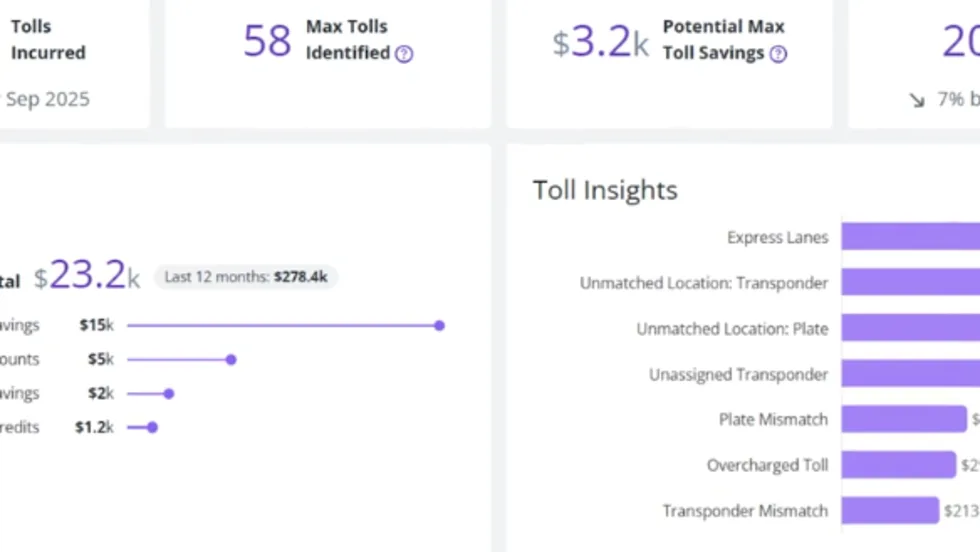
PrePass Intelligence Mines Fleet Bypass, Toll and Safety Data
PrePass Intelligence helps fleets measure bypass savings, flag potential toll overcharges, and spot suspicious transactions by combining data from separate systems.
Read More →
Motive Adds AI Agents for Fleet Operations
New tools automate follow-up on fleet data, from maintenance work orders to driver alerts, with two-way voice conversations planned for later this year.
Read More →
Can You Beat Our Trucking Trivia Challenge?
Test your truck knowledge with 19 trivia questions from Heavy Duty Trucking Exchange. Can you keep up with the fleet pros?
Read More →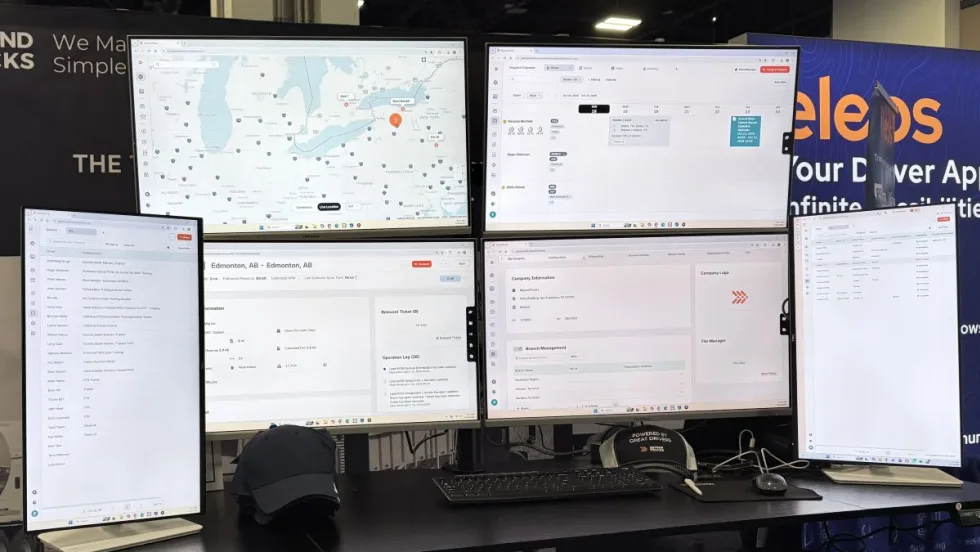
BeyondTrucks Adds Rules Checks to Dispatch
New Compatibility Engine checks driver qualifications, equipment requirements and fleet policies before loads are dispatched.
Read More →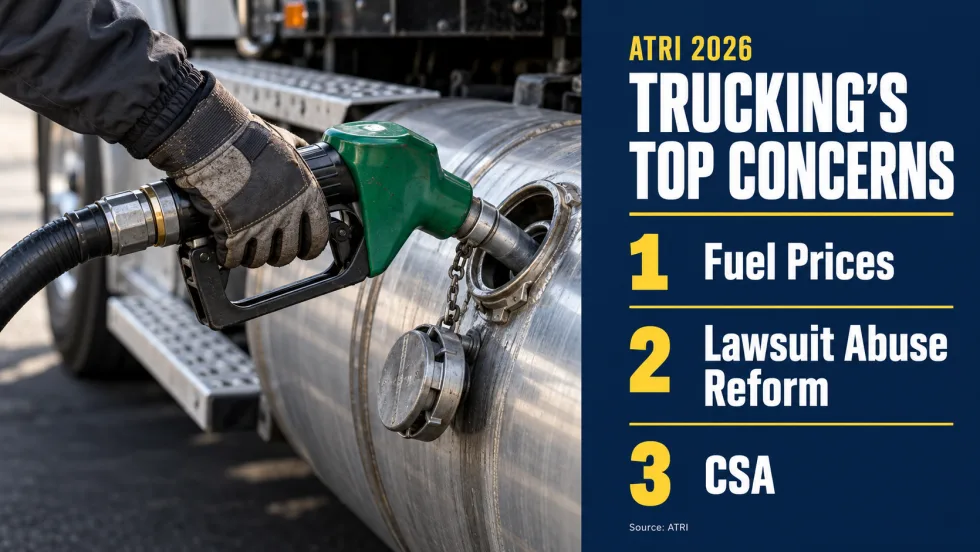
Diesel Prices Hijack Trucking’s Worry List
ATRI’s annual survey finds cautious optimism about freight, but diesel costs, litigation, and insurance continue to squeeze fleets. Drivers have different priorities on several issues.
Read More →
Nomination Deadline Extended for HDT Emerging Leaders
Just a few more days to nominate accomplished trucking fleet professionals under 40 who are making an impact and helping lead the industry forward for the HDT Emerging Leaders award. Deadline extended to October 20!
Read More →
What Will ATA’s New Leader Bring to Trucking's Table?
Incoming President and CEO Mark Colson’s record in Alabama offers clues about his priorities and approach following Chris Spear’s abrupt departure as the head of the American Trucking Associations.
Read More →
Volvo, Waabi Start Commercial Autonomous Operations in Texas
Volvo VNL Autonomous trucks, powered by the Waabi Driver, are hauling freight directly to third-party facilities for a customer in Texas.
Read More →