




New HOS Rules Continue to Impact Bottom Lines
Transport Capital Partners fourth-quarter survey results show new hours-of-service impacting productivity, carriers expecting wages to climb, and more entry-level drivers to be sought by fleets.
Transport Capital Partners fourth-quarter survey results show new hours-of-service impacting productivity, carriers expecting wages to climb, and more entry-level drivers to be sought by fleets.
Increases in rates and improved accessorial charges have yet to materialize for many carriers. And they will look to increased productivity as a means to raising their bottom lines. However, the new hours-of-service regulations appear to have significantly impacted that avenue.
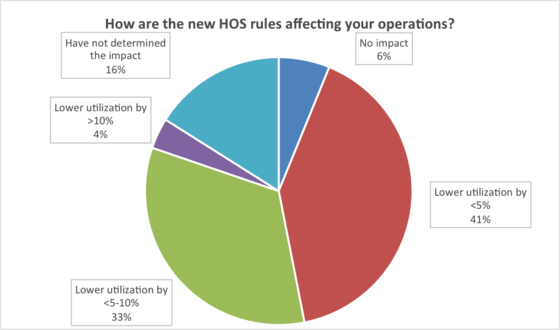
Seventy-eight percent of carriers reported those new rules having some impact on productivity. Forty-one percent expect the impact will be less than 5%. But an almost equal number (37%) say the new regulations will have more than a 5% impact. Amazingly, almost six months after the changes were implemented, 16% of carriers still have not determined the impact.
Carriers Expecting Wages to Climb
With a loss in productivity (i.e., miles) under the new HOS regulations, it would seem to follow that driver wages would also fall. However, capacity increases and the need to find more drivers will inevitably push carriers to raise wages. But in this environment of static rates, do carriers really believe they can raise driver wages?
The answer, according to this survey, is “yes”. Seventy-two percent of carriers expect to raise wages, albeit modestly (from 1% to 5%). The expectations are not even across the board: 81% of larger carriers think wages will increase 1% to 5% compared to only 50% of smaller carriers. Thirty-five percent of smaller carriers think wages will increase 6% to 10% compared with only 14% of larger carriers.
"We surmise the pressure of unseated trucks and higher turnover levels may be driving some carriers to higher pay increases," notes Steven Dutro, a TCP partner.
Changing Policies To Bring More Entry-Level Drivers Into Play
With the many changes taking place in the regulatory and economic environment, carriers are also reviewing their labor policies. Currently, less than 30% of carriers hire inexperienced entry-level drivers. Larger carriers are twice as inclined to spend the time, money, and effort to develop entry-level drivers than are smaller carriers (33% vs. 15%).
Only a third of carriers presently use entry-level drivers. It appears that number is set to grow, with slightly over half of all carriers expect to soon be training and utilizing inexperienced, entry-level drivers. Larger carriers expect this option at a rate of more than 2:1 over smaller carriers (64% vs. 25%).
While a slight majority of carriers are interested in utilizing entry-level drivers, a stunning 84% of carriers are willing to support allowing younger, properly trained drivers to enter the driving pool.
“We believe this means they support other carriers hiring and training younger driver so that they can then poach them later,” comments Richard Mikes, a TCP partner.
Buyers Remain Conservative
Carriers indicating they wish to exit the industry in the next six months remained at 11%, the same as last quarter but down slightly from 13% a year ago. However, 15% of smaller carriers are thinking about exiting the industry in the next six months, if revenues do not improve. This number contrasts with 10% of larger carriers.
Those carriers wishing to sell their company in the next 18 months dropped to 11% - the lowest it has ever been. More smaller carriers want to sell than large carriers (19% vs. 8%). Even with all the reports of carrier acquisitions this quarter, the overall number of carriers wishing to buy a company in the next 12 months dropped slighted from 47% to 42%, with buyers concentrated among the larger carriers at 50% vs. 27%.
“TCP experience shows pricing continues to be a focal point, with buyers remaining conservative and hesitant to pay ‘blue sky’ except for carriers with excellent operations or significant strategic benefits,” states Mikes.
More Drivers

New Independent Contractor Rule Gives Trucking More Clarity
The Labor Department is once again changing how it determines who's an independent contractor. This time, the rule includes specific examples addressing trucking safety requirements, CDLs, and lease-purchase agreements.

Catching Driver Fatigue is One Thing. What You Do Next Matters Just as Much
Fleets are getting better at detecting driver drowsiness. Few have figured out what should happen next, and that gap is where the real risk still lives.

133 ELDs Revoked as ATA Pushes Certification Reform
FMCSA just removed a record number of electronic logging devices from its registry. ATA says it's time to rethink how ELDs get approved in the first place.

CVSA Sets 2027 International Roadcheck Dates
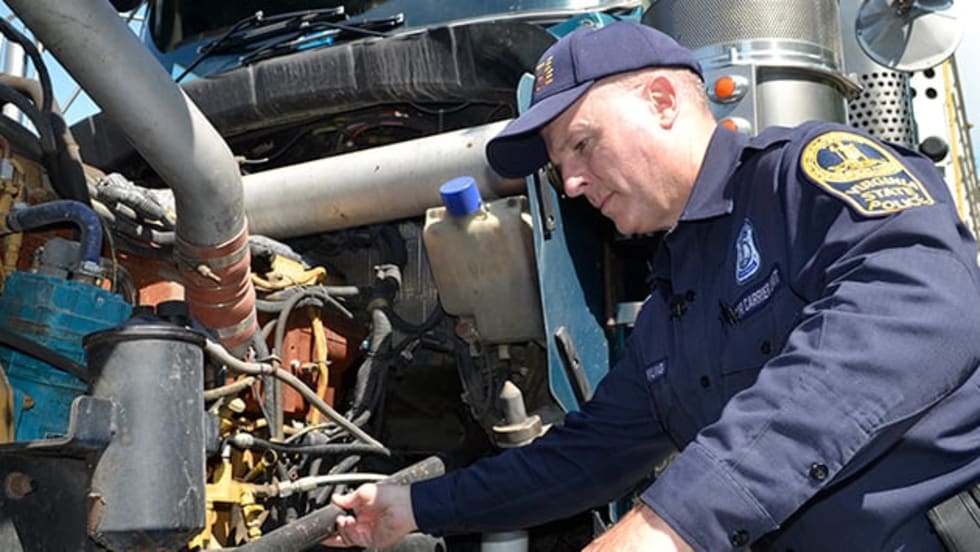
The annual 72-hour truck inspection blitz will take place May 11–13 across North America. Here's what fleets can expect and what inspectors found during the 2026 event.

FDA Eases Path for Oral-Fluid Testing
Federal actions could advance oral-fluid drug testing for truck drivers, but lab certification delays and marijuana rescheduling questions remain.

Why Hiring Truck Drivers Is Getting Harder
Higher recruiting costs, a shrinking driver pool, and renewed pay competition are raising the stakes for fleets heading into 2027.
Roehl Offers Truck Drivers $10,000 Retention Incentive
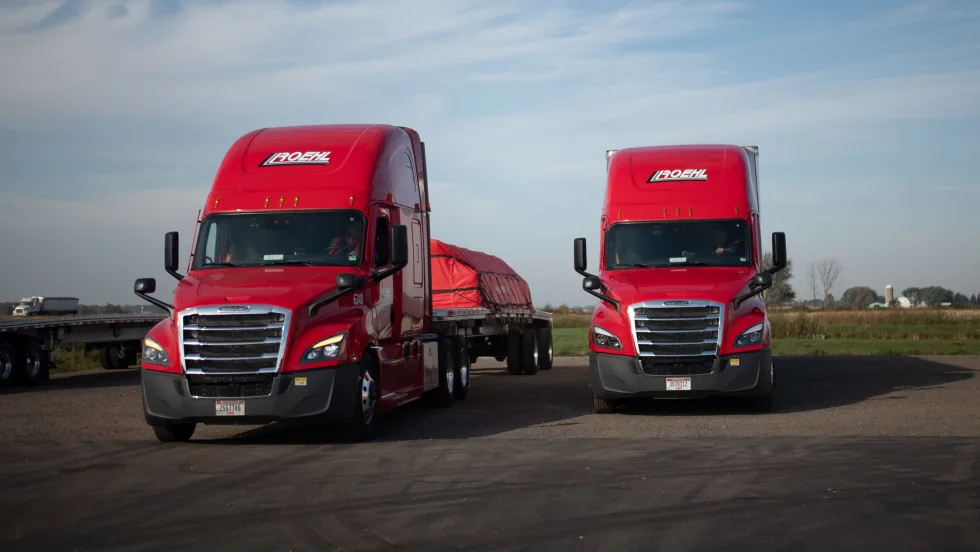
Payments begin after the first load and continue in mileage-based installments for eligible experienced drivers joining the fleet.
Platform Science Adds Dispatch and Safety Tools
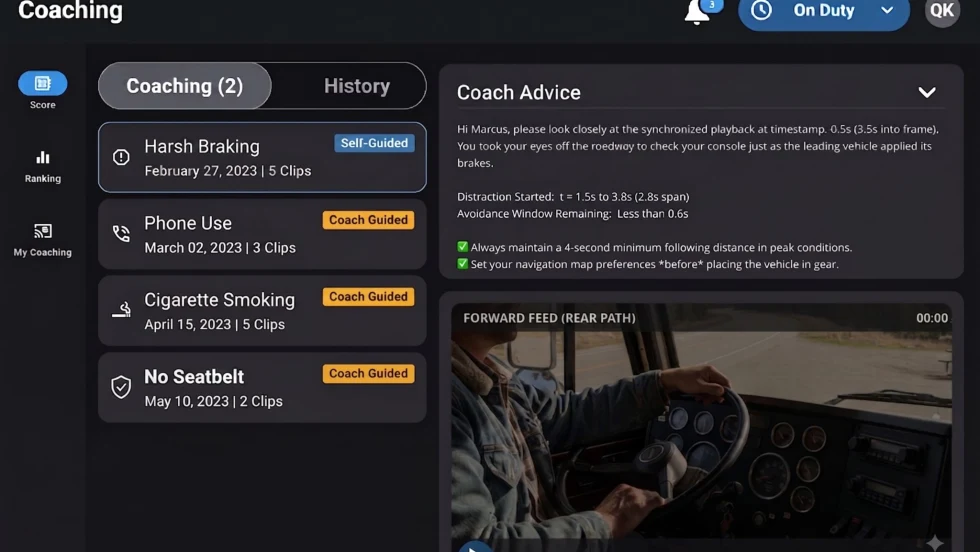
Four additions to PS Fleet help fleets monitor loads, manage driver coaching, share truck locations and adjust video system settings.

When Language Stops the Truck: The Return of ELP Out-of-Service Orders
English language proficiency rules for commercial drivers aren’t new, but renewed out-of-service enforcement has raised the stakes. Here’s what carriers need to know before a driver reaches a roadside inspection.

Samsara Launches Custom AI Agent Builder
Agent Studio lets fleets create AI tools for hours-of-service monitoring, reporting and driver support, including agents that communicate by phone.