




Connecticut Requires Snow and Ice Removal on All Vehicles
In Connecticut a new law that went into affect on Dec. 31 requiring commercial motor vehicles remove snow and ice from hoods, trunks and roofs or their operators will face fines ranging from $75 to $1,250.
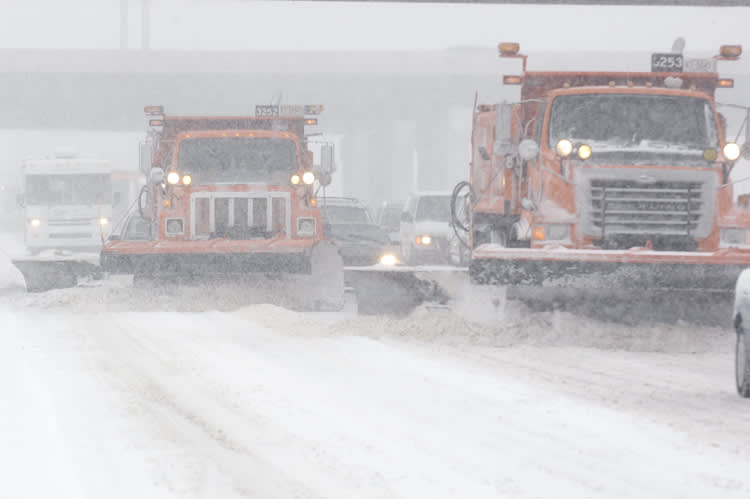
In Connecticut a new law went into affect on Dec. 31 requiring commercial motor vehicles remove snow and ice from hoods, trunks and roofs or their operators will face fines ranging from $75 to $1,250.

Operators of commercial vehicles who simply do not remove the accumulated snow and ice can be fined $75, however, the law calls for stiffer penalties when there’s personal or property damage from the flying elements. In those instances the operator can face a fine ranging from $500 to $1,250 each time it happens.
“This is a law meant to protect citizens and motorists from these elements that can be very dangerous when coming off traveling trucks on our highways and streets,” said DMV Commissioner Melody A. Currey in a press release. The fines carry the penalty of an infraction.
Operators are exempt from the fines when the snow, sleet and freezing rain begins or continues while the vehicle is traveling. Parked vehicles are also exempt from the required removal of ice and snow.
New Jersey and Pennsylvania have laws similar to Connecticut's, and the state of New York is considering a bill that would also require all vehicles remove snow and ice prior to taking off on the road.
These laws have raised concerns within the trucking industry over safety issues, especially considering the various laws require removing snow and ice from the tops of trailers, which are beyond dangerous for drivers to climb on.
So what are the options for drivers? In short, there aren't that many.
"A survey by the American Transportation Research Institute reveals that there remains a lack of economically feasible, easily deployable solutions available to motor carriers. ATRI said that snow throwers—devices that utilize an H-frame and rotate three times to throw snow as far as 20 feet away—cost about $70,000. Snow scrapers—devices mounted on H-frame that trailers can pull under to scrape the snow—run about $15,000 to $18,000," according to an article by Penske.
Related articles:
More Drivers
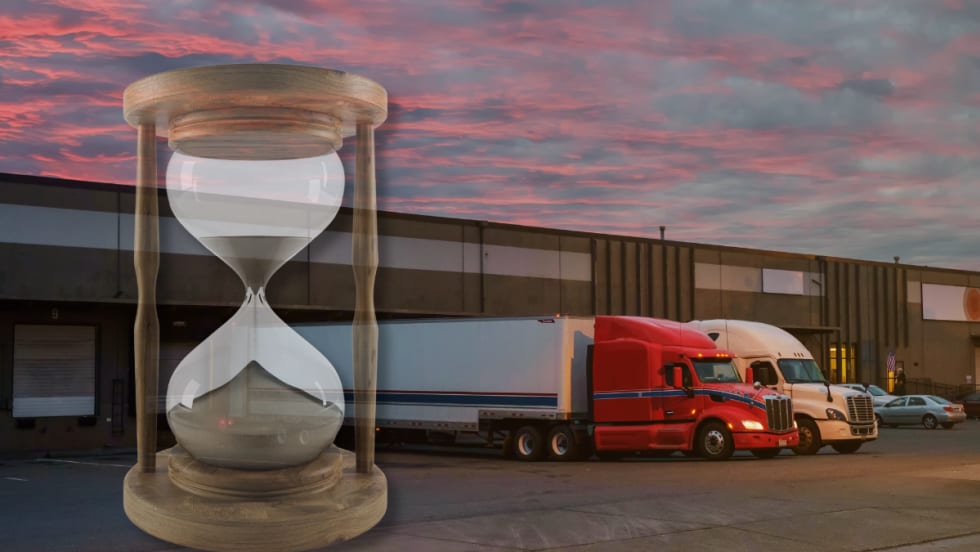
Why Truck Detention Keeps Costing Fleets Time and Money
A 2024 ATRI study found detention affects nearly 40% of truckload stops and costs the industry more than $15 billion annually. Despite the toll on drivers, fleets, and supply chains, the problem remains stubbornly persistent.
Read More →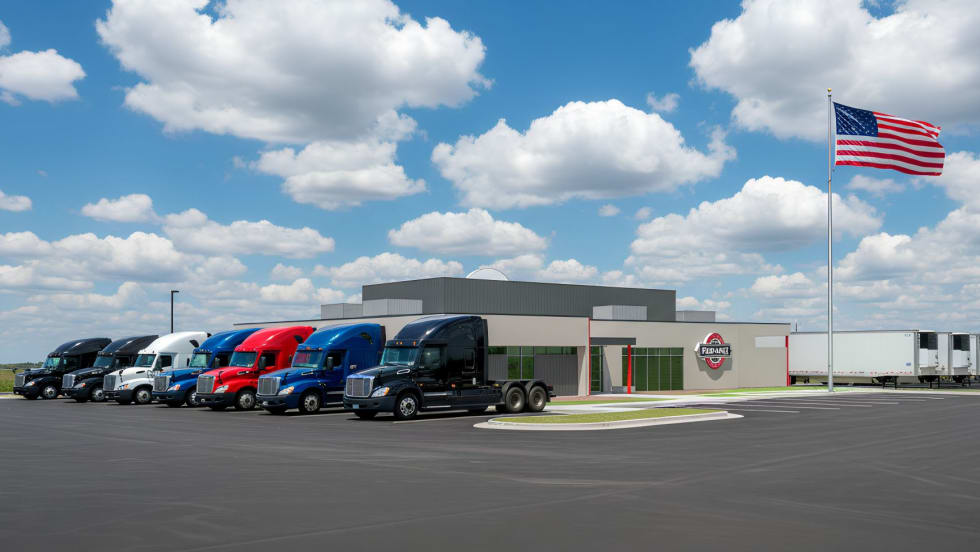
Prime Inc. to Open $7.9M Flagship Used-Truck Dealership
A new driver-focused facility to sell Prime Inc's used trucks and trailers will be the first purpose-built location in the company's history.
Read More →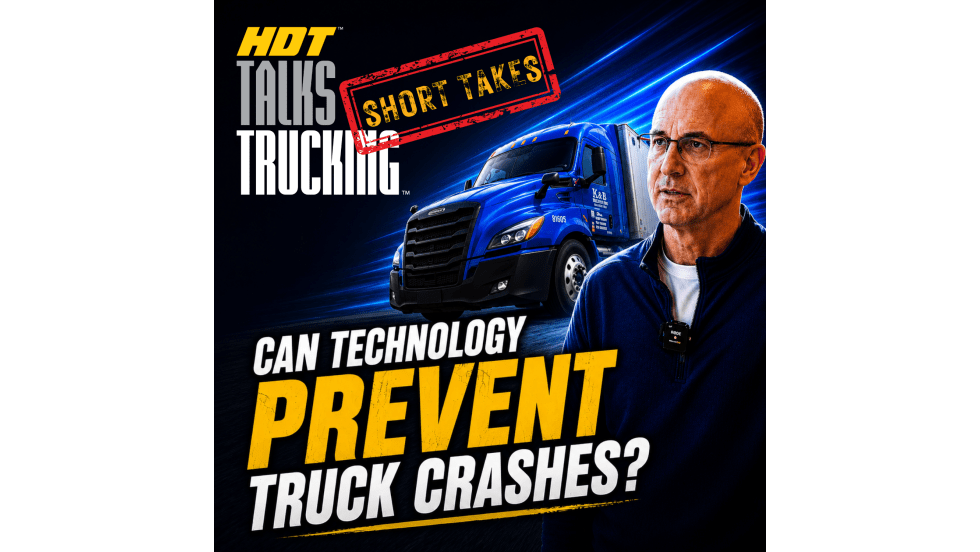
Short Takes: Inside K&B’s Truck Safety Tech
Listen to learn how K&B Transportation uses cellphone-blocking technology, speed management systems, weather geofencing, bridge avoidance tools, and more to improve driver safety.
Read More →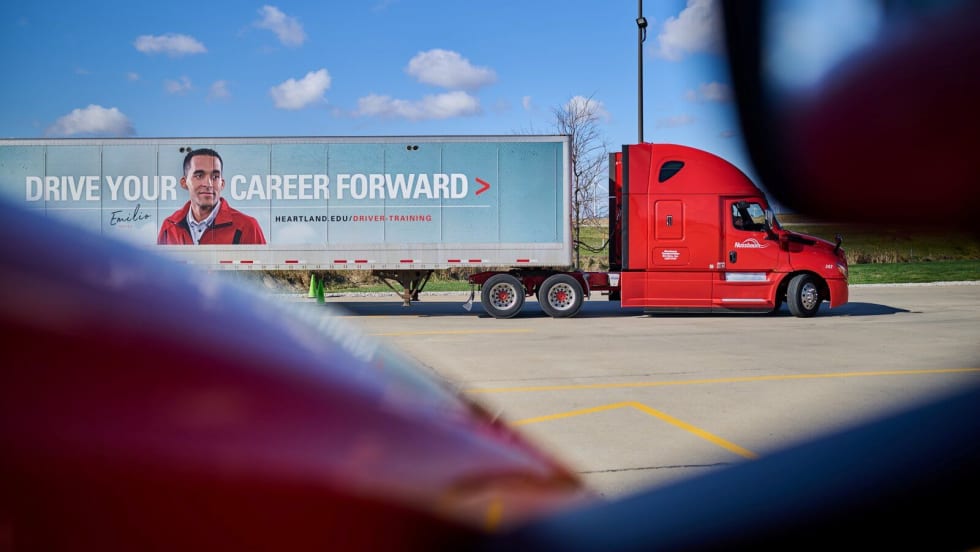
Nussbaum Expands Driver Compensation with Pay Raises, Profit Sharing
Nussbaum Transportation said its latest compensation package could push first-year driver earnings above $90,000 in key hiring markets.
Read More →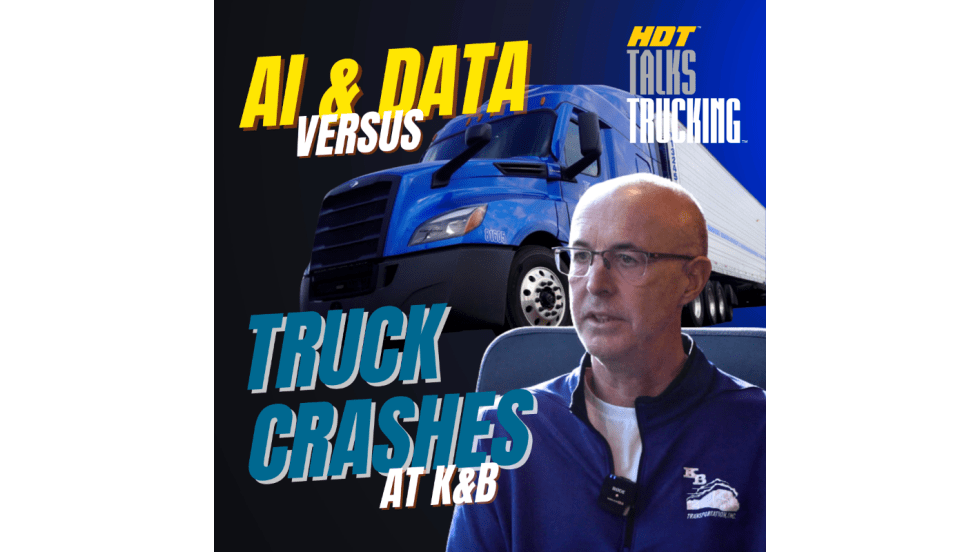
Listen: Inside Modern Fleet Safety: AI, Cameras & Speed Control at K&B Transportation
Fleet safety is evolving fast—and technology is at the center of it. Learn how a former commercial vehicle enforcement officer turned director of safety at K&B Transportation is embracing real-world safety technology.
Read More →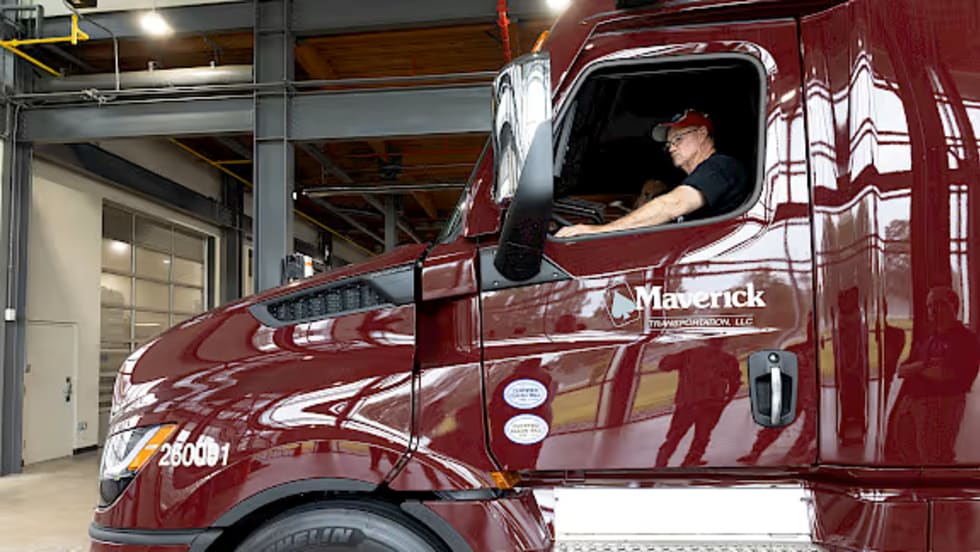
Maverick Announces 2026 Driver Pay Raises
New raises for Maverick Transportation drivers will take effect on May 31, 2026.
Read More →
Illinois Trucker Indicted for Nearly $22,000 in Ohio Turnpike Toll Evasion
Authorities say an Illinois trucker avoided paying tolls for two years, and now faces felony charges, possible prison time, and forfeiture of his Freightliner tractor.
Read More →
New Trojan Driver Cargo Theft Scam Bypasses Carrier Vetting Systems
Cargo theft rings plant operatives as drivers inside legitimate, fully vetted carriers, then execute coordinated thefts that look like a traditional straight theft from the outside.
Read More →
WIM, Trucker Path Name Top 3 Women-Friendly Truck Stops
ATA’s Women In Motion Council and Trucker Path highlight three truck stops that meet all seven safety-focused criteria and rank highest among female drivers.
Read More →
FMCSA Extends Paper Medical Card Exemption … Again
Five states still aren't ready to accept commercial driver medical exam information directly from the medical examiner's registry.
Read More →