




Survey Shows Carriers Focused on Safety, Shippers Indifferent to CSA Scores
In the third quarter Transport Capital Partners' trucking industry survey, shippers are still largely unconcerned by carrier CSA scores, the use of e-logs continues to grow, and truck speeds are controlled.
In the third quarter Transport Capital Partners' trucking industry survey, shippers are still largely unconcerned by carrier CSA scores, the use of e-logs continues to grow, and truck speeds are controlled.
TCP provides advisory services related to transportation mergers and acquisitions, capital sourcing, operations, and long-term strategy.
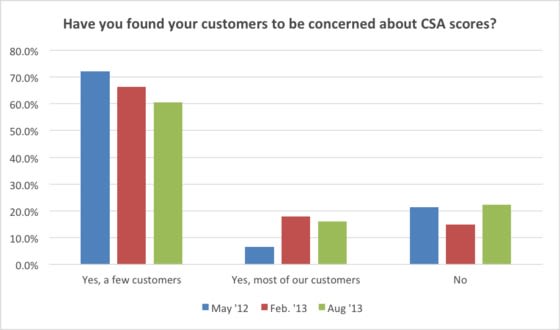
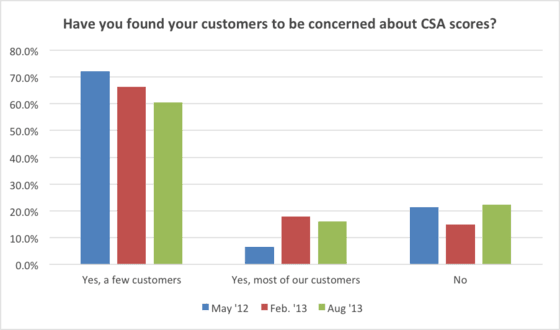
The number of shippers not concerned by carrier CSA scores has increased from 15% to 22%. These are approximately the same numbers as in May 2012. It is troubling that the number of shippers not concerned by CSA scores significantly outweighs the number of shippers who are concerned – 22% to 16%.
“We are at a loss to explain the increase in shippers not concerned. One possible explanation is that shippers simply do not use CSA scores as a determinant in choosing a carrier,” commented Richard Mikes, TCP partner.
It is likely that many shippers still do not believe CSA scores reflect the actual safety of a carrier. More smaller carriers than larger carriers reported that their shippers are not concerned about CSA scores - 27% vs. 20%.
Speed Limits
For the first time, the Business Expectations Survey asked carriers their current truck speed limit. Operating at posted speed limits is an essential aspect of truck and driver safety. It is also very important for managing fuel costs.
Nearly half of carriers (46%) indicated their speed limit was set at 65 mph. Thirty-one percent indicated it was set at 63 mph. Almost twice as many smaller carriers than larger carriers were setting speed limits at 68 mph (21% vs. 11%).
E-log Use Grows
“Many carriers, on e-logs, tell us driver acceptance is good, HOS compliance is better, and CSA scores have improved since full implementation,” noted Steven Dutro, TCP partner.
With the knowledge that mandated electronic logs are coming, the number of carriers who have done nothing continues to decline, from 33% in May 2012 to 18% in August 2013. The number of carriers who are committed to using e-logs is now at 57%.
Larger carriers are far more committed to e-logs than smaller carriers, 71% vs. 27%. This may result from larger carriers having the financial resources to fund, train and manage compliance and dispatch, while smaller carriers continue to postpone the expense.
More Fleet Management
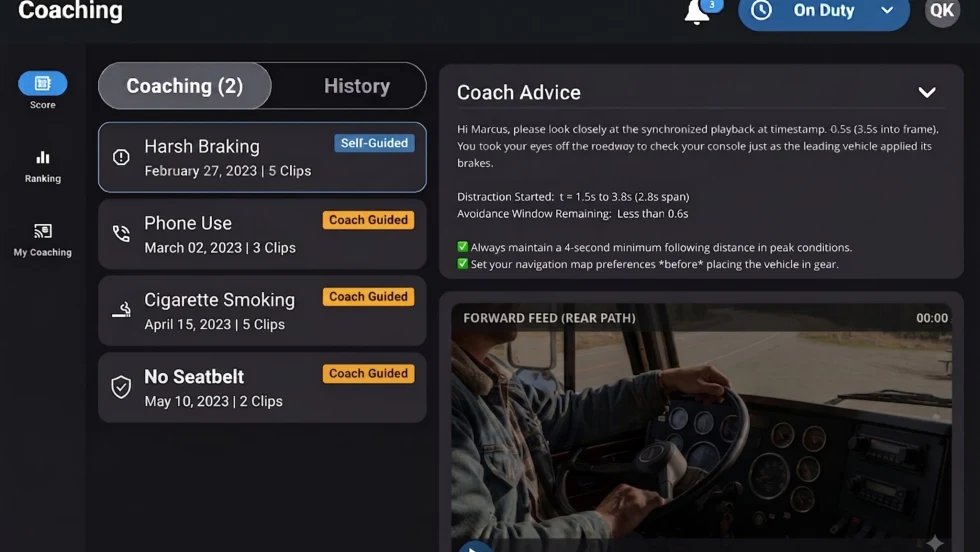
Platform Science Adds Dispatch and Safety Tools
Four additions to PS Fleet help fleets monitor loads, manage driver coaching, share truck locations and adjust video system settings.
Read More →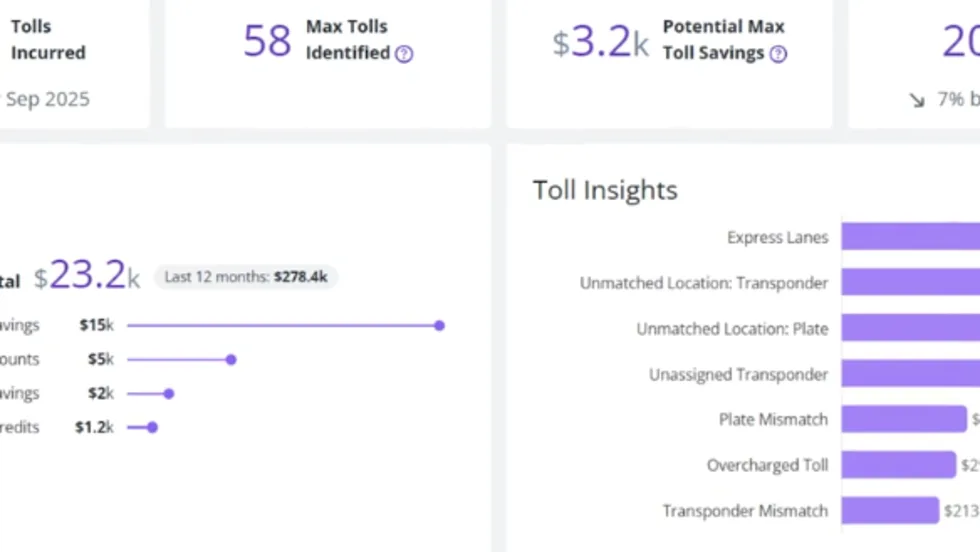
PrePass Intelligence Mines Fleet Bypass, Toll and Safety Data
PrePass Intelligence helps fleets measure bypass savings, flag potential toll overcharges, and spot suspicious transactions by combining data from separate systems.
Read More →
Motive Adds AI Agents for Fleet Operations
New tools automate follow-up on fleet data, from maintenance work orders to driver alerts, with two-way voice conversations planned for later this year.
Read More →
Can You Beat Our Trucking Trivia Challenge?
Test your truck knowledge with 19 trivia questions from Heavy Duty Trucking Exchange. Can you keep up with the fleet pros?
Read More →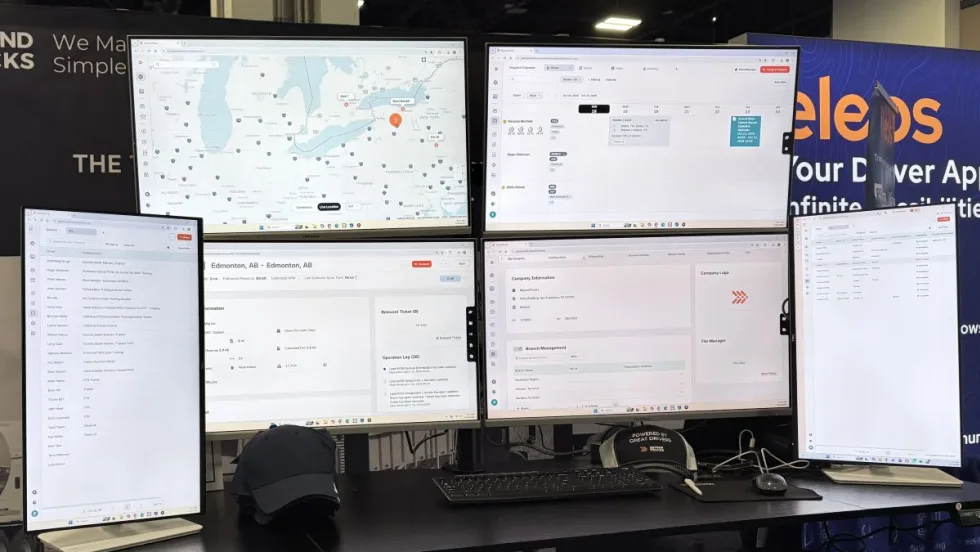
BeyondTrucks Adds Rules Checks to Dispatch
New Compatibility Engine checks driver qualifications, equipment requirements and fleet policies before loads are dispatched.
Read More →
Diesel Prices Hijack Trucking’s Worry List
ATRI’s annual survey finds cautious optimism about freight, but diesel costs, litigation, and insurance continue to squeeze fleets. Drivers have different priorities on several issues.
Read More →
Nomination Deadline Extended for HDT Emerging Leaders
Just a few more days to nominate accomplished trucking fleet professionals under 40 who are making an impact and helping lead the industry forward for the HDT Emerging Leaders award. Deadline extended to October 20!
Read More →
What Will ATA’s New Leader Bring to Trucking's Table?
Incoming President and CEO Mark Colson’s record in Alabama offers clues about his priorities and approach following Chris Spear’s abrupt departure as the head of the American Trucking Associations.
Read More →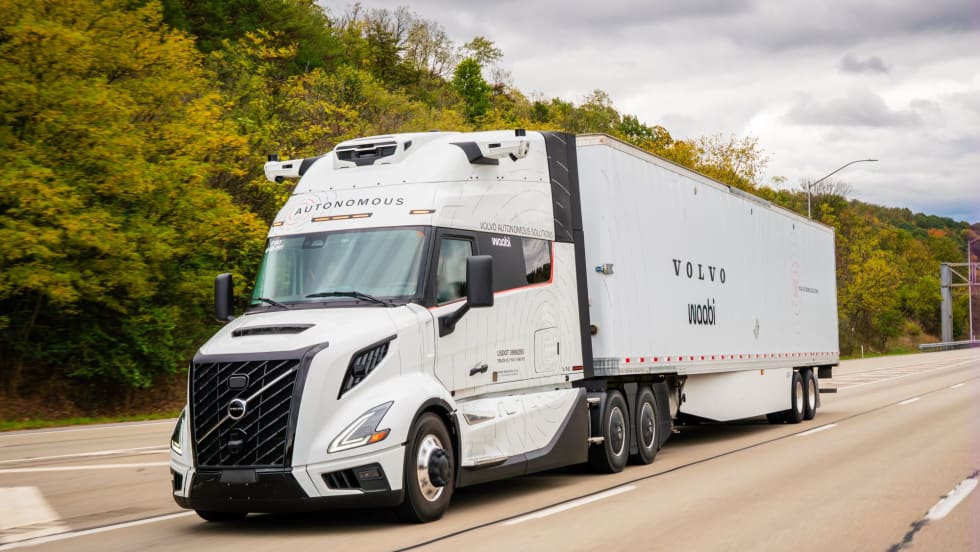
Volvo, Waabi Start Commercial Autonomous Operations in Texas
Volvo VNL Autonomous trucks, powered by the Waabi Driver, are hauling freight directly to third-party facilities for a customer in Texas.
Read More →
Samsara Launches Custom AI Agent Builder
Agent Studio lets fleets create AI tools for hours-of-service monitoring, reporting and driver support, including agents that communicate by phone.
Read More →