




California’s Low-Carbon Fuel Standard Upheld
A three-judge federal panel on Wednesday upheld California’s controversial and first-in-the-nation law requiring fuel-makers to reduce carbon, that detractors say will lead to higher prices for diesel and gasoline.


A three-judge federal panel on Wednesday upheld California’s controversial and first-in-the-nation law requiring fuel-makers to reduce carbon, that detractors say will lead to much higher prices for diesel and gasoline.

The 2-1 ruling over the low carbon fuel standard, by the 9th U.S. Circuit Court of Appeals in San Francisco, came as the judged rejected arguments by fuel producers that it was discriminatory against out-of-state fuel makers. It reverses a lower court ruling as well as killing an injunction that was stopping implementation of the law by the California Air Resources Board.
“"Unless and until either the United States Supreme Court or the Congress forbids it, California is entitled to proceed on the understanding that global warming is being induced by rising carbon emissions and attempt to change that trend," wrote Judge Ronald Gould in the majority opinion. "California, if it is to have any chance to curtail greenhouse gas emissions, must be able to consider all factors that cause those emissions when it assesses alternative fuels."
The American Fuel and Petrochemicals Manufacturers Association, which opposes the law, said it “will be evaluating its options regarding further court proceedings in upcoming weeks.”
“AFPM is disappointed by the decision of a divided panel of the 9th Circuit,” said AFPM President Charles Drevna. "The District Court (in an earlier ruling striking down the law) explained compellingly why the California low carbon fuel standard violates the Commerce Clause of the Constitution. Although the LCFS is a California law, its broad reach and intended scope means that implementing the LCFS will have adverse consequences throughout the nation’s fuel refining facilities and supply chain far beyond California’s borders.”
In an email to the Associated Press, CARB spokesman, Dave Clegern said, "This is a very good step for Californians and the fight against climate change. We are pleased, on behalf of the people of California and its environment, that the Court recognized the importance of this program and that the [standard] remains in effect."
Several years ago, California lawmakers passed, and then-Gov. Arnold Schwarzenegger signed into law AB 32, the California Global Warming Solutions Act of 2006.
The act, along with an executive order Schwarzenegger issued in 2007, aims to reduce emissions gradually in the state so the level of pollutants is no greater than the level in 1990. The moves also allow for the state's cap-and-trade program that was adopted by the California Air Resources Board.
Trucking interests say all this will hit their operations in the wallet any time truckers buy fuel in the Golden State, and that it will harm the state's economy, even before all this is fully implemented in 2020.
A study last year, conducted for the California Trucking Association by the legislative and regulatory consulting firm Stonebridge Associates, determined the LCFS and cap-and-trade could increase the price of diesel by $2.22 per gallon, resulting in a pump price of $6.69 per gallon and an average difference between California's diesel price and neighboring states of $2.33 per gallon.
The Oil Price Information Service has also said it will lead to higher prices by nearly as much as the CTA study claims.
Early on the American Trucking Associations and other groups challenged the low-carbon fuel standard.
More Drivers

New Independent Contractor Rule Gives Trucking More Clarity
The Labor Department is once again changing how it determines who's an independent contractor. This time, the rule includes specific examples addressing trucking safety requirements, CDLs, and lease-purchase agreements.

Catching Driver Fatigue is One Thing. What You Do Next Matters Just as Much
Fleets are getting better at detecting driver drowsiness. Few have figured out what should happen next, and that gap is where the real risk still lives.
133 ELDs Revoked as ATA Pushes Certification Reform
FMCSA just removed a record number of electronic logging devices from its registry. ATA says it's time to rethink how ELDs get approved in the first place.

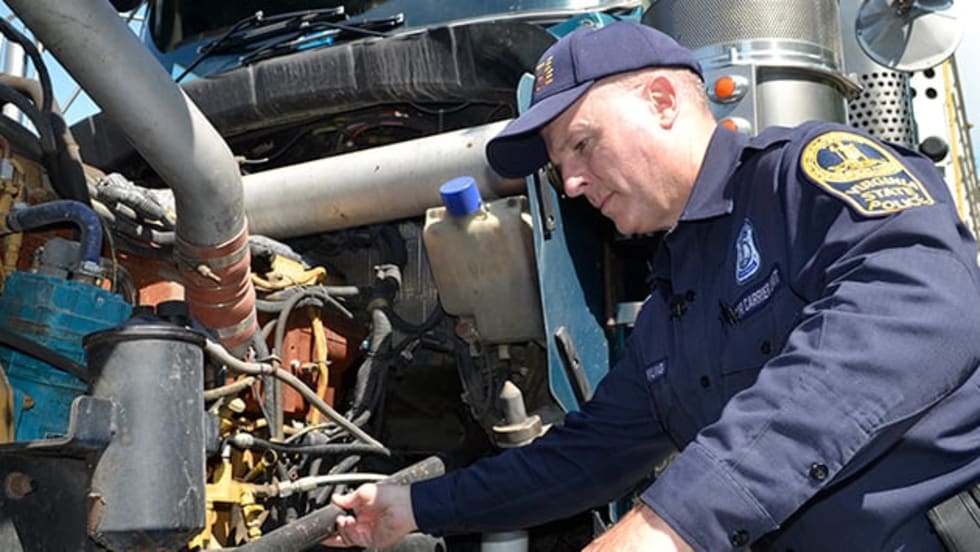
CVSA Sets 2027 International Roadcheck Dates
The annual 72-hour truck inspection blitz will take place May 11–13 across North America. Here's what fleets can expect and what inspectors found during the 2026 event.

FDA Eases Path for Oral-Fluid Testing
Federal actions could advance oral-fluid drug testing for truck drivers, but lab certification delays and marijuana rescheduling questions remain.

Why Hiring Truck Drivers Is Getting Harder
Higher recruiting costs, a shrinking driver pool, and renewed pay competition are raising the stakes for fleets heading into 2027.
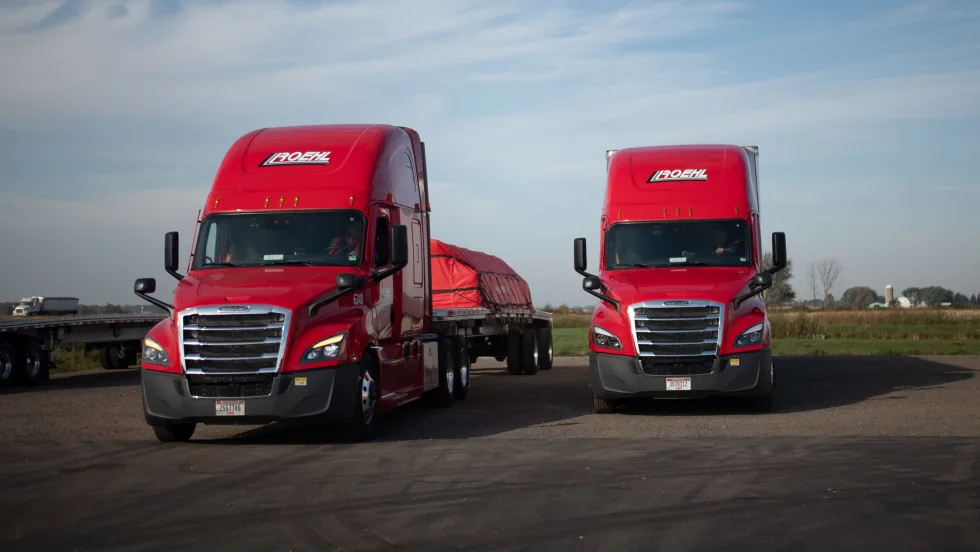
Roehl Offers Truck Drivers $10,000 Retention Incentive
Payments begin after the first load and continue in mileage-based installments for eligible experienced drivers joining the fleet.
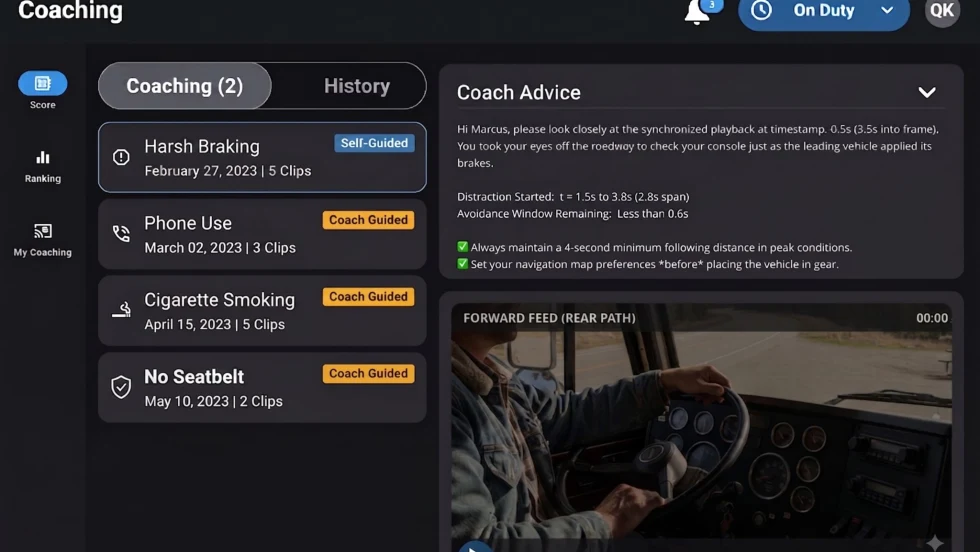
Platform Science Adds Dispatch and Safety Tools
Four additions to PS Fleet help fleets monitor loads, manage driver coaching, share truck locations and adjust video system settings.

When Language Stops the Truck: The Return of ELP Out-of-Service Orders
English language proficiency rules for commercial drivers aren’t new, but renewed out-of-service enforcement has raised the stakes. Here’s what carriers need to know before a driver reaches a roadside inspection.

Samsara Launches Custom AI Agent Builder
Agent Studio lets fleets create AI tools for hours-of-service monitoring, reporting and driver support, including agents that communicate by phone.