




New Jersey Cargo Theft Bill Signed into Law
On May 9, New Jersey Gov. Christie signed bipartisan legislation sponsored by Assemblywoman Caroline Casagrande and Assembly Republican Conference Leader Dave Rible that cracks down on cargo theft in New Jersey. The measure is named the "Lt. Scott Jenkins Law" in memory of a founding member of the State Police Cargo Theft Unit, and is sponsored by 17 other Assembly Republicans.
On May 9, New Jersey Gov. Christie signed bipartisan legislation sponsored by Assemblywoman Caroline Casagrande and Assembly Republican Conference Leader Dave Rible that cracks down on cargo theft in New Jersey.
The measure is named the "Lt. Scott Jenkins Law" in memory of a founding member of the State Police Cargo Theft Unit, and is sponsored by 17 other Assembly Republicans.
"Cracking down on cargo theft will make our roads safer for truckers and help our economy because these crimes drive up the prices for just about every good sold in our state from televisions to tomatoes," said Casagrande, R-Monmouth, a member of the Appropriations Committee. "Gangs have made cargo theft a billion dollar problem, particularly in New Jersey which is a vital commerce and transportation hub. Giving law enforcement stronger laws and more resources will help them fight back against these sophisticated thieves."
The legislation, S-2092/A-3003, is named after Lt. Scott Jenkins, who died of cancer in 2003. He was a founding member of the State Police Cargo Theft Unit.
Cargo theft increased 147% in New Jersey from 2009 to 2010, making it a state to watch according to a survey by FreightWatch International, a Texas-based logistics security provider. Hudson and Middlesex counties rank among the top ten risk zones in the country for cargo theft.
Law enforcement estimate thieves steal between $700 million and $1 billion worth of cargo every year in New Jersey, particularly in North Jersey by Port Elizabeth and Port Newark.
The law will create specific criminal provisions for cargo theft:
Fines against leading or organizing a cargo theft networks of $250,000 for a second-degree crime, $500,000 for a first-degree offense or five times the value of property seized - whichever is greater.
New criminal offense for operating a facility to sell or store stolen cargo.
Additional fines against those convicted of cargo theft to fund law enforcement against cargo theft.
Want to learn more about cargo theft and cargo security? Read HDT's award-winning 2011 cover story, "9 Ways to Keep Cargo Safe & Secure."
More Safety & Compliance

How Waste Connections is Using Data, Telematics, and AI
How do you manage and maintain more than 18,000 connected trucks? Data. Lots of it.
Read More →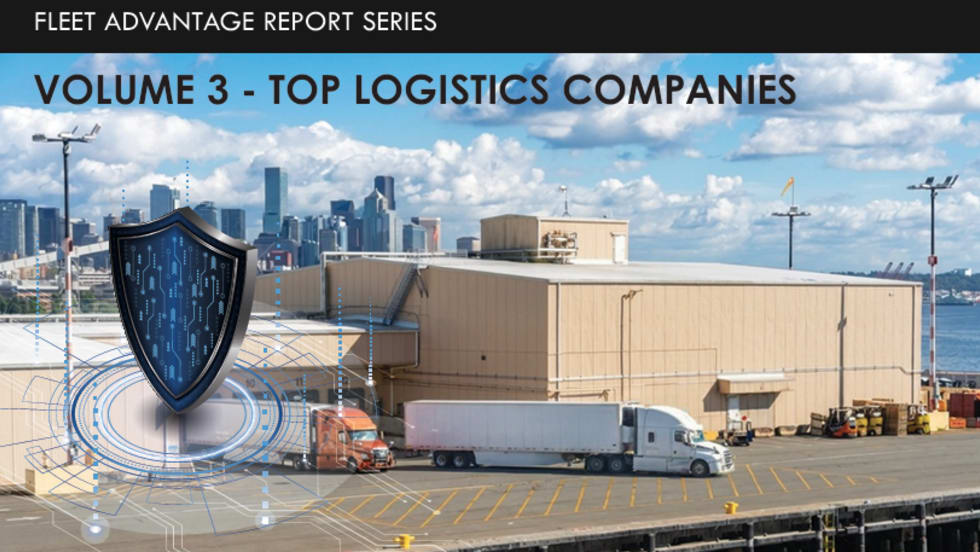
Fleet Advantage: Top Logistics Fleets Outperform National Safety Benchmarks
Fleet Advantage's latest TRUST Safety Index found leading logistics fleets maintained significantly lower out-of-service rates and stronger safety scores than national averages, while highlighting persistent challenges related to tires, brakes, and unsafe driving behaviors.
Read More →
Why Fleet Data Matters More Than Ever at Waste Connections [Watch]
Waste Connections' Chuck Palmer explains how telematics, predictive maintenance, safety analytics, and AI help keep vehicles on the road and drivers safe in this episode of HDT Talks Trucking.
Read More →
Short Takes: How K&B is Using AI
Fleets need to "get on board the train" with AI, says Lance Evans of K&B Transportation in this HDT Talks Trucking Short Takes episode.
Read More →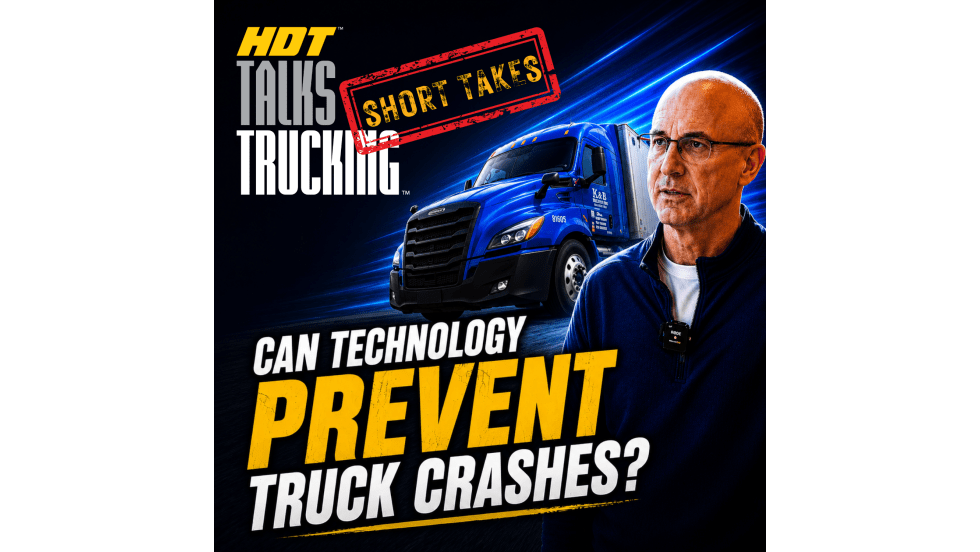
Short Takes: Inside K&B’s Truck Safety Tech
Listen to learn how K&B Transportation uses cellphone-blocking technology, speed management systems, weather geofencing, bridge avoidance tools, and more to improve driver safety.
Read More →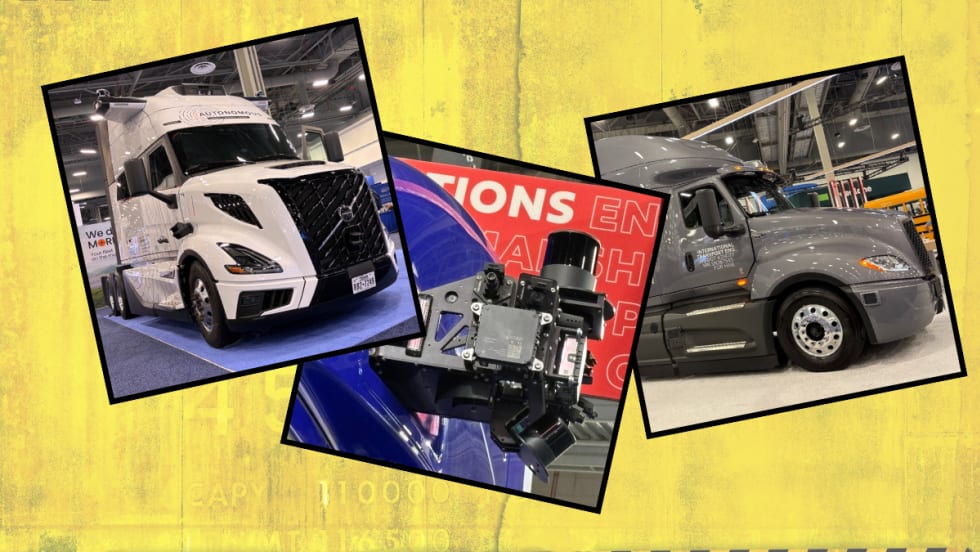
The Biggest Gap in Driverless Trucking Isn’t Tech. It’s Safety Validation
Nauto’s Stefan Heck says autonomous trucks are advancing quickly but proving they’re safe enough for large-scale deployment may be the industry’s hardest challenge.
Read More →
Truck Crash Rates Are Down. So Why Do Insurance Costs Keep Rising?
ATRI’s latest research points to litigation, social inflation, and soaring claims costs as key drivers behind record-high liability premiums for trucking fleets. But there are things motor carriers can do.
Read More →
FMCSA Removes More Than a Dozen ELDs from Registered List
The FMCSA continues its efforts to fight electronic logging devices that don't meet federal requirements, removing more than a dozen from the registered ELD list in May.
Read More →
How the Supreme Court Broker Liability Ruling Could Reshape Trucking’s Safety Landscape
The Supreme Court’s May 11 broker-liability ruling may not radically rewrite transportation law overnight. But industry experts say it will intensify pressure on brokers, carriers, and shippers to prove they are prioritizing safety.
Read More →
Recall of Fontaine Fusion Flatbeds Warns Owners Not to Use the Trailers
Some Fontaine Fusion flatbed trailer manufactured between February 2025, and March 2026 could have mainbeams weakened by hydrogen embrittlement because of a problem in the galvanizing process.
Read More →