




Lawsuits Piling Up Against Pilot Flying J Following Raid
Alabama-based Osborn Transportation has filed suit in federal court in Alabama accusing Pilot Flying J of breach of contract and other charges over allegations it cheated trucking company customers out of fuel rebates.

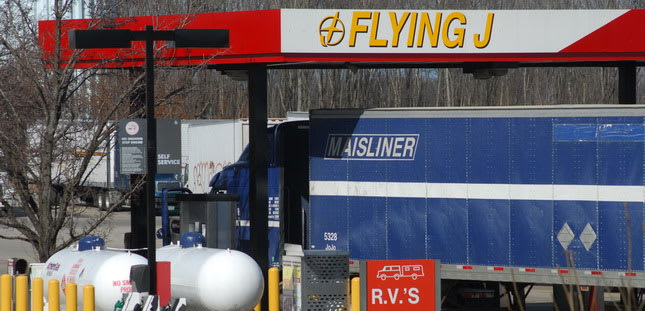
Another lawsuit has been filed against the truckstop chain Pilot Flying J over allegations it cheated trucking company customers out of fuel rebates.
The Tennessean newspaper reports Alabama-based Osborn Transportation has filed suit in federal court in Alabama accusing Pilot Flying J of breach of contract, unjust enrichment fraud and violations of consumer protection statutes.
It cites the 120-page affidavit released by the FBI after agents from the bureau and the IRS raided the company’s Knoxville headquarters in mid-April, claiming the company systematically bilked customers out of rebate money and discounts they were due in a fuel purchase program without their knowledge.
Osborn claims Pilot Flying J “willfully devised and conspired to devise a scheme to defraud Pilot’s customer Osborn by deceptively reducing rebate amounts.” It is seeking punitive damages and restitution.
Since the raid, CEO Jimmy Haslam says the company has launched an internal investigation and placed some sales people on administrative leave. He has also promised to reimburse affected carriers and outlined steps the company is taking to address the allegations. Haslam has denied any wrongdoing or any knowledge about the alleged scheme.
Other lawsuits have been filed against Pilot Flying J in federal courts in Arkansas, Mississippi and Tennessee. The Osborn suit is the second to be filed in Alabama.
More Fuel Smarts
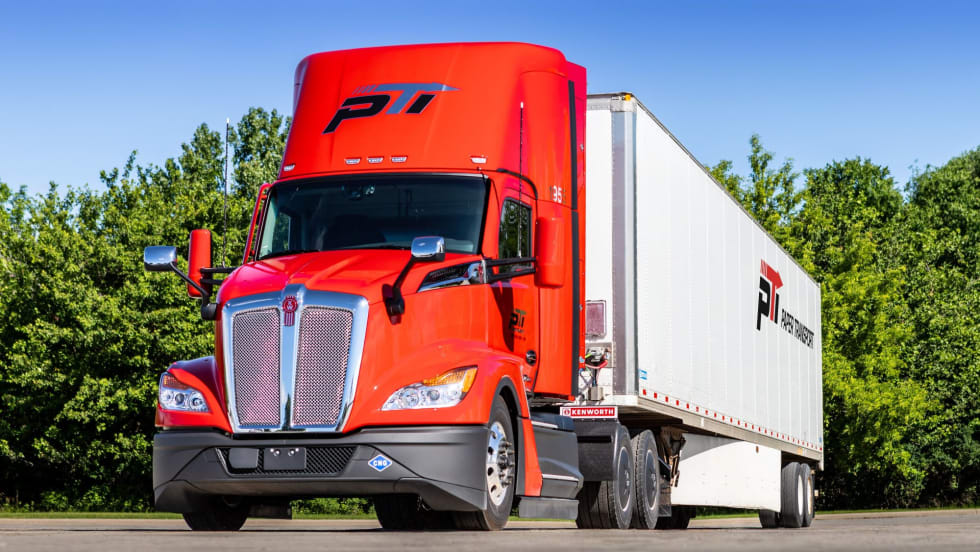
Lessons Learned About Alternative Fuels: Start Small, Stay Flexible
Practical advice on adopting alternative fuels and ZEVs from HDT's 2026 Top Green Fleets, from renewable diesel and natural gas to electric trucks.
Read More →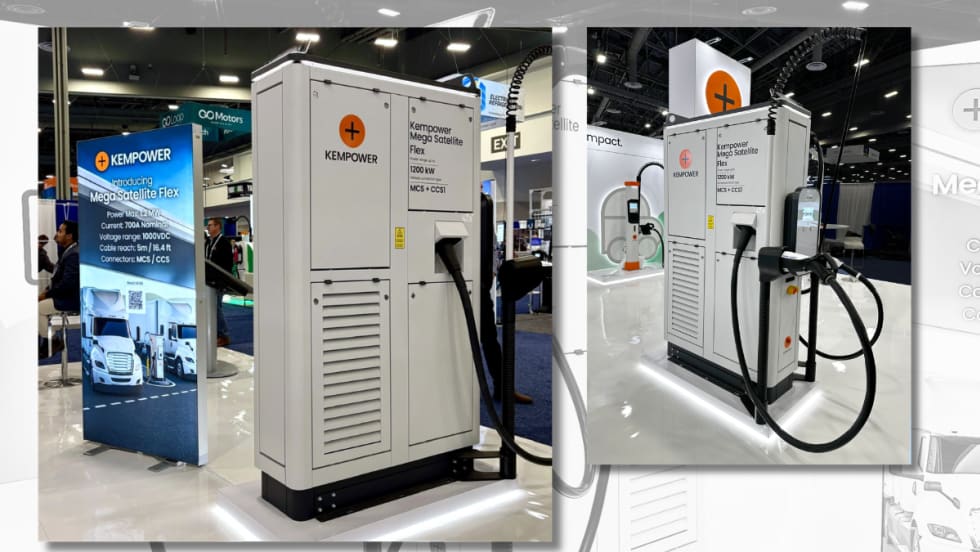
Kempower Adds Flex EV Charger to Help Support Transition to Megawatt Charging
The Kempower Mega Satellite Flex has both a CCS and MCS connector, allowing operators to serve both types of heavy-duty vehicles.
Read More →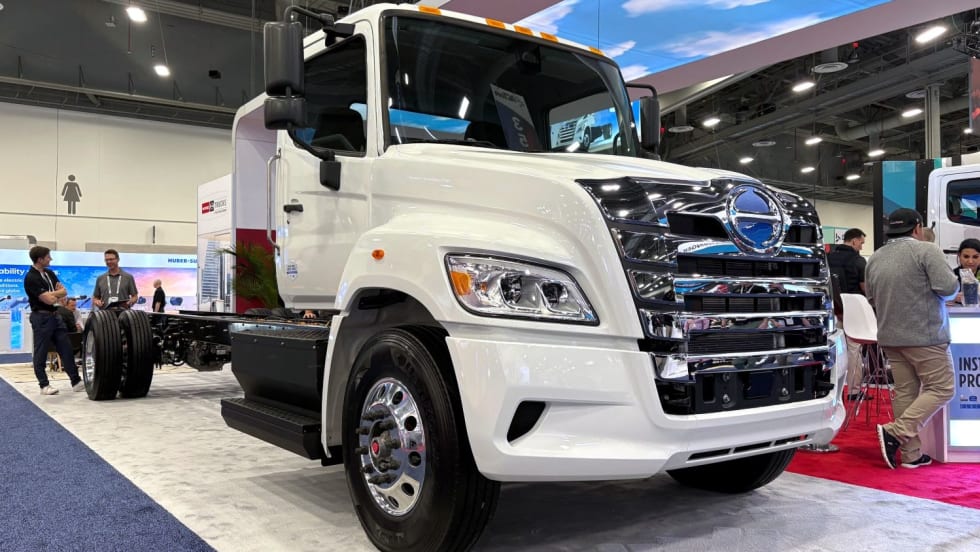
Hino Adds Electric Class 6/7 Truck
Hino says the Le Series is an important step in the company's efforts to reduce environmental impact and support its customers’ sustainability goals.
Read More →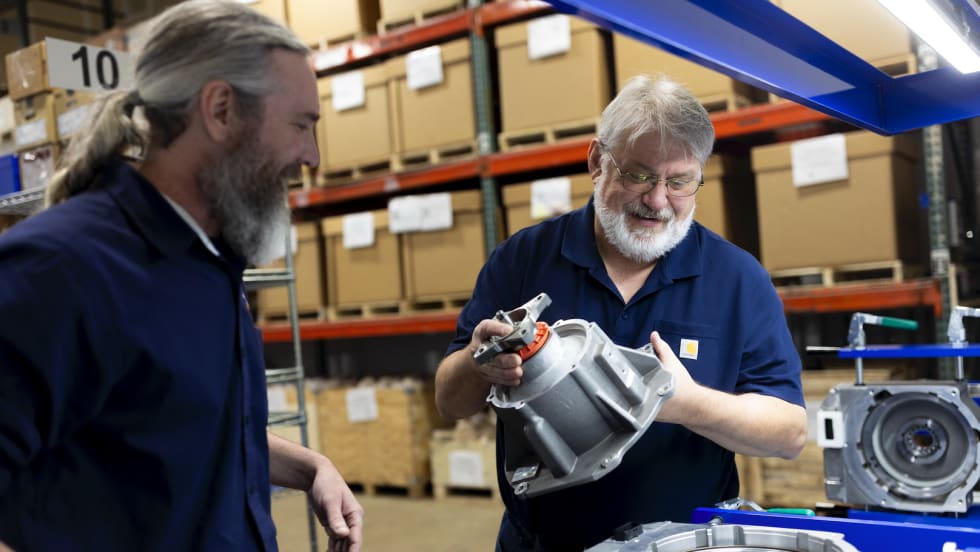
Can Multi-Speed EV Transmissions Solve Heavy Trucking’s Biggest Electric-Vehicle Problems?
A startup called Sigma Powertrain believes purpose-built multi-speed gearboxes can boost efficiency, reduce battery size and improve gradeability for heavy-duty battery-electric trucks.
Read More →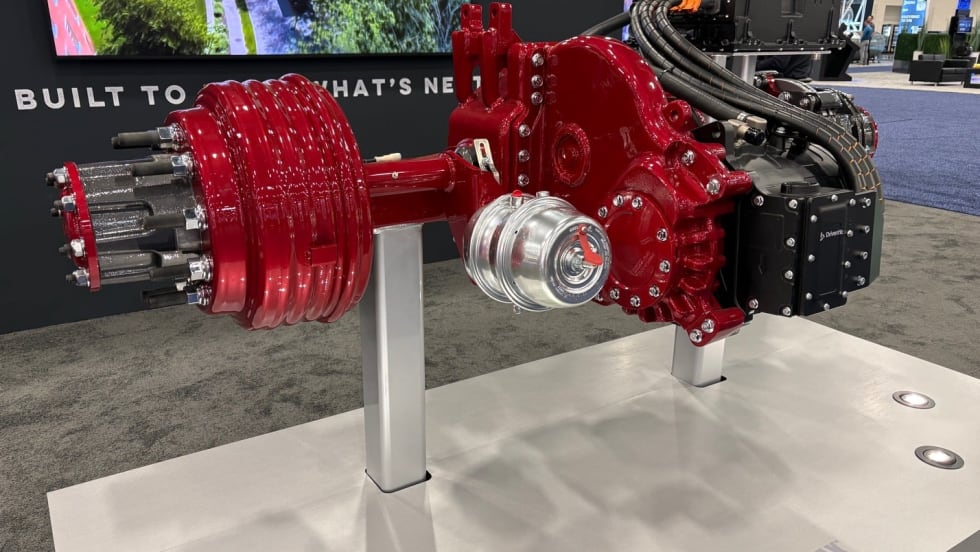
Hendrickson Debuts Electraax E-Axle for Medium-Duty Trucks
Developed with Driventic, Hendrickson's new integrated e-axle is designed to improve efficiency, reduce weight, and extend range in Class 6-7 EV applications.
Read More →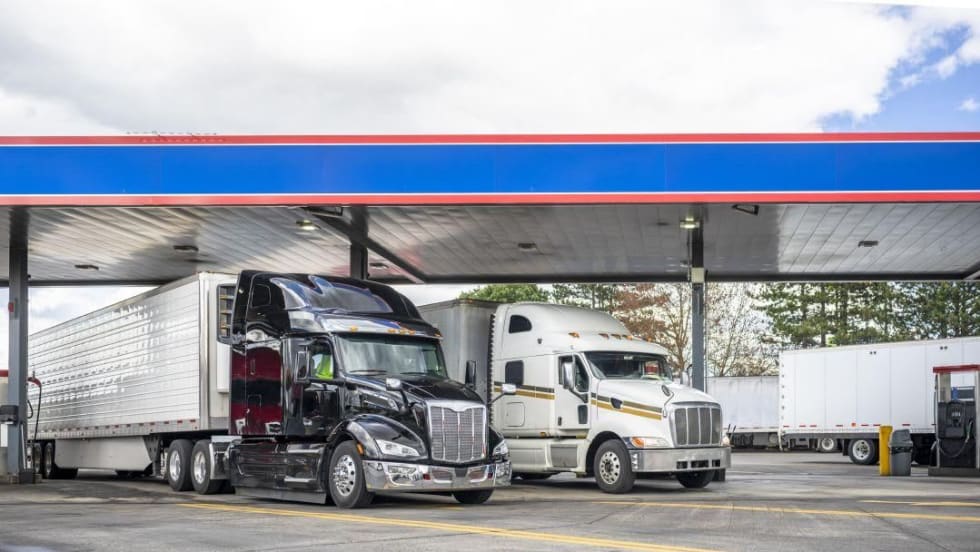
50 Ways Fleets Can Cut Fuel Costs Now — Without Buying New Trucks
Fuel savings don’t come from one big change. They come from dozens of small ones. Here’s how leading fleets are stacking gains across drivers, routing, maintenance, and more.
Read More →
Top Green Fleets 2026: How Fleets Are Reducing Emissions in the Real World
What works in sustainable trucking today? Heavy Duty Trucking's Top Green Fleets are finding practical ways to cut fuel use, reduce emissions, and keep freight moving.
Read More →
California Launching $1 Billion Electric Truck Rebate Program
CARB says the California Clean Fuel Reward program will begin offering point-of-sale rebates of up to $120,000 for electric commercial trucks starting June 26.
Read More →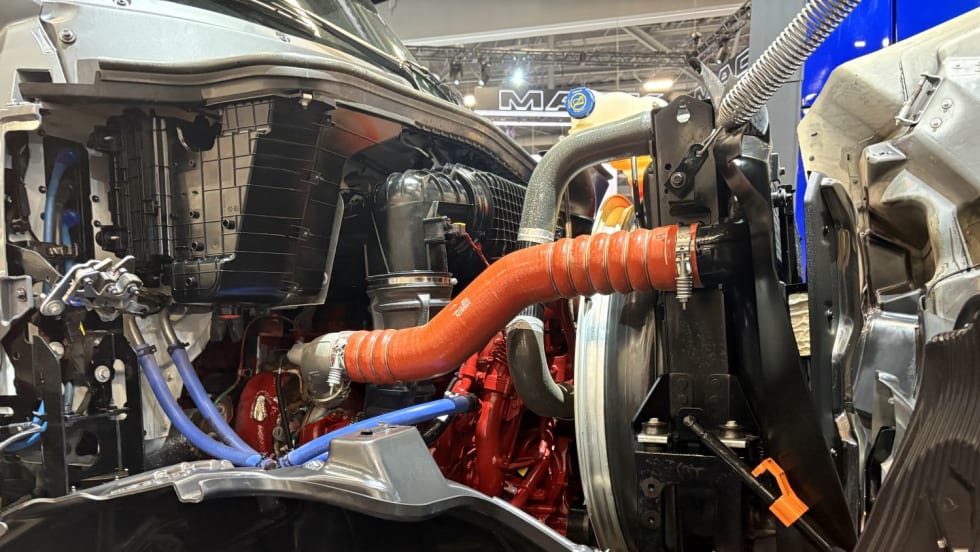
Mack Unveils EPA 2027-Compliant MP13 Engine With More Power, Better Fuel Economy
Along with unveiling its EPA 2027-compliant MP13 engine, Mack outlined powertrain changes across its Class 6-8 lineup, including new Cummins-based X10 engines.
Read More →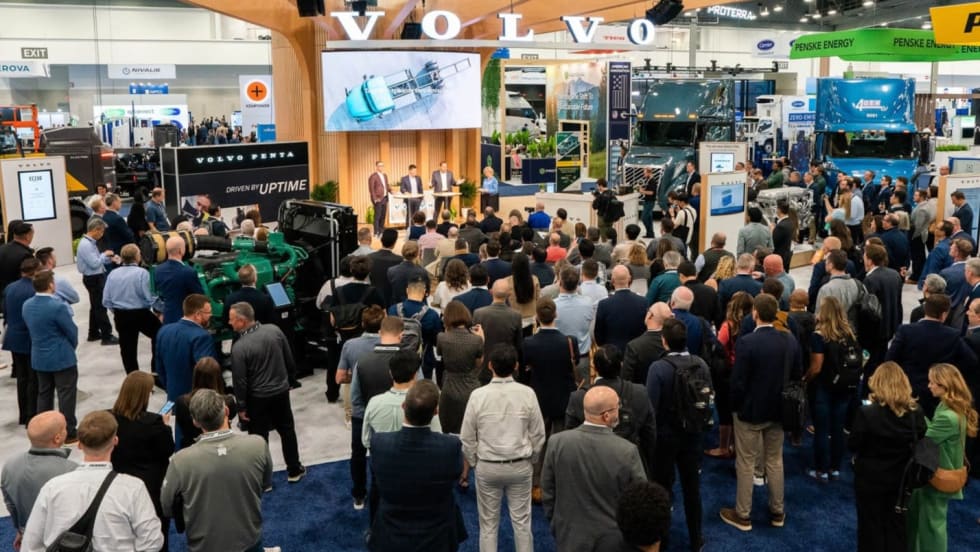
How Volvo’s New D13 Engine Meets EPA 2027 Emissions Without Sacrificing Power or Fuel Efficiency
Volvo says advances in combustion and aftertreatment helped its new EPA 2027 D13 engine avoid the fuel-economy penalties many once expected from tighter NOx emissions limits.
Read More →