




Traffic Congestion Increasing After Declining Two Straight Years
Traffic congestion on U.S. roadways is back after two consecutive years of declines, with traffic congestion up 4% in the first quarter compared to 2012, according to traffic information provider Inrix in its sixth Traffic Scorecard Annual Report.
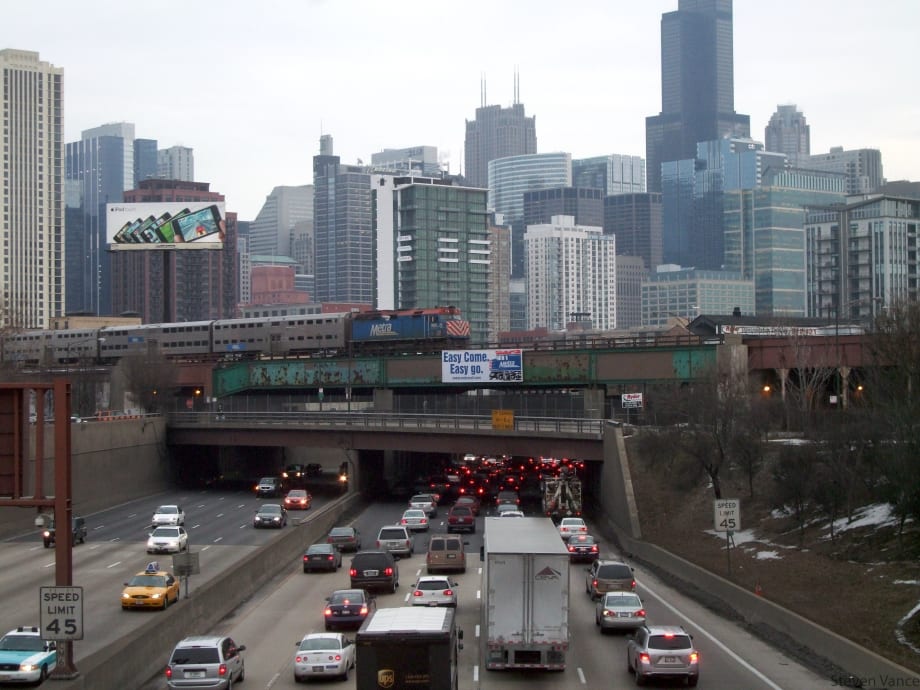
Traffic congestion on U.S. roadways is back after two consecutive years of declines, with traffic congestion up 4% in the first quarter compared to 2012, according to traffic information provider Inrix in its sixth Traffic Scorecard Annual Report.
The good news, it says, “This suggests that after a tumultuous economic year in 2012, the economy is back on the mend, bringing increased traffic congestion."
Inrix says the uptick in traffic congestion in 2013 follows a 22% decrease in 2012 and the "stop and go" nature of the results indicate an overall economic climate that has not yet returned to pre-recession levels in many areas, including total jobs and unemployment rates.
"Fears over recurring fiscal deadlines and ongoing debt issues last year likely fueled declines in traffic congestion, with businesses and consumers alike taking a 'wait and see' approach," said Bryan Mistele, Inrix president and chief executive officer. "While bad news for drivers, the gains we've seen in the U.S. and a few countries in Europe in 2013 are cause for some optimism about the direction of the economy."
The company says in 2013, traffic congestion in the U.S. increased each month for the first three months of the yea, the first such consecutive month increase in two years. This increase is in line with a steady increase in employment in the first three months of 2013.
It also found so far this year, 61 of America's top 100 most populated cities have experienced increased traffic congestion, a dramatic shift from 2012, where only six cities experienced increases and 94 saw decreases.
By analyzing traffic in the nation's 100 largest metropolitan areas in 2012, INRIX revealed that commuters wasted an average of 42 hours in America's top 10 worst traffic cities – the equivalent to one week of vacation.
Los Angeles has the most time lost due to congestion, 59 hours, a 6% increase in the first quarter of the year from the same time in 2012. It was followed by Honolulu; San Francisco; Austin, Texas; New York City; Bridgeport, Conn.; San Jose, Calif.; Seattle; Washington, D.C. and Boston. All but Washington, D.C. reported increases of between 3% and 30%, with D.C. registering a 5% decline in hours lost in traffic congestion.
Findings also exposed that drivers wasted an average of 62 hours last year on America's most congested roads.
The top 10 worst roads for traffic in 2012 were:
1. The Cross Bronx Expressway (New York: I-95 SB) – Drivers on New York's worst highway waste over six days each year in traffic.
2. The San Diego Fwy (L.A.: I-405 SB) – Consistently jammed in both directions, the 405 is LA's worst freeway; the 8.1-mile stretch leading to Mullholland Dr. takes drivers over 50 minutes on Tuesday mornings – the worst day and time of the week.
3. The Van Wyck Expy (New York: I-678 SB) – On Thursdays between 4-5 p.m., drivers crawl at 10 mph, and it takes nearly 40 minutes to travel 6 miles.
4. The Santa Monica Fwy (L.A.: I-10 EB) – It can take drivers up to over an hour (63 min) to navigate the 15-mile stretch from Lincoln Blvd. to Alameda.
5. The Riverside Fwy (L.A.: CA-91 EB) – Drivers waste approximately six days per year in gridlock on this road.
6. The Long Island Expy (New York: I-495 EB) – New Yorkers waste more than a half hour per day on the evening commute in traffic on the L.I.E.
7. Brooklyn Queens Expy (New York: I-278 WB) – It takes approximately an hour to go 10 miles on this highway during the Tuesday evening commute.
8. San Diego Fwy (L.A.: I-405 NB) –A 13-mile stretch up to Getty Center Drive takes 40 minutes at a crawl of 20 mph.
9. The Dan Ryan/Kennedy Expy (Chicago: I-90/I-94 WB) – Chicago commuters waste approximately one work week (5 days) every year in traffic on this popular road to O'Hare Airport
10. The Santa Ana/Golden St. Fwy (L.A. I-5 SB) – An 18-minute trip on this 17-mile stretch takes almost 50 minutes on weekday afternoons
Additionally, the scorecard uncovered several other interesting trends regarding national commute times during rush hour. The worst times to be on the roads in terms of delay are weekday mornings between 7-8 a.m. and weekday evenings between 4-5 p.m. The busiest morning commute hour is Tuesday from 8-9 a.m., and the busiest evening commute takes place on Friday from 5-6 p.m.
More Drivers
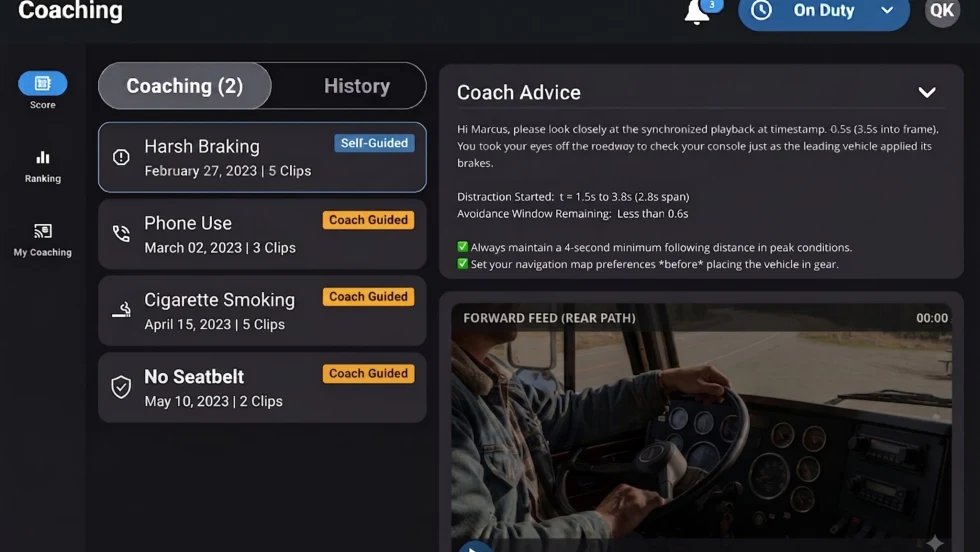
Platform Science Adds Dispatch and Safety Tools
Four additions to PS Fleet help fleets monitor loads, manage driver coaching, share truck locations and adjust video system settings.
Read More →
When Language Stops the Truck: The Return of ELP Out-of-Service Orders
English language proficiency rules for commercial drivers aren’t new, but renewed out-of-service enforcement has raised the stakes. Here’s what carriers need to know before a driver reaches a roadside inspection.
Read More →
Samsara Launches Custom AI Agent Builder
Agent Studio lets fleets create AI tools for hours-of-service monitoring, reporting and driver support, including agents that communicate by phone.
Read More →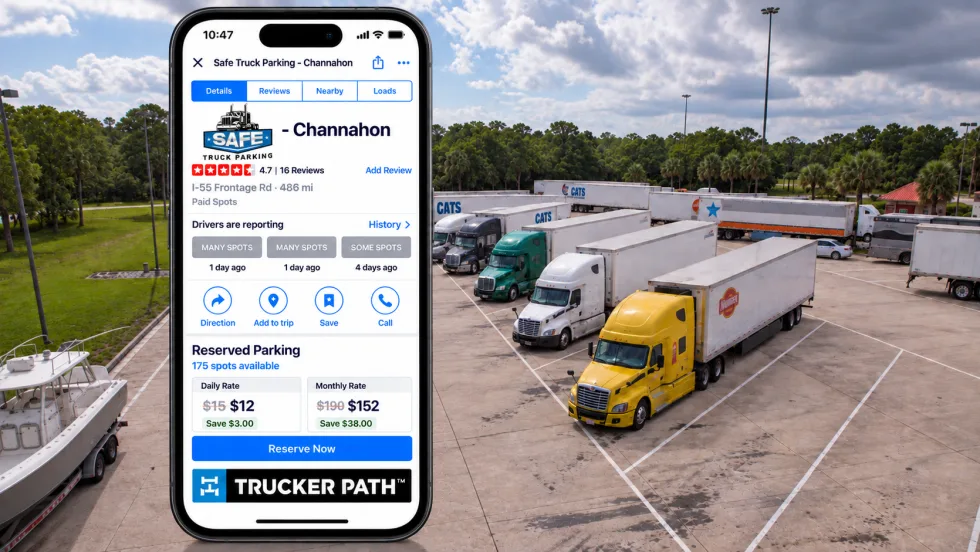
Trucker Path Expands Reserved Parking Network
Trucker Path has added close to 6,000 more truck parking spaces to its Trucker Path Reserved Parking Network with the addition of Safe Truck Parking.
Read More →
EEOC Sues Texas Trucking Company Over Driver Age Limits
The agency says Trancasa USA rejected applicants over 65 and applied tougher driving-record standards to those over 60.
Read More →
Nussbaum, Roehl Announce Second Driver Pay Increase This Year
This year has seen a swath of major truck driver pay increases as freight capacity has tightened.
Read More →
From One Generation to the Next: How Mentorship Builds Safer Truck Drivers
After three decades in trucking, Harold Perry shares what he's learned about driver safety, mentorship, and helping the next generation build confidence behind the wheel.
Read More →
Truck Drivers Need More Than Another Alert
Fleets have more visibility into truck health, safety events, and driver activity than ever. The next challenge is turning all that information into useful guidance for the person who has to decide what to do next.
Read More →
FMCSA Removes 110 Truck Driver Training Schools from Certified ELDT List
Federal regulators also are targeting more than 160 additional training providers and launching a nationwide audit of third-party CDL skills testers as part of a broader crackdown on trucking fraud.
Read More →
Hours of Service Pilot Programs: FMCSA Readies for 2027 Rollout
Two pilot programs could eventually reshape hours-of-service rules, giving truck drivers options to pause their 14-hour clock or use longer split sleeper rest periods.
Read More →