




10 Strategies to Curb Medium-Duty Truck Operating Costs
There is ongoing upward pressure on operating costs for medium-duty truck fleets. Most medium-duty trucks are used in regional and local applications.

There is ongoing upward pressure on operating costs for medium-duty truck fleets. Most medium-duty trucks are used in regional and local applications.
“Increased urbanization, stop-and-go traffic, and worsening road conditions have necessitated more frequent component replacements, particularly brakes and tires,” said Steven Spivey, program leader, North America, Automotive & Transportation for Frost & Sullivan. “Moreover, the introduction of new truck technologies, particularly after-treatment, has brought on additional costs of maintenance.”
Other factors putting upward pressure on operating costs are volatile diesel prices, and escalating tire costs, along with higher parts prices and labor rates. Here are strategies fleets are employing to mitigate these cost increases:
1. Increased use of engine governors in medium-duty trucks. Long a mainstay in heavy-duty trucks, engine governors are increasingly being used in medium-duty trucks.
“Installing a maximum speed limiter on fleet vehicles is an effective solution for eliminating speed-related incidents, such as speeding tickets, aggressive driving, accidents, and complaints from the public,” said Jeff Robley, truck sales manager, railroad markets for ARI. “It also increases a fleet’s fuel economy, makes a fleet run cleaner, and reduces a company’s carbon footprint. With roller coaster fuel prices, budget cutbacks/restraints, and increased pressure to lower operating costs, maximum speed limiters are an alternative to replacing a fleet with expensive hybrid or alternative-fuel technology.”
2. Rightsizing. A growing number of fleets are spec’ing a smaller vehicle more tailored to a driver’s needs while still meeting cargo-carrying needs.
“This results in greater fuel efficiency, lower maintenance cost, and smaller tires. When assessing rightsizing opportunities, your analysis should include hybrid technology, diesel vs. gas analysis, cargo weight, and driver ergonomics,” said Chad Christensen, strategic consultant for GE Capital Fleet Services.
3. Growing acceptance of using remanufactured components. “Faced with budget constraints, fleet managers are looking at cost-effective alternatives for component servicing and replacement, particularly for older trucks,” Spivey said. “While some fleets are opting for inexpensive offshore components, maintenance managers are increasingly looking at remanufactured products to save costs without compromising quality and safety.”
4. Greater specification of disc brakes instead of drum brakes. “There has been a migration from drum brakes to disc brakes in recent years in response to the stopping distance requirements of the federal motor vehicle safety standard — FMVSS 121,” Robley said. “One benefit is that disc brakes are lighter. Also, drum brakes allow heat to build up inside the drum during heavy braking, and the rotor used in disc brakes is fully exposed to outside air. This exposure constantly cools the rotor, greatly reducing its tendency to overheat or cause fading.”
5. Extended-service contracts. The adoption rates for extended-service contracts are increasing due to concerns regarding complex electronics systems, Spivey said.
6. Mitigating higher tire expense. “More fleets are re-looking at the cost benefit of retread tires, with some even looking at retreads for tires smaller than 19.5 inches,” Christensen said. “Other fleets are looking at OEM and aftermarket installation of tire pressure monitoring systems as a means to reduce tire wear and enhance fuel efficiency and are linking this to telematics reporting visibility.”
7. Decrease in average truck age. “Economic softness and improved truck quality has led to fleets retaining their trucks for a longer period, leading to an increase in the average age of medium-duty trucks,” Spivey said. “Aging trucks require more frequent repairs, thus creating upward pressure on the cost of maintenance.”
As fleets return to traditional replacement cycles, it will put downward pressure on maintenance costs and replacement of wear items.
8. Increased use of synthetic and re-refined motor oil. There is a transition to lighter weight synthetic oils to increase drain intervals, enhance fuel mileage, and reduce engine sludge, said Christensen. Another trend is increased use of re-refined and “recycled” lubricants to reduce costs and enhance the fleet’s “green” image, Spivey noted.
9. Shift to LED lighting. LED lighting offers a less electrical current draw on the electrical components and longer life lights, Christensen said.
10. Multipronged approach. Other strategies to reduce operating expenses include revising vehicle specs, modifying driver behavior, implementing in-vehicle telematics, using of lighter-weight upfit materials to improve fuel efficiency, and acquisition of more fuel-efficient models.
More Equipment
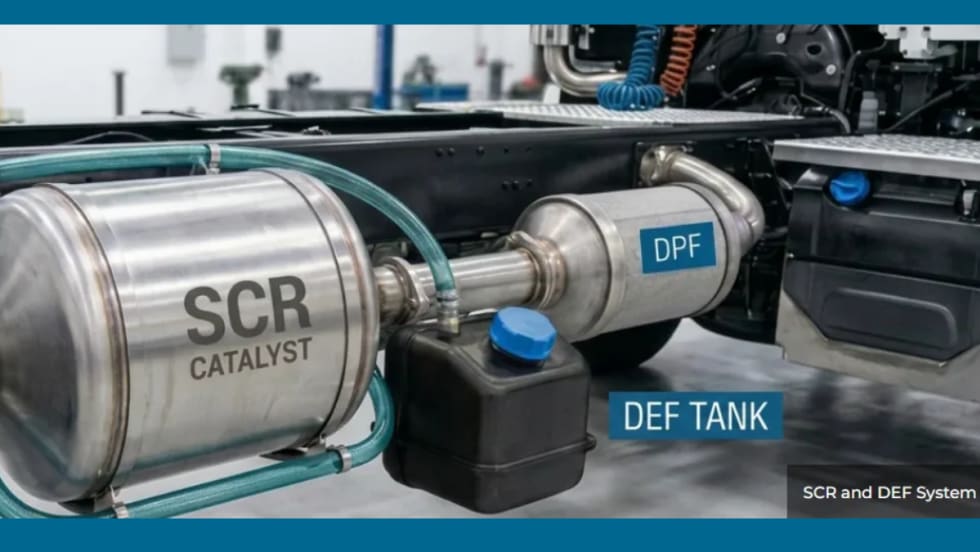
Engine Technology Forum Launches SCR, DEF Resource Center Amid Emissions Debate
The Engine Technology Forum’s new online hub aims to provide fleets, policymakers, and equipment owners with fact-based information about selective catalytic reduction technology, diesel exhaust fluid and emissions compliance.
Read More →
Prime Inc. to Open $7.9M Flagship Used-Truck Dealership
A new driver-focused facility to sell Prime Inc's used trucks and trailers will be the first purpose-built location in the company's history.
Read More →
Lessons Learned About Alternative Fuels: Start Small, Stay Flexible
Practical advice on adopting alternative fuels and ZEVs from HDT's 2026 Top Green Fleets, from renewable diesel and natural gas to electric trucks.
Read More →
Kenworth Names Peter Ahrens General Manager
Leadership changes at Kenworth take effect July 1 as the OEM promotes two longtime Paccar executives to key management roles.
Read More →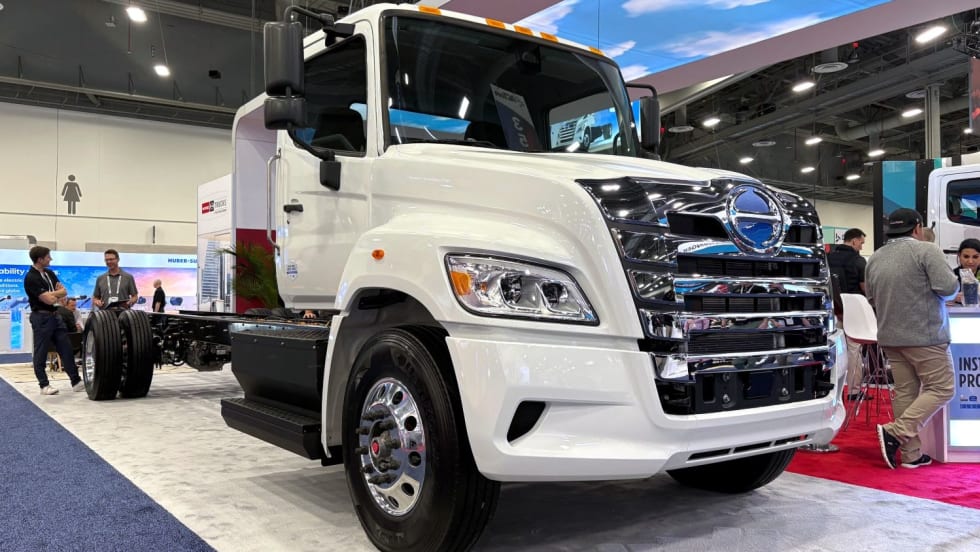
Hino Adds Electric Class 6/7 Truck
Hino says the Le Series is an important step in the company's efforts to reduce environmental impact and support its customers’ sustainability goals.
Read More →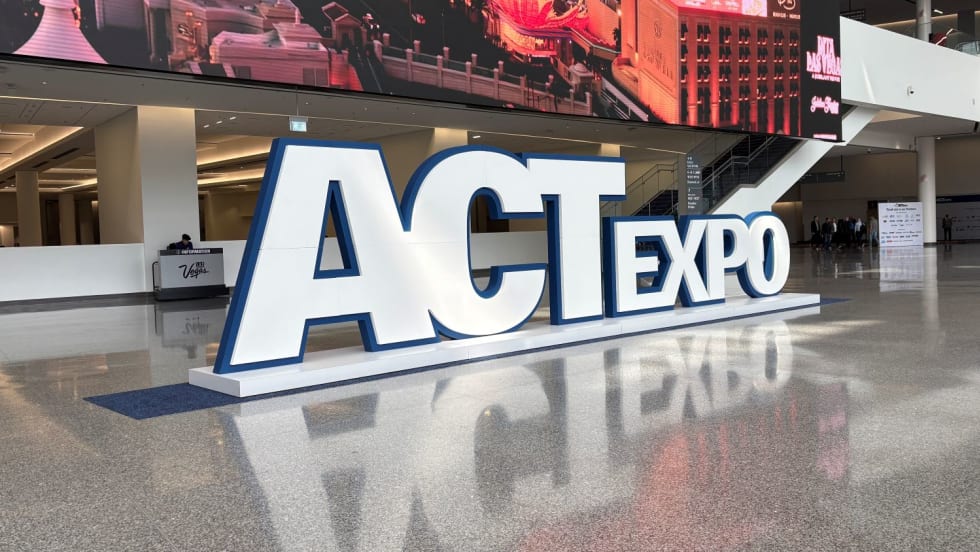
ACT Expo 2026: Highlights in Photos
The 2026 Advanced Clean Transportation Expo featured a broad range of commercial vehicle technologies, from EVs to autonomous trucks to the latest diesel and alternative-fuel engines.
Read More →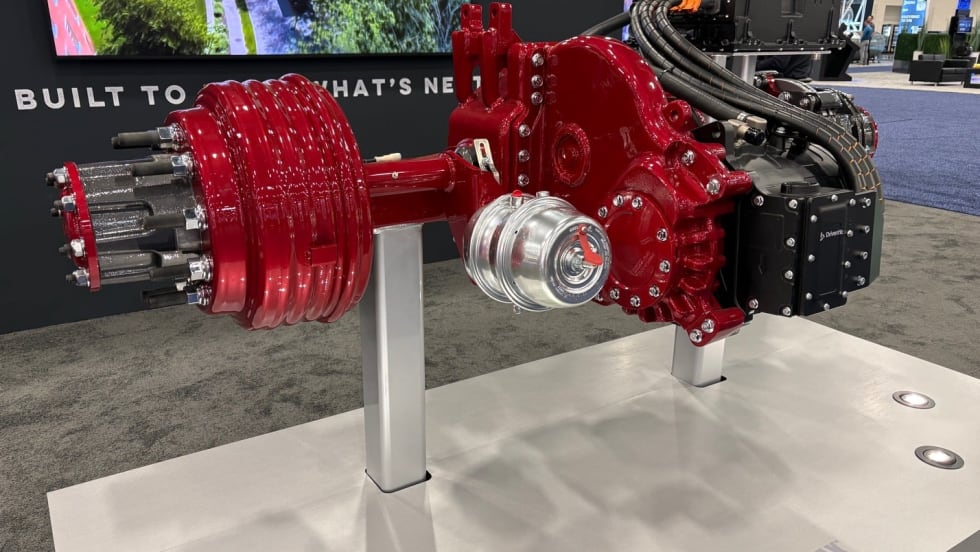
Hendrickson Debuts Electraax E-Axle for Medium-Duty Trucks
Developed with Driventic, Hendrickson's new integrated e-axle is designed to improve efficiency, reduce weight, and extend range in Class 6-7 EV applications.
Read More →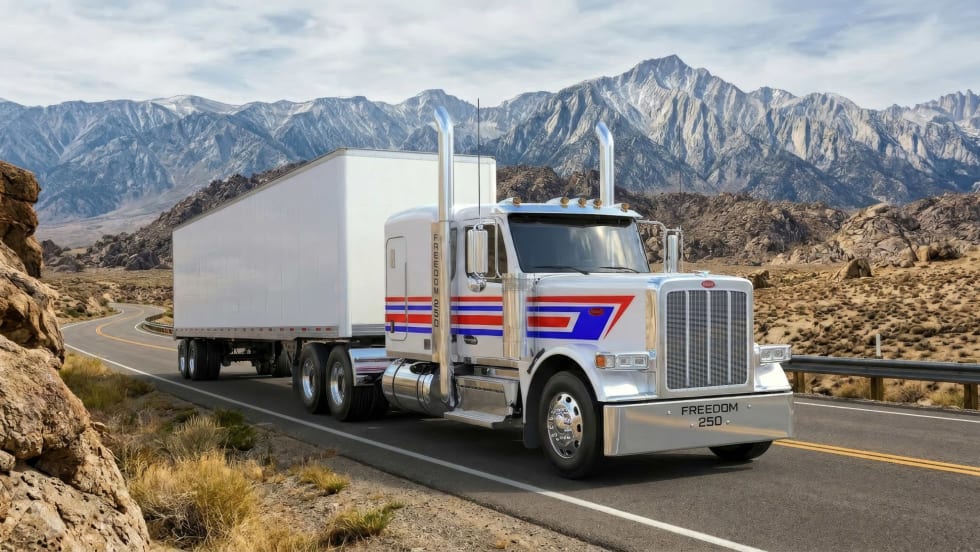
Peterbilt Unveils Freedom 250 Special Edition Model 589
Peterbilt’s just-announced limited-run patriotic Model 579 tractor celebrates America’s 250th birthday with custom styling and premium features.
Read More →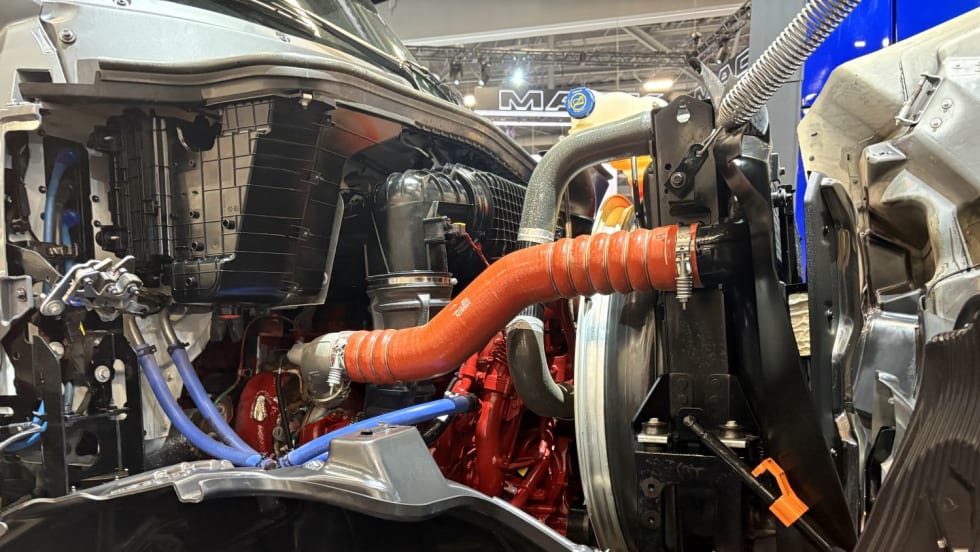
Mack Unveils EPA 2027-Compliant MP13 Engine With More Power, Better Fuel Economy
Along with unveiling its EPA 2027-compliant MP13 engine, Mack outlined powertrain changes across its Class 6-8 lineup, including new Cummins-based X10 engines.
Read More →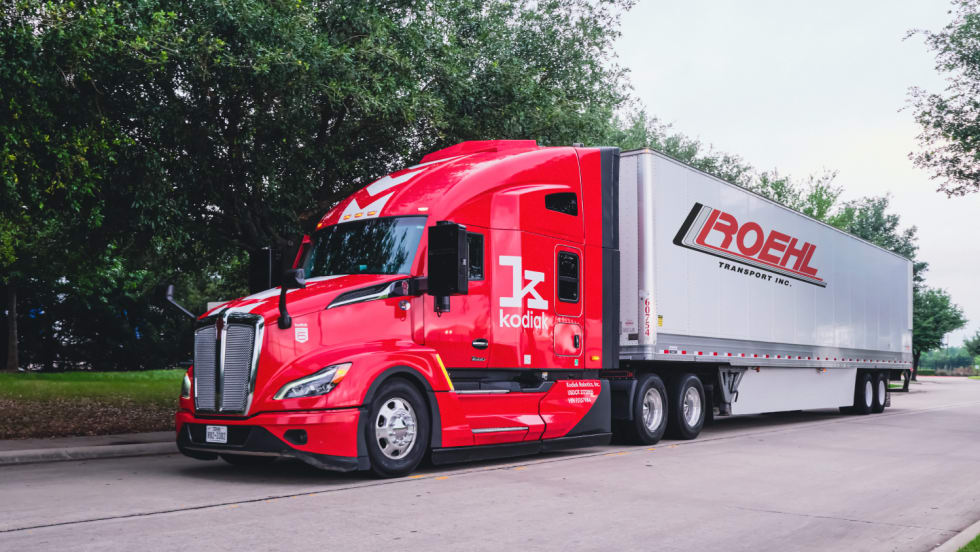
Kodiak and Roehl Transport Launch Autonomous Route Between Dallas and Houston
Kodiak AI and Roehl Transport have begun autonomous freight operations on a regular Dallas-Houston route, marking another step toward Kodiak’s planned driverless launch by the end of 2026.
Read More →