




Surface Trade with Canada and Mexico Up 6.2% in 2012
Trade using surface transportation modes between the United States, Canada and Mexico rose by 6.2% in 2012 compared to 2011. The value of $960 billion was the highest since the North American Free Trade Agreement went into effect in 1994.
Trade using surface transportation modes between the United States, Canada and Mexico rose by 6.2% in 2012 compared to 2011. The value of $960 billion was the highest since the North American Free Trade Agreement went into effect in 1994.
The Bureau of Transportation Statistics of the U.S. Department of Transportation reported that U.S. imports by surface mode increased 5.6% in 2012 from 2011, while exports increased 6.9% during the same period.
During the recession period of December 2007 to June 2009, U.S. trade carried by surface modes to and from Mexico declined less than trade with Canada and also rebounded faster.
In 2012, 86.5% of U.S. merchandise trade by value with Canada and Mexico entered or exited the country by surface mode of transportation.
Total North American surface transportation trade is up by 50.8% since 2009, when U.S.-NAFTA trade fell to a recent low during the recession.
U.S.-Canada surface transportation trade totaled $556.2 billion in 2012, an increase of 3.6 percent compared to 2011.
U.S.-Mexico surface transportation trade totaled $403.9 billion in 2012, an increase of 10% compared to 2011.
In both Canadian and Mexican trade, the value of goods transported by rail had the highest year to year increase.
More Fleet Management
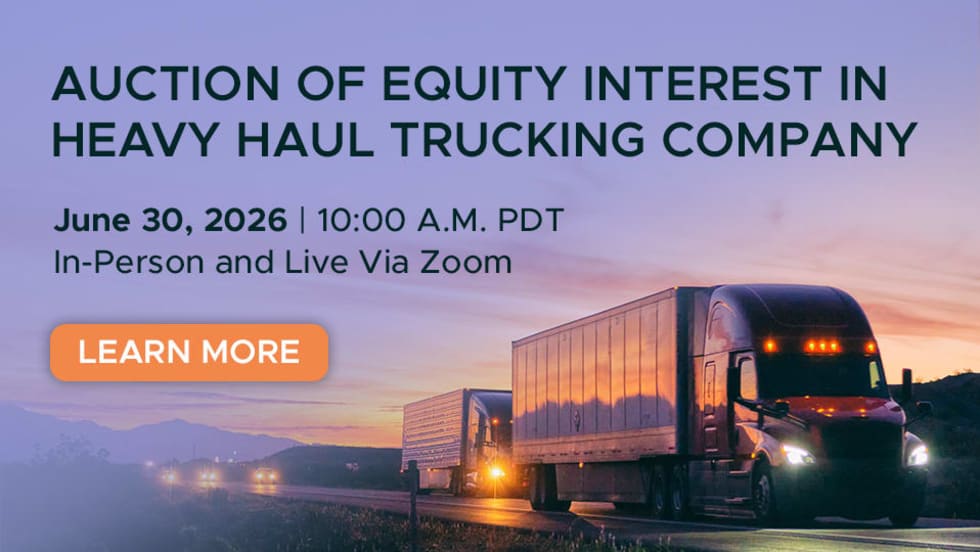
AUCTION OF EQUITY INTEREST IN HEAVY HAUL TRUCKING COMPANY!!
Mark your calendar: June 30, 2026 (10:00 a.m. PDT). MagnaTrans, LLC, a California limited liability company doing business as Magna Transportation Group is going to auction! Bid on a 37.5% ownership interest in this Rancho Cucamonga-based heavy haul and over-dimensional trucking company operating across California, Oregon, and Arizona. The equity interest will be sold to the highest bidder or bidders under Article 9 of the Uniform Commercial Code at 10:00 a.m. PDT.
Read More →
Volvo Trucks Adds Unattended Over-the-Air Software Update Capabilities
The latest evolution of Volvo’s over-the-air update technology allows software updates to run while trucks are parked, helping fleets keep vehicles current without disrupting operations.
Read More →
How Waste Connections is Using Data, Telematics, and AI
How do you manage and maintain more than 18,000 connected trucks? Data. Lots of it.
Read More →
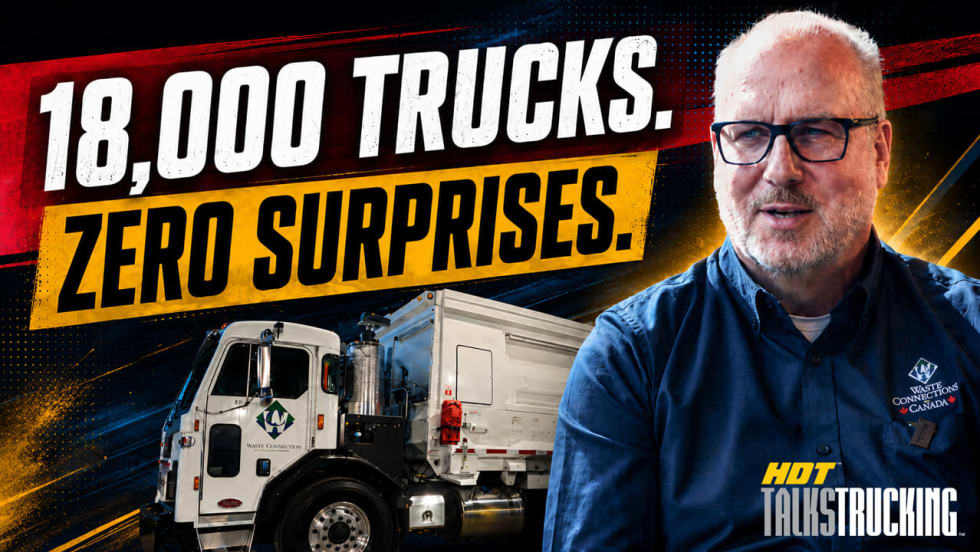
Why Fleet Data Matters More Than Ever at Waste Connections [Watch]
Waste Connections' Chuck Palmer explains how telematics, predictive maintenance, safety analytics, and AI help keep vehicles on the road and drivers safe in this episode of HDT Talks Trucking.
Read More →
NMFTA Launches Free, Anonymous Cybersecurity Threat Report Portal
Organizations are encouraged to anonymously report freight fraud, cargo crime, and cyber threats while gaining visibility into incidents reported across the transportation sector.
Read More →
AI Can Optimize a Fleet. Can It Replace Human Judgment?
Fleets fear falling behind if they don’t adopt AI quickly enough. They also fear what happens if the technology makes the wrong decision.
Read More →
Jamie Hagen Gets Real About Running a Small Fleet in an Uncertain Economy
Small fleet owner Jamie Hagen says new legal risks, volatile fuel prices, and a changing freight market are forcing small carriers to rethink how they operate — and what they can afford.
Read More →
Jamie Hagen Gets Real About Freight, Fuel Prices, Safety, and Small-Fleet Survival
Running a small trucking fleet right now isn’t easy, especially right now. And Jamie Hagen doesn’t sugarcoat it.
Read More →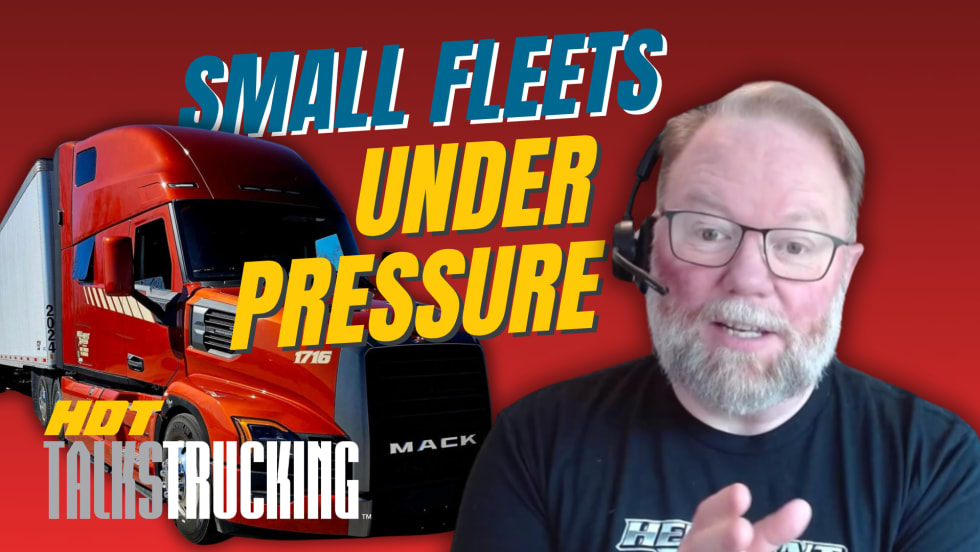
Jamie Hagen Gets Real About Freight, Fuel Prices, Safety, and Small-Fleet Survival
Running a small trucking fleet right now isn’t easy, especially right now. And Jamie Hagen doesn’t sugarcoat it.
Read More →
Data Lock‑In or Integration Lock‑Out?
Data fragmentation is costing dealerships, OEMs, fleets, and upfitters millions. Here’s why interoperability may be the fix the trucking industry needs.
Read More →