




Environmental Defense Fund to Study Fugitive Methane from LNG Fueling Operations
Climate scientists have suggested that methane leakage during filling and transfer operations, possible with a wide-scale switch from diesel to natural gas as heavy truck fuel, could contribute more to global warming than the benefit of switching from diesel to natural gas would achieve.
Researchers at West Virginia University are teaming with the Environmental Defense Fund and eight industry organizations on a two-year, $10 million project to study the extent of methane leakage associated with the routine operation of heavy-duty natural gas vehicles, and to identify specific actions needed to bring these emissions down.
With the U.S. trucking industry on the verge of a significant migration to natural gas vehicles, by 2020, 40% of new class 7 and 8 trucks sold could run on natural gas. Climate scientists have suggested that methane leakage during filling and transfer operations, possible with a wide-scale switch from diesel to natural gas as heavy truck fuel, could contribute more to global warming than the benefit of switching from diesel to natural gas would acheive.
Methane is the main ingredient in natural gas and a GHG pollutant many times more potent than carbon dioxide (CO2), the principal contributor to man-made climate change. Even small amounts of methane leakage across the natural gas supply chain can undermine the climate benefit of switching to natural gas from other fossil fuels for some period of time.
In a paper published last year, EDF scientists and other leading researchers examined the impact of potential fugitive emissions on the climate benefits of a switch from diesel to natural gas heavy-duty trucks.
According to the best available data, methane leak rates would need to be below 1% of gas produced in order to ensure that switching from diesel to natural gas produces climate benefits at all points in time. They also found that – using the EPA leakage rate estimates at that time – converting a fleet of heavy duty diesel vehicles to natural gas would result in increased climate warming for more than 250 years before any climate benefits were achieved.
"Currently, there is no empirical data on methane leaks associated with natural gas vehicles, only estimates, says EDF Chief Scientist, Steve Hamburg. "In order to fully understand the scope of the matter, and what the opportunity is to minimize methane emissions during the operation and refueling of natural gas vehicles, hard data is needed. This study brings together multiple, key stakeholders to advance methane science with measurements taken under real-world conditions. This information will help shape the public debate of the role that the increased usage of natural gas vehicles can have on our transportation sector.”
EDF is working with leading researchers and companies in a series of studies designed to better understand and characterize the methane leak rate across the natural gas supply chain. The studies will take direct measurements at various points across the production, gathering and processing, long distance transmission and storage, local distribution, and transportation. The first study, led by researchers at the University of Texas, is measuring emissions from natural gas production. Results will be released in the coming months.
More Fuel Smarts
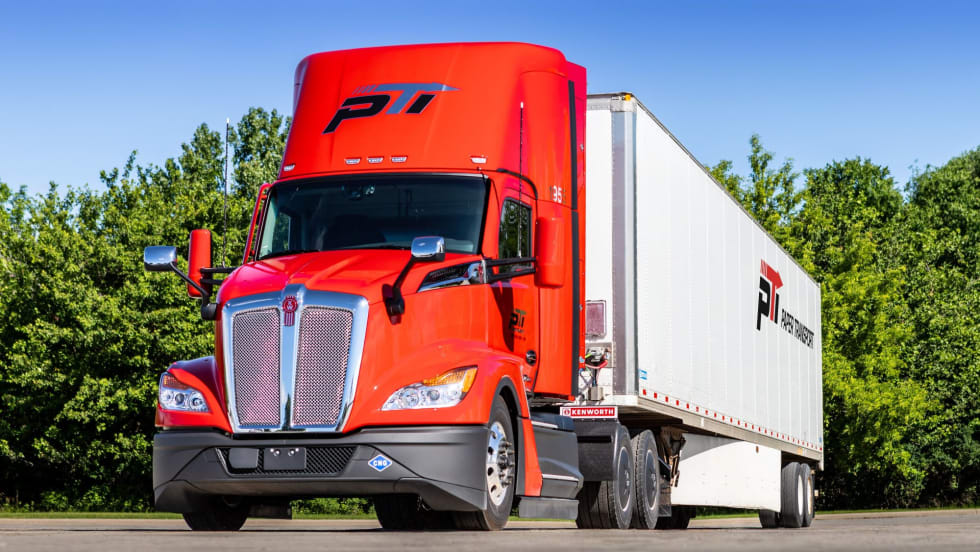
Lessons Learned About Alternative Fuels: Start Small, Stay Flexible
Practical advice on adopting alternative fuels and ZEVs from HDT's 2026 Top Green Fleets, from renewable diesel and natural gas to electric trucks.
Read More →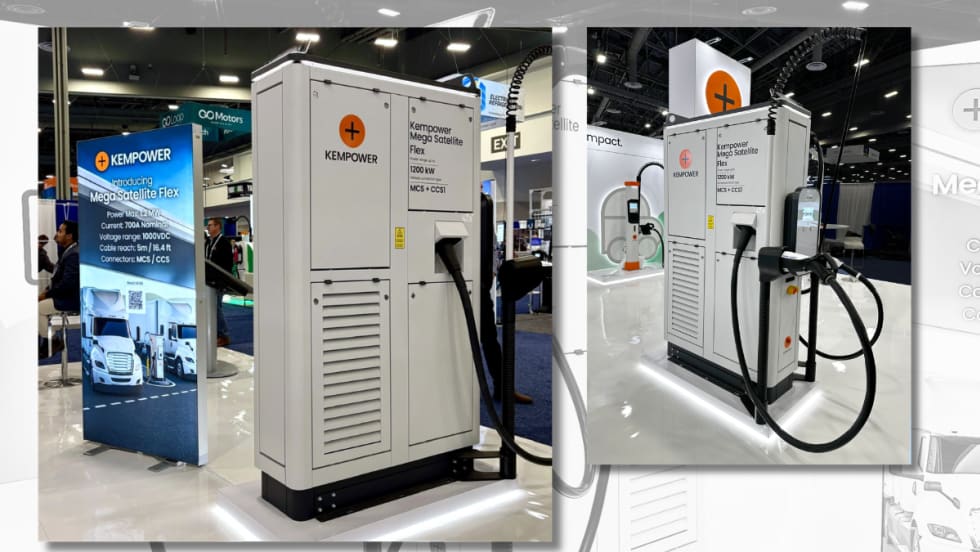
Kempower Adds Flex EV Charger to Help Support Transition to Megawatt Charging
The Kempower Mega Satellite Flex has both a CCS and MCS connector, allowing operators to serve both types of heavy-duty vehicles.
Read More →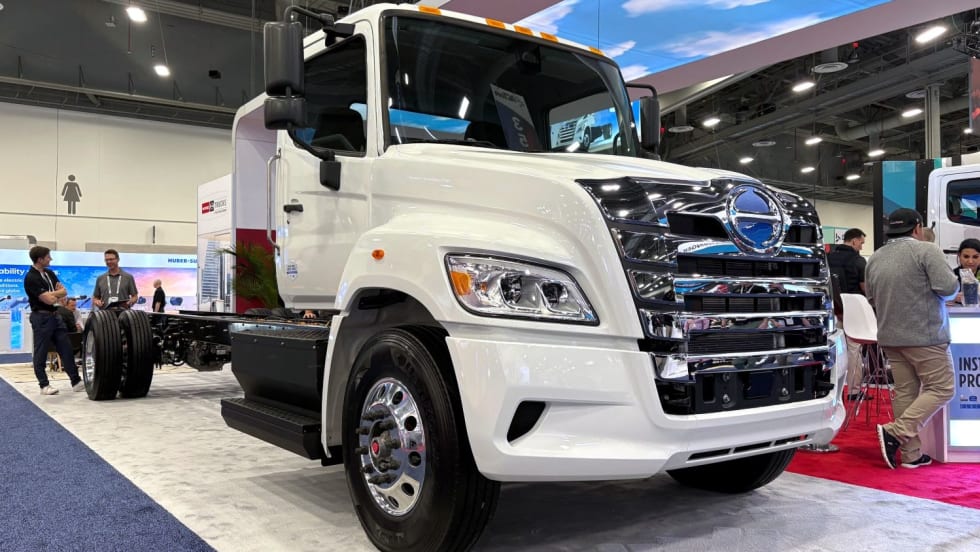
Hino Adds Electric Class 6/7 Truck
Hino says the Le Series is an important step in the company's efforts to reduce environmental impact and support its customers’ sustainability goals.
Read More →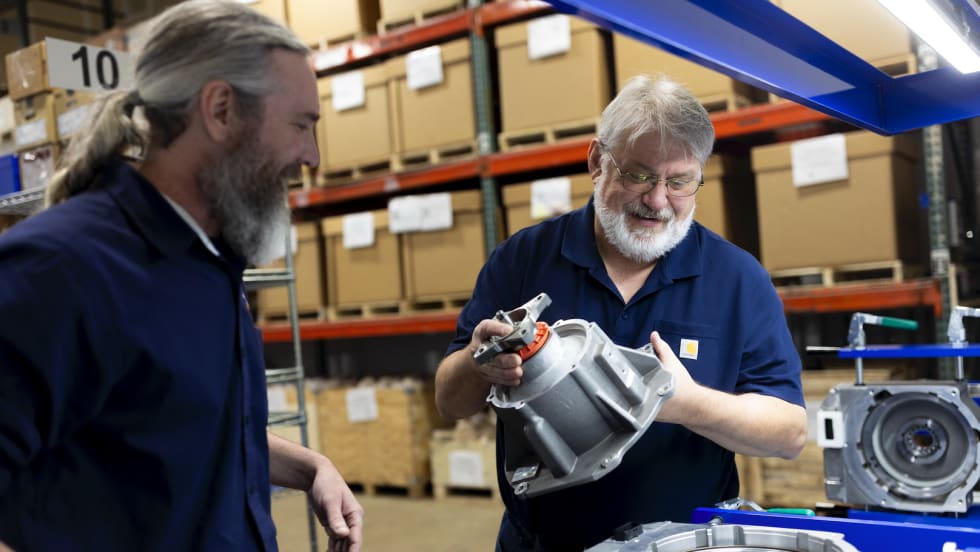
Can Multi-Speed EV Transmissions Solve Heavy Trucking’s Biggest Electric-Vehicle Problems?
A startup called Sigma Powertrain believes purpose-built multi-speed gearboxes can boost efficiency, reduce battery size and improve gradeability for heavy-duty battery-electric trucks.
Read More →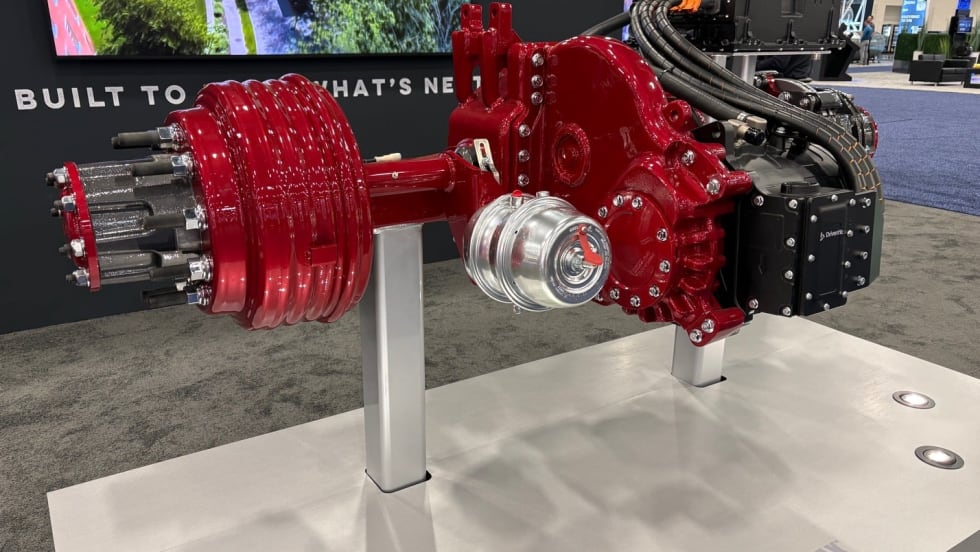
Hendrickson Debuts Electraax E-Axle for Medium-Duty Trucks
Developed with Driventic, Hendrickson's new integrated e-axle is designed to improve efficiency, reduce weight, and extend range in Class 6-7 EV applications.
Read More →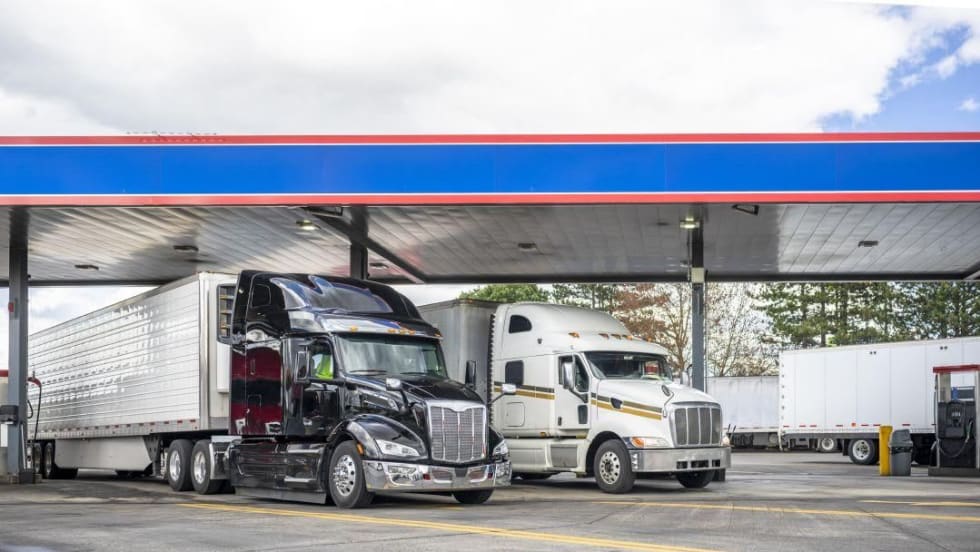
50 Ways Fleets Can Cut Fuel Costs Now — Without Buying New Trucks
Fuel savings don’t come from one big change. They come from dozens of small ones. Here’s how leading fleets are stacking gains across drivers, routing, maintenance, and more.
Read More →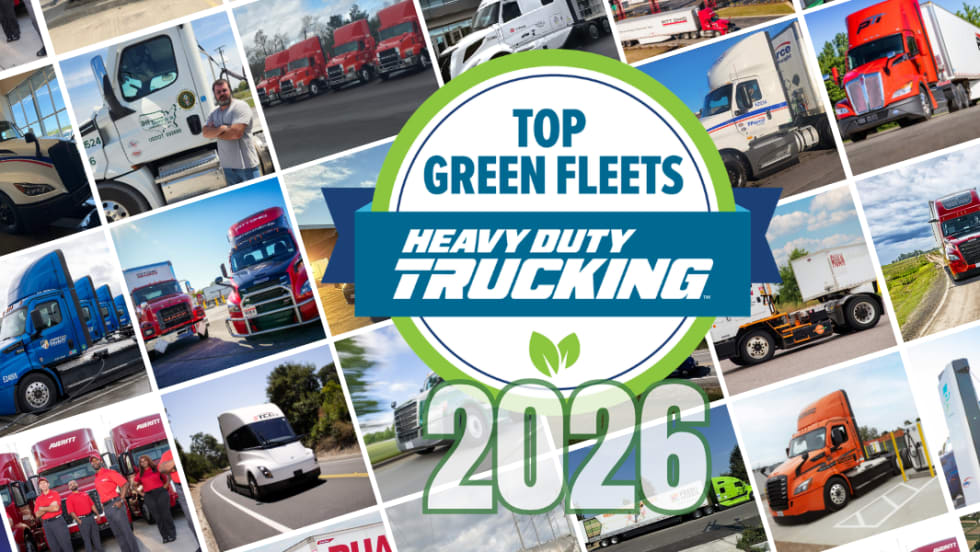
Top Green Fleets 2026: How Fleets Are Reducing Emissions in the Real World
What works in sustainable trucking today? Heavy Duty Trucking's Top Green Fleets are finding practical ways to cut fuel use, reduce emissions, and keep freight moving.
Read More →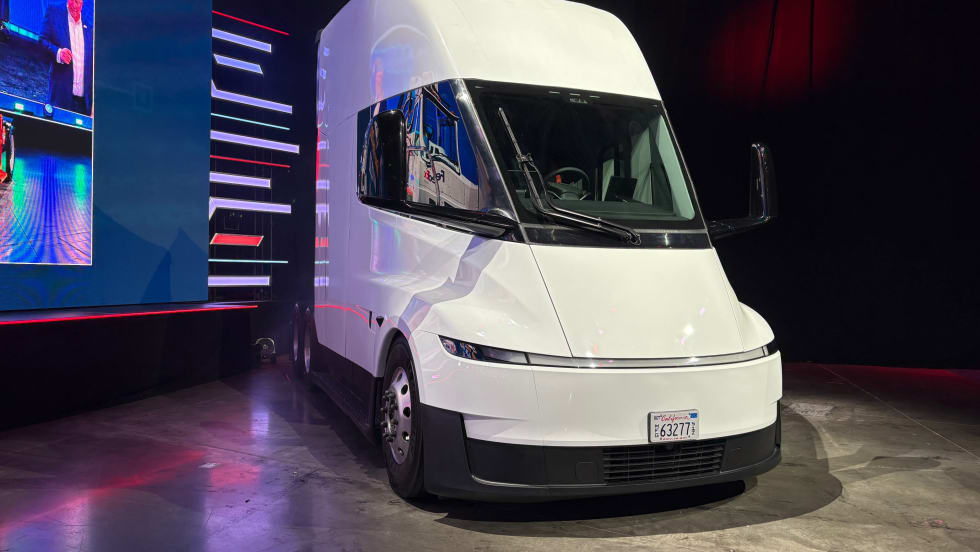
California Launching $1 Billion Electric Truck Rebate Program
CARB says the California Clean Fuel Reward program will begin offering point-of-sale rebates of up to $120,000 for electric commercial trucks starting June 26.
Read More →
Mack Unveils EPA 2027-Compliant MP13 Engine With More Power, Better Fuel Economy
Along with unveiling its EPA 2027-compliant MP13 engine, Mack outlined powertrain changes across its Class 6-8 lineup, including new Cummins-based X10 engines.
Read More →
How Volvo’s New D13 Engine Meets EPA 2027 Emissions Without Sacrificing Power or Fuel Efficiency
Volvo says advances in combustion and aftertreatment helped its new EPA 2027 D13 engine avoid the fuel-economy penalties many once expected from tighter NOx emissions limits.
Read More →