




ATA Criticizes FMCSA Rejection of HOS Delay Request
American Trucking Associations officials criticized the Federal Motor Carrier Safety Administration for rejecting a request to delay implementation of its embattled hours-of-service rule.
American Trucking Associations officials criticized the Federal Motor Carrier Safety Administration for rejecting a request to delay implementation of its embattled hours-of-service rule.
In a letter to the agency, ATA General Counsel Prasad Sharma said that rather than deal in good faith with the substance of ATA’s request, FMCSA hid behind an irrelevant, legalistic analysis. While ATA asked merely for the agency to extend the rule’s implementation deadline—a request the agency could grant so long as there is a reasonable basis to do so—FMCSA’s chief counsel instead analyzed the request as though ATA were asking a court for an injunction forcing the agency to delay.
“So rather than giving ATA’s request its natural reading, FMCSA contrived an analysis under an inapplicable test to critique the sufficiency of ATA’s request,” Sharma wrote.
FMCSA’s rejection, he said, will be costly for the industry and for the enforcement community, if the court rejects any of the challenged provisions of the rule.
“Despite a record of adverse decisions in past hours-of-service litigation,” Sharma wrote, “FMCSA is willing to risk wasting significant training resources – some of it taxpayer money used to train both agency staff and the state enforcement community.”
Based on the agency’s own estimate of the time necessary to train drivers on the new rule, along with software reprogramming and related transition costs published by FMCSA, the trucking industry alone will spend $320 million between now and July 1. And, this cost does not include costs to shippers, receivers and others in the supply chain.
In addition, state enforcement agencies must spend taxpayer money to adapt to the rule changes. If the court agrees, in whole or in part, with ATA that the rule changes at issue must be rejected, those expenditures will have been irrecoverably squandered.
“At a time of rising diesel prices, increased equipment and labor costs, the decision by the head of FMCSA to reject a reasonable request for a brief delay in enforcing this rule is unbelievable,” ATA President and CEO Bill Graves said.
More Drivers
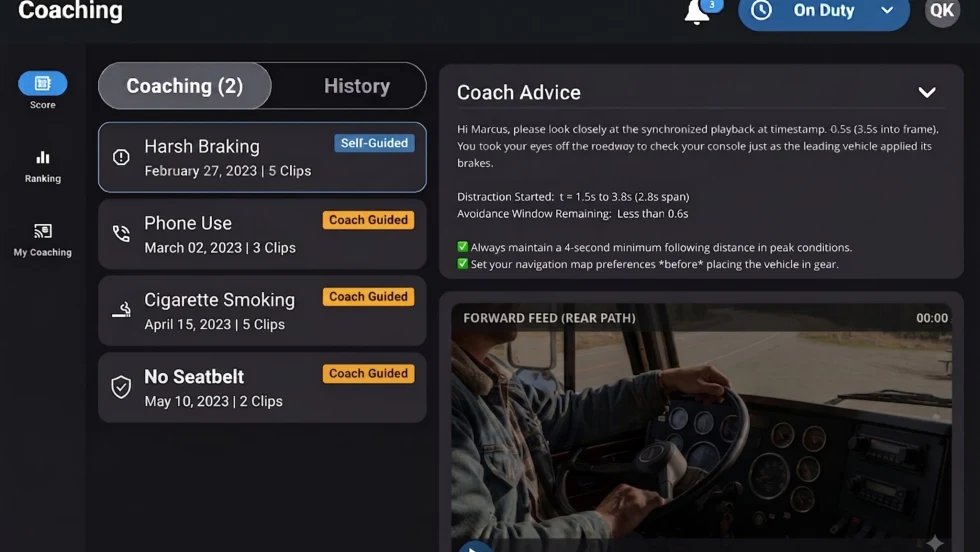
Platform Science Adds Dispatch and Safety Tools
Four additions to PS Fleet help fleets monitor loads, manage driver coaching, share truck locations and adjust video system settings.
Read More →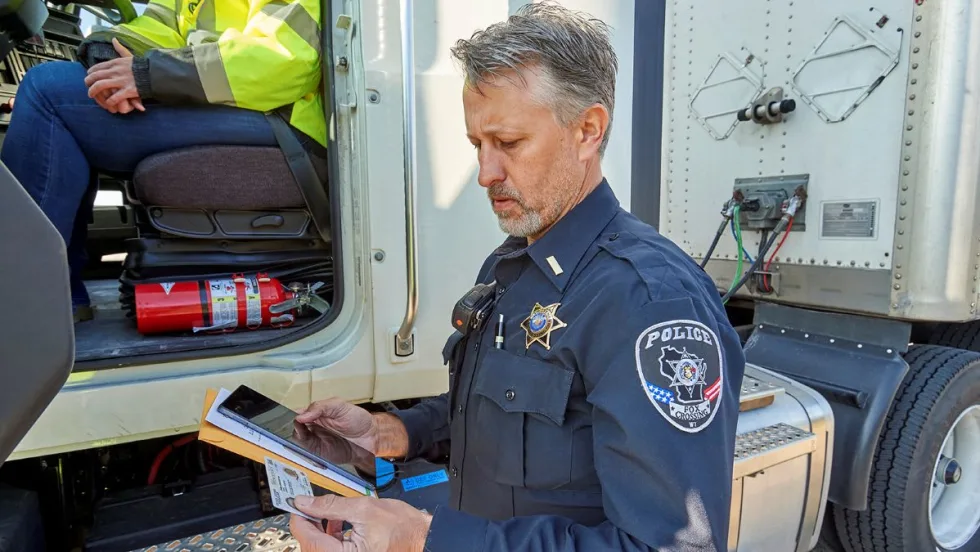
When Language Stops the Truck: The Return of ELP Out-of-Service Orders
English language proficiency rules for commercial drivers aren’t new, but renewed out-of-service enforcement has raised the stakes. Here’s what carriers need to know before a driver reaches a roadside inspection.
Read More →
Samsara Launches Custom AI Agent Builder
Agent Studio lets fleets create AI tools for hours-of-service monitoring, reporting and driver support, including agents that communicate by phone.
Read More →
Trucker Path Expands Reserved Parking Network
Trucker Path has added close to 6,000 more truck parking spaces to its Trucker Path Reserved Parking Network with the addition of Safe Truck Parking.
Read More →
EEOC Sues Texas Trucking Company Over Driver Age Limits
The agency says Trancasa USA rejected applicants over 65 and applied tougher driving-record standards to those over 60.
Read More →
Nussbaum, Roehl Announce Second Driver Pay Increase This Year
This year has seen a swath of major truck driver pay increases as freight capacity has tightened.
Read More →
From One Generation to the Next: How Mentorship Builds Safer Truck Drivers
After three decades in trucking, Harold Perry shares what he's learned about driver safety, mentorship, and helping the next generation build confidence behind the wheel.
Read More →
Truck Drivers Need More Than Another Alert
Fleets have more visibility into truck health, safety events, and driver activity than ever. The next challenge is turning all that information into useful guidance for the person who has to decide what to do next.
Read More →
FMCSA Removes 110 Truck Driver Training Schools from Certified ELDT List
Federal regulators also are targeting more than 160 additional training providers and launching a nationwide audit of third-party CDL skills testers as part of a broader crackdown on trucking fraud.
Read More →
Hours of Service Pilot Programs: FMCSA Readies for 2027 Rollout
Two pilot programs could eventually reshape hours-of-service rules, giving truck drivers options to pause their 14-hour clock or use longer split sleeper rest periods.
Read More →