



The Unified Registration System, which will reform the way the federal government keeps track of motor carriers, brokers and freight forwarders, is in the final stage of the rulemaking process.
 MENU
MENU SEARCH
The Unified Registration System, which will reform the way the federal government keeps track of motor carriers, brokers and freight forwarders, is in the final stage of the rulemaking process.

The Unified Registration System, which will reform the way the federal government keeps track of motor carriers, brokers and freight forwarders, is in the final stage of the rulemaking process.
The Federal Motor Carrier Safety Administration yesterday sent the final rule to the White House Office of Management and Budget for review. OMB typically takes three months or so to vet agency rules, although the process could be extended if changes are required.
This rule has been in the works for seven years. The new system will replace three legacy identification systems.
Details have not been made public, but the agency was proposing to combine the systems that track identification, registration and financial responsibility into a single, new online system. All registrants would have to update their information every two years.
The proposal also called for all companies registered under the URS to be identified by their Department of Transportation numbers, although motor carriers would be allowed to use their obsolete MC numbers for business and advertising. Carriers would not have to remove that number from their trucks but the agency would encourage them to do that on new or repainted trucks once the rule is final.
Also, the agency would no longer accept or review requests for transfers of operating authority. And private carriers that haul hazardous materials interstate would have to show that they meet financial requirements.
The new URS will be one of a family of rules intended to raise the bar to entry into the business and help keep better track of “chameleon” carriers – those that evade enforcement by re-registering under a different identity.
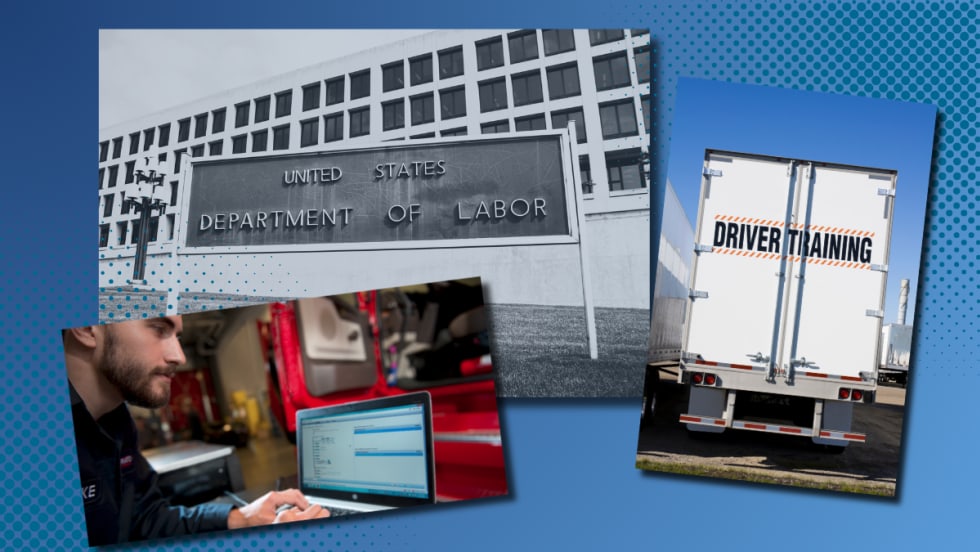
The Department of Labor plans to expand Pell Grant eligibility to some shorter workforce training programs, a move the American Trucking Associations said will help strengthen commercial driver training schools and diesel technician training programs.
Read More →
For an industry that has watched this issue go back and forth for years, the independent contractor proposal marks the latest swing in the regulatory pendulum.
Read More →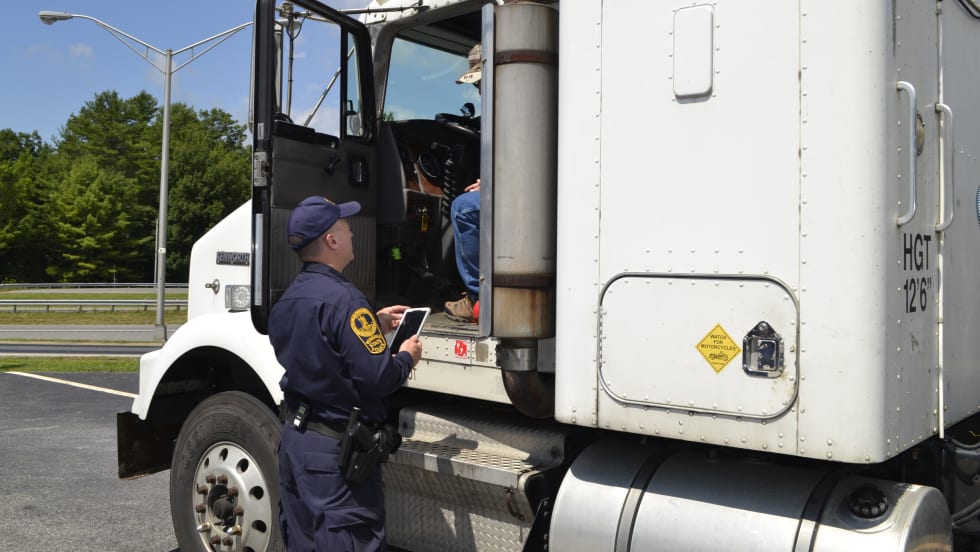
One electronic logging device has been reinstated to the FMCSA's list of registered ELDs.
Read More →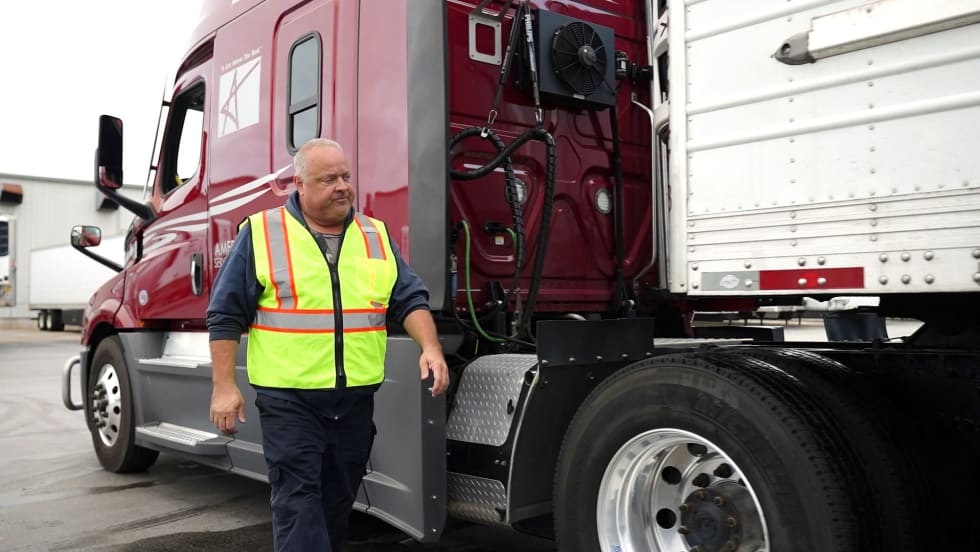
America’s Service Line adopted Link’s SmartValve and ROI Cabmate systems to address whole-body vibration, repetitive strain, and driver turnover. The trucking fleet is already seeing measurable results.
Read More →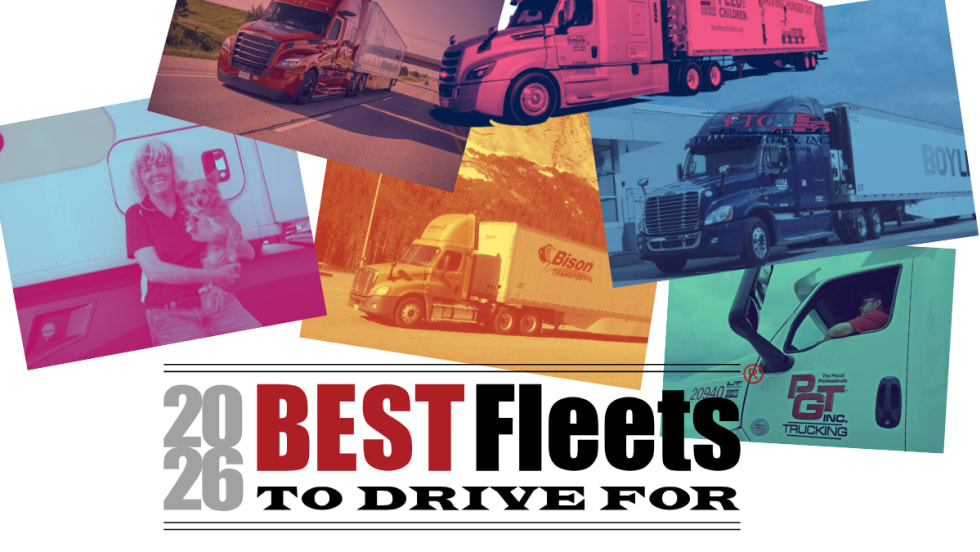
The 18th annual contest recognizing the best workplaces for truck drivers sees changes to Top 20, Hall of Fame
Read More →
The Federal Motor Carrier Safety Administration issued more than 550 notices of proposed removal to commercial driver training providers following a five-day nationwide enforcement sweep. Investigators cited unqualified instructors, improper training vehicles, and failure to meet federal and state requirements.
Read More →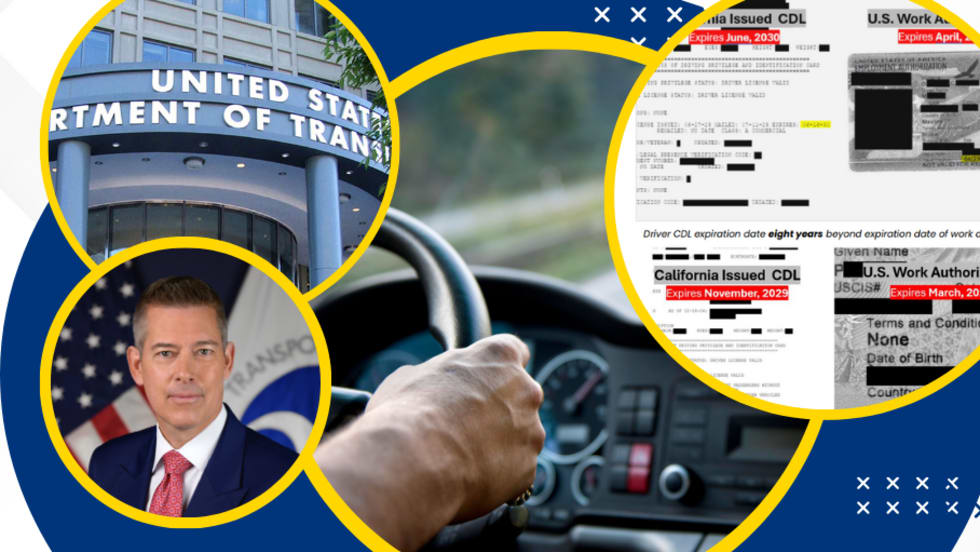
Illinois is the latest state targeted and threatened with the loss of highway funding by the U.S. Department of Transportation in its review of states' non-domiciled CDL issuance procedures. The state is pushing back.
Read More →After a legal pause last fall, FMCSA has finalized its rule limiting non-domiciled commercial driver's licenses. The agency says the change closes a safety gap, and its revised economic analysis suggests workforce effects will be more gradual than first thought.
Read More →
Truck driver ratings reveal the best chain and independent truck stops in the country.
Read More →
6 intelligent dashcam tactics to improve safety and boost ROI
Read More →