




East and Gulf Coast Port Strike Averted
Dockworkers and their employers agreed to extend contract negotiations for an additional 30 days after coming to an agreement on container royalties, avoiding a strike that would have shut down 15 East Coast and Southeast ports from Maine to Texas when the contract expired at midnight on Dec. 30
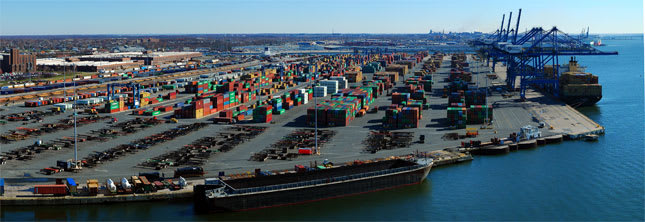
The Port of Baltimore is one of 15 ports where a strike would have halted most intermodal container handling.
Dockworkers and their employers agreed to extend contract negotiations for an additional 30 days after coming to an agreement on container royalties, avoiding a strike that would have shut down 15 East Coast and Southeast ports from Maine to Texas when the contract expired at midnight on Dec. 30.
According to the federal mediator who has been working with The International Longshoremens Association and United States Maritime Alliance, the sticking point of container royalty payments has been agreed upon in principle by both parties. These royalties supplement the wages of the longshoremen.
The details of that agreement are not being released, since negotiations are continuing. The extra 30 days is designed to give them time to negotiate the rest of the issues.
"While some significant issues remain in contention, I am cautiously optimistic that they can be resolved in the upcoming 30-day extension period," said Federal Mediation & Conciliation Service Director George Cohen in a statement.
If a strike had occurred, workers wouldnt have moved containerized cargo. Passenger ships, military cargo, containerized mail, bulk items, finished autos and perishable items with a limited shelf life would still have been handled. More than half of the nations containerized shipments pass through East Coast and Gulf Coast ports, according to Bloomberg.
Retailers welcomed the news, but continue to urge both parties to keep working on a long-term contract agreement.
While a contract extension does not provide the level of certainty that retailers and other industries were looking for, it is a much better result than an East and Gulf Coast port strike that would have shut down 14 container ports from Maine to Texas," said National Retail Federation President and CEO Matthew Shay in a statement.
A coast-wide port shutdown is not an option. It would have severe economic ramifications for the local, national and even global economies and wreak havoc on the supply chain."
More Fleet Management
AUCTION OF EQUITY INTEREST IN HEAVY HAUL TRUCKING COMPANY!!
Mark your calendar: June 30, 2026 (10:00 a.m. PDT). MagnaTrans, LLC, a California limited liability company doing business as Magna Transportation Group is going to auction! Bid on a 37.5% ownership interest in this Rancho Cucamonga-based heavy haul and over-dimensional trucking company operating across California, Oregon, and Arizona. The equity interest will be sold to the highest bidder or bidders under Article 9 of the Uniform Commercial Code at 10:00 a.m. PDT.
Read More →
Volvo Trucks Adds Unattended Over-the-Air Software Update Capabilities
The latest evolution of Volvo’s over-the-air update technology allows software updates to run while trucks are parked, helping fleets keep vehicles current without disrupting operations.
Read More →
How Waste Connections is Using Data, Telematics, and AI
How do you manage and maintain more than 18,000 connected trucks? Data. Lots of it.
Read More →
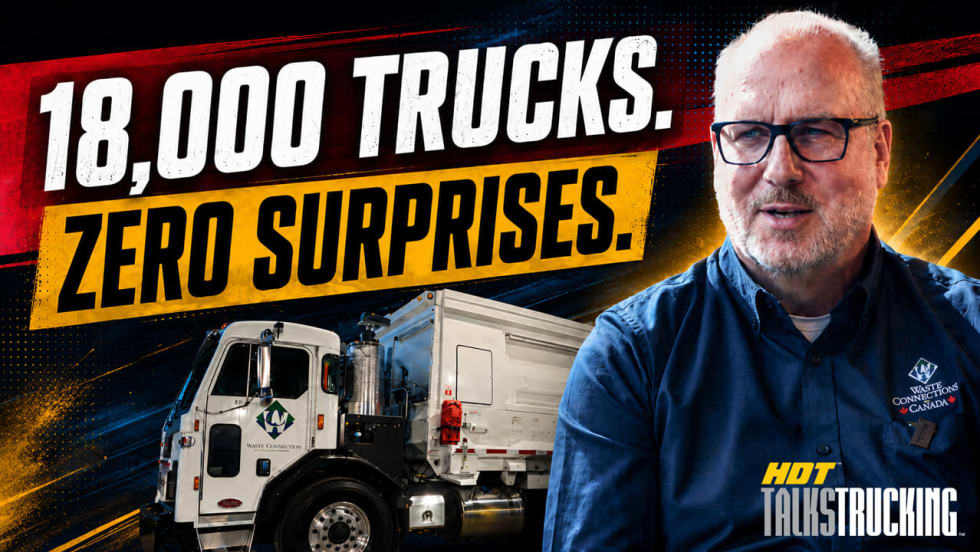
Why Fleet Data Matters More Than Ever at Waste Connections [Watch]
Waste Connections' Chuck Palmer explains how telematics, predictive maintenance, safety analytics, and AI help keep vehicles on the road and drivers safe in this episode of HDT Talks Trucking.
Read More →
NMFTA Launches Free, Anonymous Cybersecurity Threat Report Portal
Organizations are encouraged to anonymously report freight fraud, cargo crime, and cyber threats while gaining visibility into incidents reported across the transportation sector.
Read More →
AI Can Optimize a Fleet. Can It Replace Human Judgment?
Fleets fear falling behind if they don’t adopt AI quickly enough. They also fear what happens if the technology makes the wrong decision.
Read More →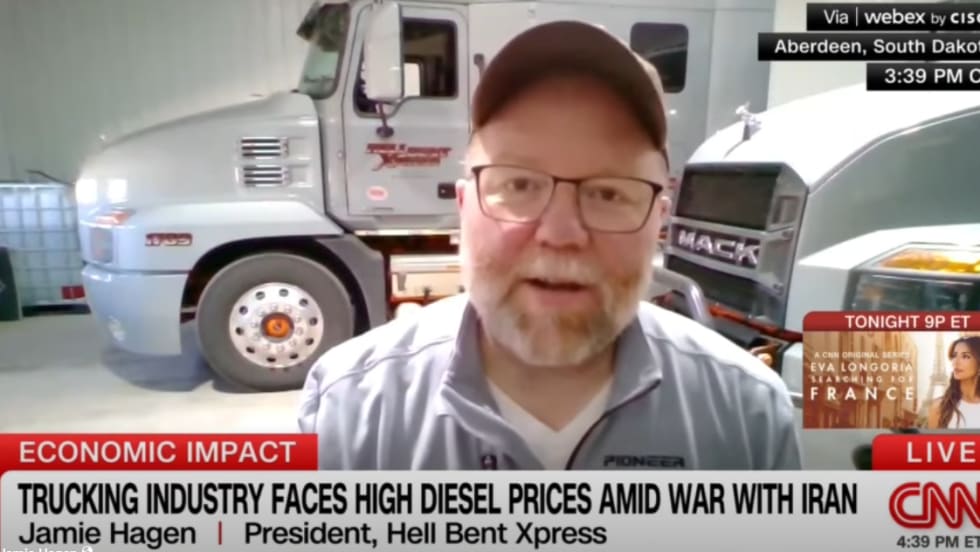
Jamie Hagen Gets Real About Running a Small Fleet in an Uncertain Economy
Small fleet owner Jamie Hagen says new legal risks, volatile fuel prices, and a changing freight market are forcing small carriers to rethink how they operate — and what they can afford.
Read More →
Jamie Hagen Gets Real About Freight, Fuel Prices, Safety, and Small-Fleet Survival
Running a small trucking fleet right now isn’t easy, especially right now. And Jamie Hagen doesn’t sugarcoat it.
Read More →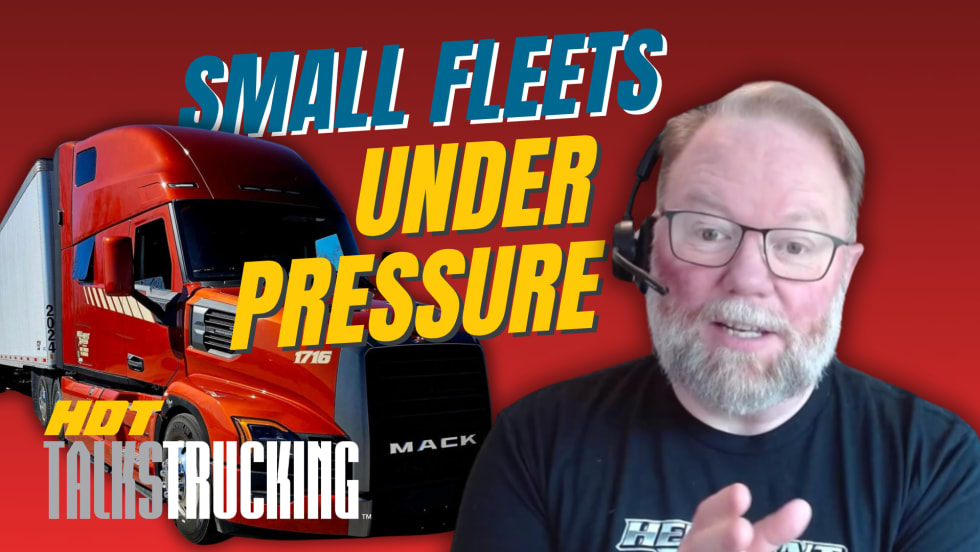
Jamie Hagen Gets Real About Freight, Fuel Prices, Safety, and Small-Fleet Survival
Running a small trucking fleet right now isn’t easy, especially right now. And Jamie Hagen doesn’t sugarcoat it.
Read More →
Data Lock‑In or Integration Lock‑Out?
Data fragmentation is costing dealerships, OEMs, fleets, and upfitters millions. Here’s why interoperability may be the fix the trucking industry needs.
Read More →