




Strike Slows Intermodal Traffic at LA-Area Ports
A strike by clerical workers at the Ports of Los Angeles and Long Beach has already diverted several container ships to other ports, and the National Retail Federation has asked President Obama to take action. The International Longshore and Warehouse Union Local 63 Office Clerical Unit has established pickets outside terminals at the Ports of Los Angeles and Long Beach
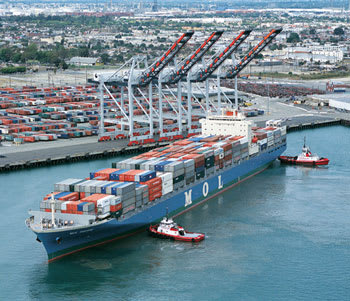
A strike by clerical workers at the Ports of Los Angeles and Long Beach has already diverted several container ships to other ports, and the National Retail Federation has asked President Obama to take action.
The International Longshore and Warehouse Union Local 63 Office Clerical Unit has established pickets outside terminals at the Ports of Los Angeles and Long Beach.
It started when about 70 clerical workers walked off their jobs late Tuesday, saying the terminals management was trying to outsource jobs overseas. Members of the OCU have been working without a contract for 30 months.
Late Tuesday night, a labor arbitrator ruled the strike was not bonafide and directed the ILWU members back to work, but instead the strike has spread. Longshoremen have refused to cross the anti-outsourcing picket lines.
APM Terminals said in a statement posted on its website yesterday that Pier 400 remains shut-down due to the OCU pickets. "The ILWU refused to honor the Arbitrators ruling instructing them to return to work. We continue to address this issue through the PMA/ILWU grievance process."
The Los Angeles Times reported yesterday that several container ships have been diverted to other ports, such as Oakland and Mexico, because of the strike, which is affecting 10 of the 14 cargo terminals at the nation's busiest port complex.
The National Retail Federation yesterday urged President Obama to immediately engage in the stalled contract negotiations between management and striking union workers.
A prolonged strike at the nations largest ports would have a devastating impact on the U.S. economy, read a letter from NRF President and CEO Matthew Shay to Obama. We call upon you to use all means necessary to get the two sides back to the negotiating table.
In its appeal to the president that the Administration directly engage in the ongoing labor dispute, NRF noted the outcome of the 2002 West Coast ports lockout. The 10-day lockout led to significant supply chain disruptions, which took six months to remedy, and cost the economy an estimated $1 billion a day.
An extended strike [in Los Angeles and Long Beach] this time could have a greater impact considering the fragile state of the U.S. economy, the letter stated. The two sides must remain at the negotiating table until a deal is reached.
David Ross, a transportation analyst for investment firm Stifel Nicolaus, noted, "We find it somewhat interesting that union workers are protesting a contract offer that contains job guarantees, an average pay of nearly $90K (for pushing paper), while they only work on average 8 1/2 months per year and get paid for 12 months.
"Ports should be moving to paperless operations anyway with all the electronic filings now done with customs and other import/export documentation, and we believe any further strikes may accelerate that move."
More Fleet Management
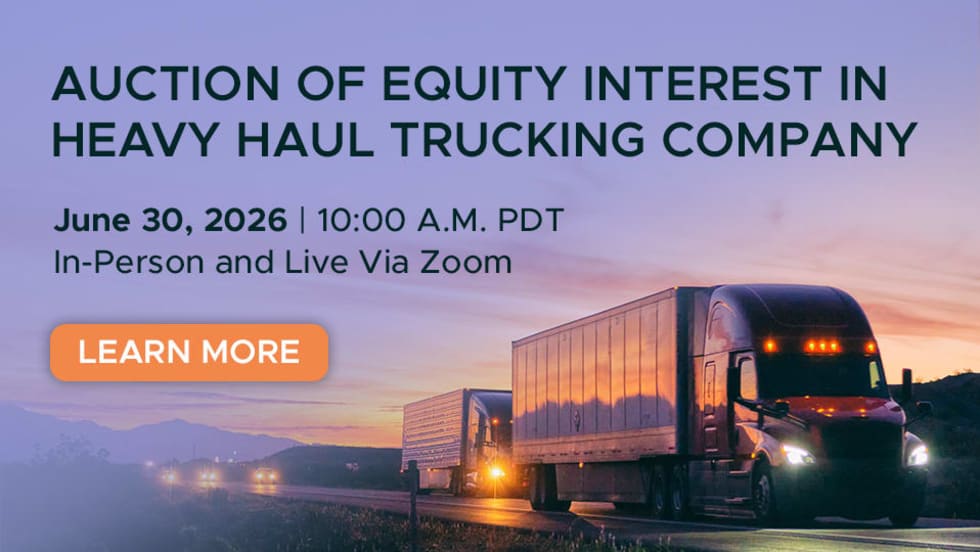
AUCTION OF EQUITY INTEREST IN HEAVY HAUL TRUCKING COMPANY!!
Mark your calendar: June 30, 2026 (10:00 a.m. PDT). MagnaTrans, LLC, a California limited liability company doing business as Magna Transportation Group is going to auction! Bid on a 37.5% ownership interest in this Rancho Cucamonga-based heavy haul and over-dimensional trucking company operating across California, Oregon, and Arizona. The equity interest will be sold to the highest bidder or bidders under Article 9 of the Uniform Commercial Code at 10:00 a.m. PDT.
Read More →
Volvo Trucks Adds Unattended Over-the-Air Software Update Capabilities
The latest evolution of Volvo’s over-the-air update technology allows software updates to run while trucks are parked, helping fleets keep vehicles current without disrupting operations.
Read More →
How Waste Connections is Using Data, Telematics, and AI
How do you manage and maintain more than 18,000 connected trucks? Data. Lots of it.
Read More →

Why Fleet Data Matters More Than Ever at Waste Connections [Watch]
Waste Connections' Chuck Palmer explains how telematics, predictive maintenance, safety analytics, and AI help keep vehicles on the road and drivers safe in this episode of HDT Talks Trucking.
Read More →
NMFTA Launches Free, Anonymous Cybersecurity Threat Report Portal
Organizations are encouraged to anonymously report freight fraud, cargo crime, and cyber threats while gaining visibility into incidents reported across the transportation sector.
Read More →
AI Can Optimize a Fleet. Can It Replace Human Judgment?
Fleets fear falling behind if they don’t adopt AI quickly enough. They also fear what happens if the technology makes the wrong decision.
Read More →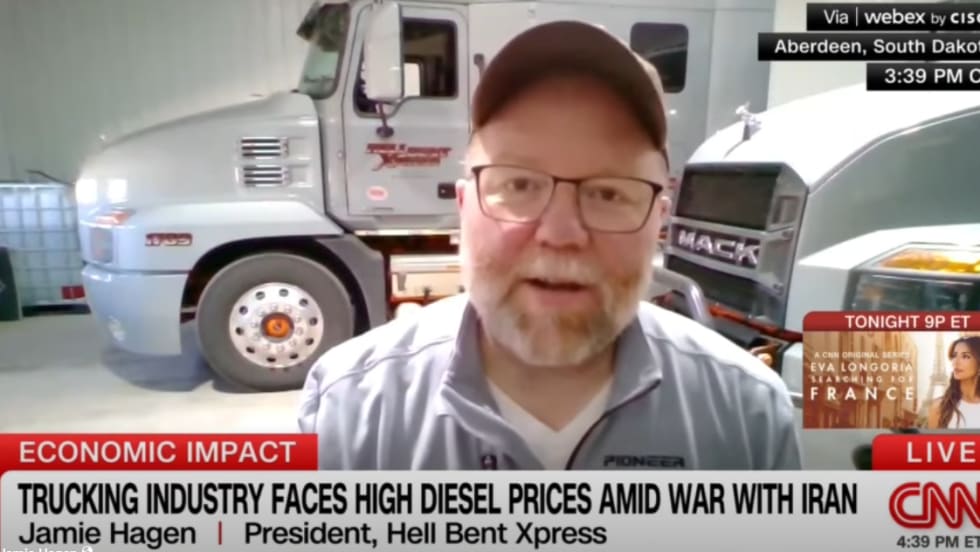
Jamie Hagen Gets Real About Running a Small Fleet in an Uncertain Economy
Small fleet owner Jamie Hagen says new legal risks, volatile fuel prices, and a changing freight market are forcing small carriers to rethink how they operate — and what they can afford.
Read More →
Jamie Hagen Gets Real About Freight, Fuel Prices, Safety, and Small-Fleet Survival
Running a small trucking fleet right now isn’t easy, especially right now. And Jamie Hagen doesn’t sugarcoat it.
Read More →
Jamie Hagen Gets Real About Freight, Fuel Prices, Safety, and Small-Fleet Survival
Running a small trucking fleet right now isn’t easy, especially right now. And Jamie Hagen doesn’t sugarcoat it.
Read More →
Data Lock‑In or Integration Lock‑Out?
Data fragmentation is costing dealerships, OEMs, fleets, and upfitters millions. Here’s why interoperability may be the fix the trucking industry needs.
Read More →