




LaHood Reaffirms Commitment to Combat Distracted Driving
At an event marking the one-year anniversary of FocusDriven, a national nonprofit organization dedicated to advocating for victims of distracted driving, U.S. Transportation Secretary Ray LaHood Thursday reaffirmed his commitment to putting an end to distracted driving
At an event marking the one-year anniversary of FocusDriven, a national nonprofit organization dedicated to advocating for victims of distracted driving, U.S. Transportation Secretary Ray LaHood Thursday reaffirmed his commitment to putting an end to distracted driving.
Joined by family members of distracted driving victims, including FocusDriven President Jennifer Smith, and representatives from Safeway and the Network of Employers for Traffic Safety (NETS), LaHood unveiled a number of new public education initiatives and discussed the important leadership role businesses play in promoting safe driving behavior.
"Distracted driving is a deadly epidemic and when it comes to road safety, we will not take a backseat to anyone," said LaHood. "That's why distracted driving will continue to be a major part of DOT's robust safety agenda. Together with advocates like FocusDriven and NETS, and employers like Safeway, we can put an end to this deadly behavior and save lives."
Shannon Campagna, Vice President of Federal Government Relations for Safeway grocery stores, spoke about the company's decision to institute an anti-distracted driving policy for all Safeway truck drivers. The policy prohibits Safeway's 1,525 truck drivers from talking or texting on cell phones, or from using hands-free devices while driving.
"The safety of our employees, customers and residents in the communities where we operate is and always has been of the utmost importance to Safeway," said Campagna. "This policy not only helps keep our employees and customers safe, but we believe it is a good business practice as it ensures that our products arrive safely and on-time. Implementation of policies limiting use of phones and mobile devices by more private companies will help minimize distractions for drivers and keep Americans on the road safe and healthy."
Bill Windsor, Chairman of the Network of Employers for Traffic Safety, also announced the results of their 2010 Drive Safely Work Week campaign. The campaign, which promoted anti-distracted driving employer policies, reached a record-breaking 5,000 unique public and private organizations representing more than 20 million U.S. employees. Of the 4,690 unique organizations that downloaded the NETS electronic tool kit, 88 percent currently have or expect to have a cell phone policy in place within the next 12 months.
"Employers can make a real difference in keeping their associates safe both on and off the job by educating them about the dangers of distracted driving and adopting policies to prevent it," said Windsor.
More Safety & Compliance
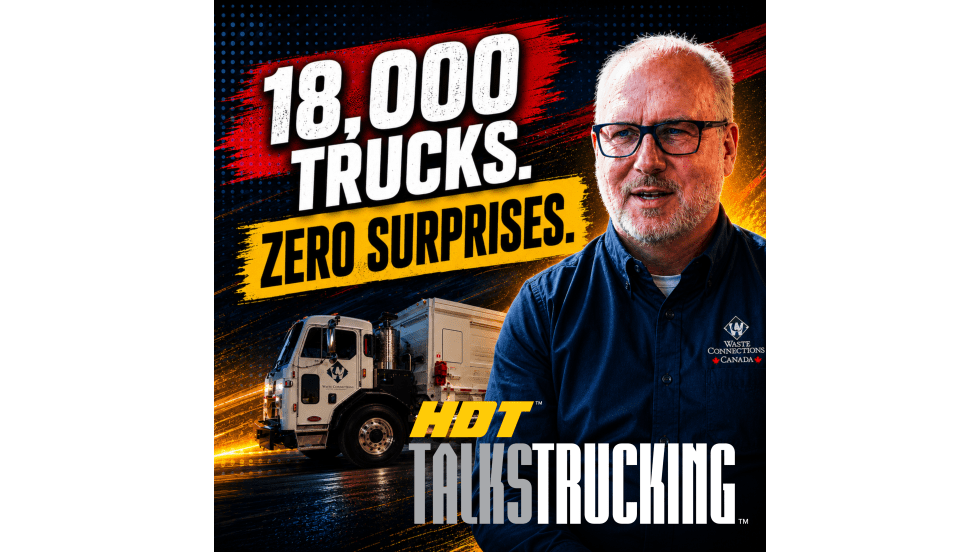
How Waste Connections is Using Data, Telematics, and AI
How do you manage and maintain more than 18,000 connected trucks? Data. Lots of it.
Read More →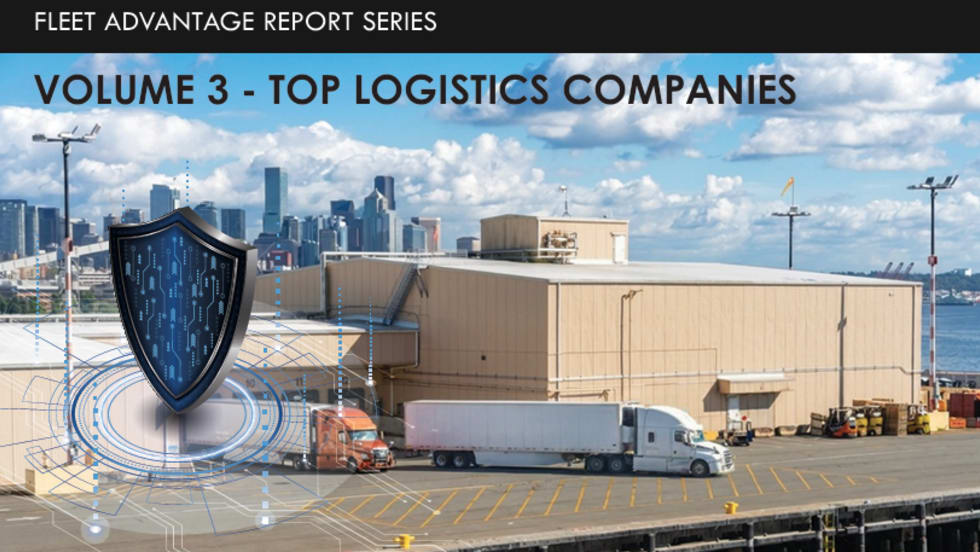
Fleet Advantage: Top Logistics Fleets Outperform National Safety Benchmarks
Fleet Advantage's latest TRUST Safety Index found leading logistics fleets maintained significantly lower out-of-service rates and stronger safety scores than national averages, while highlighting persistent challenges related to tires, brakes, and unsafe driving behaviors.
Read More →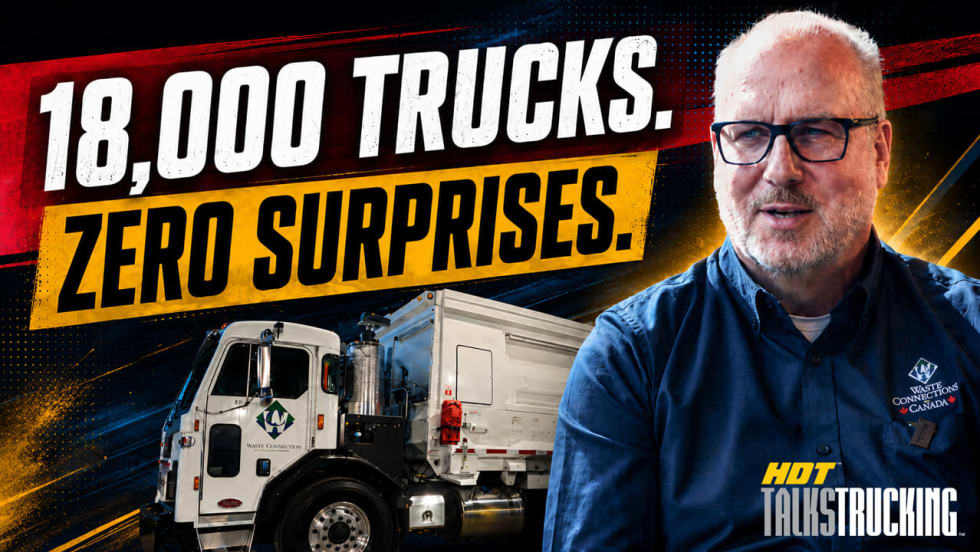
Why Fleet Data Matters More Than Ever at Waste Connections [Watch]
Waste Connections' Chuck Palmer explains how telematics, predictive maintenance, safety analytics, and AI help keep vehicles on the road and drivers safe in this episode of HDT Talks Trucking.
Read More →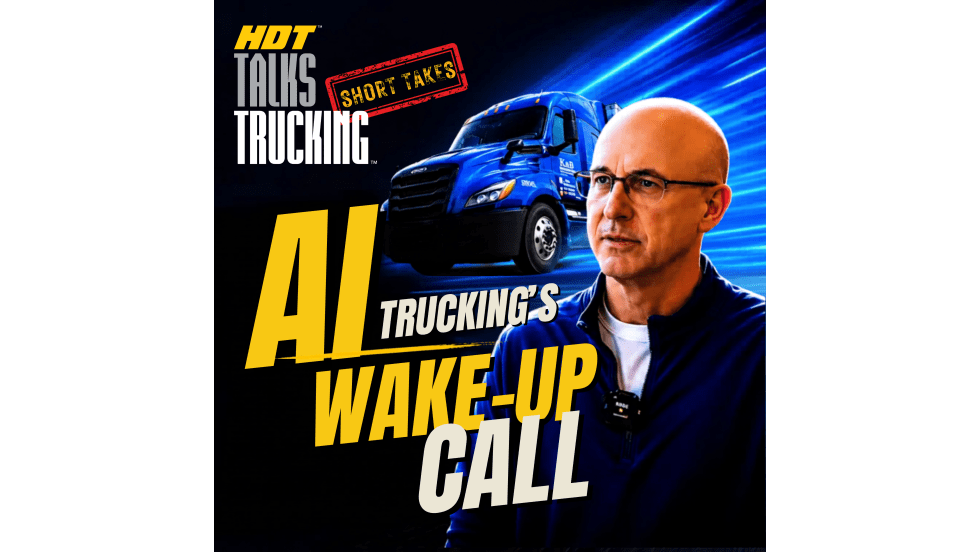
Short Takes: How K&B is Using AI
Fleets need to "get on board the train" with AI, says Lance Evans of K&B Transportation in this HDT Talks Trucking Short Takes episode.
Read More →
Short Takes: Inside K&B’s Truck Safety Tech
Listen to learn how K&B Transportation uses cellphone-blocking technology, speed management systems, weather geofencing, bridge avoidance tools, and more to improve driver safety.
Read More →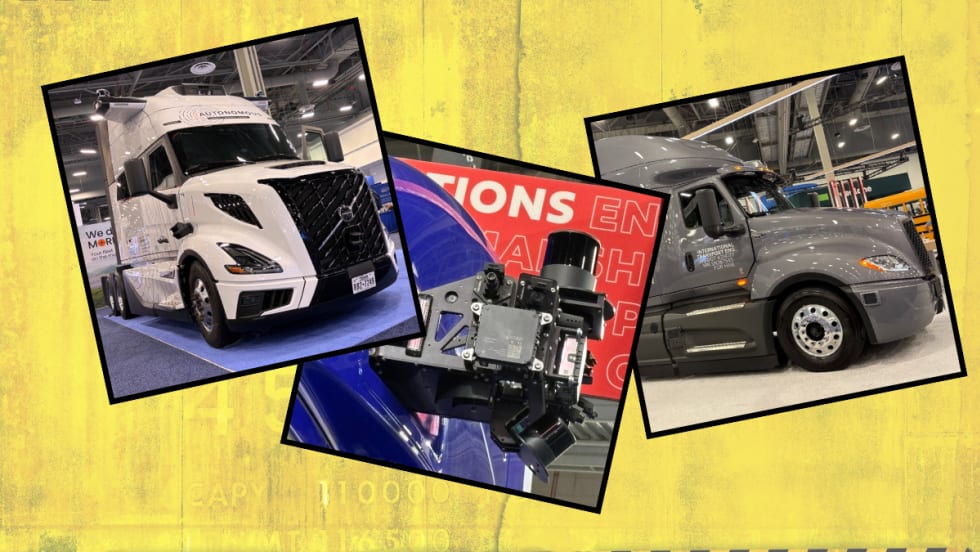
The Biggest Gap in Driverless Trucking Isn’t Tech. It’s Safety Validation
Nauto’s Stefan Heck says autonomous trucks are advancing quickly but proving they’re safe enough for large-scale deployment may be the industry’s hardest challenge.
Read More →
Truck Crash Rates Are Down. So Why Do Insurance Costs Keep Rising?
ATRI’s latest research points to litigation, social inflation, and soaring claims costs as key drivers behind record-high liability premiums for trucking fleets. But there are things motor carriers can do.
Read More →
FMCSA Removes More Than a Dozen ELDs from Registered List
The FMCSA continues its efforts to fight electronic logging devices that don't meet federal requirements, removing more than a dozen from the registered ELD list in May.
Read More →
How the Supreme Court Broker Liability Ruling Could Reshape Trucking’s Safety Landscape
The Supreme Court’s May 11 broker-liability ruling may not radically rewrite transportation law overnight. But industry experts say it will intensify pressure on brokers, carriers, and shippers to prove they are prioritizing safety.
Read More →
Recall of Fontaine Fusion Flatbeds Warns Owners Not to Use the Trailers
Some Fontaine Fusion flatbed trailer manufactured between February 2025, and March 2026 could have mainbeams weakened by hydrogen embrittlement because of a problem in the galvanizing process.
Read More →