




Shippers Could be Liable in Some Crashes
A shipper could be held liable in court if a crash is caused by a shift in cargo that the shipper loaded, based on a recent appeals court ruling
A shipper could be held liable in court if a crash is caused by a shift in cargo that the shipper loaded, based on a recent appeals court ruling.
In Spence v. ESAB Group Inc., the 3rd U.S. Circuit Court of Appeals rejected the argument that federal trucking regulations impose a safety obligation only on the carrier.
Charles Spence, a Houston truck driver, was seriously injured in May 2005 in a rollover accident shortly after picking up a load of welding supplies from the ESAB Group's plant in Hanover, Pa. The cargo - welding supplies manufactured by ESAB - was packaged by ESAB into boxes and cartons, stacked onto pallets, and then stretch wrapped.
Spence sued the company, alleging that ESAB workers assured him that their method of securing the load with metal cleats on each pallet was sufficient, and that it was unnecessary to use the more complicated block-and-brace process that calls for securing each pallet in a wooden frame nailed to the floor of the truck. It was not the first time he had complained to the company about the method of securement.
A unanimous three-judge panel reversed an earlier decision by U.S. District Judge Sylvia H. Rambo in Harrisburg, which granted summary judgment in favor of the shipper.
The court held that there was evidence that the shipper undertook not only to load the cargo, but also to supply securement devices and to express an assurance that this method of securing the load was adequate. The court found that if a jury finds that the shipper participated in not only loading, but also securing its welding supplies, then the jury would have to determine whether the shipper exercised due care.
"Those who undertake the task of loading, securing, and hauling cargo on tractor-trailers have a duty to exercise due care to protect property and persons from the risk of harm," U.S. Circuit Judge Thomas Vanaskie wrote. "Where there is evidence that a shipper undertook to load and secure the cargo being transported by a third-party carrier, the shipper also bears an obligation to exercise reasonable care."
Read more about the case in the Pittsburgh Post-Gazette.
Read the full decision here.
More Safety & Compliance
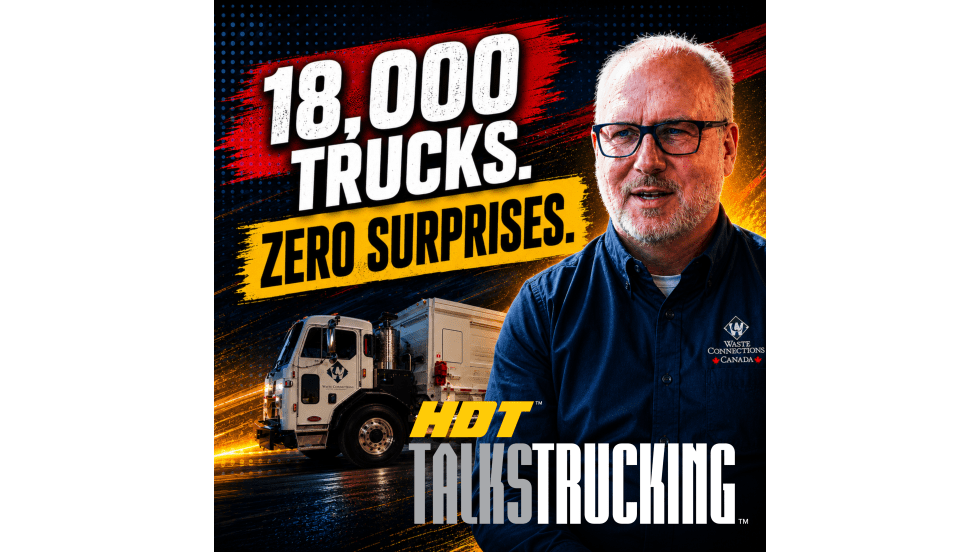
How Waste Connections is Using Data, Telematics, and AI
How do you manage and maintain more than 18,000 connected trucks? Data. Lots of it.
Read More →
Fleet Advantage: Top Logistics Fleets Outperform National Safety Benchmarks
Fleet Advantage's latest TRUST Safety Index found leading logistics fleets maintained significantly lower out-of-service rates and stronger safety scores than national averages, while highlighting persistent challenges related to tires, brakes, and unsafe driving behaviors.
Read More →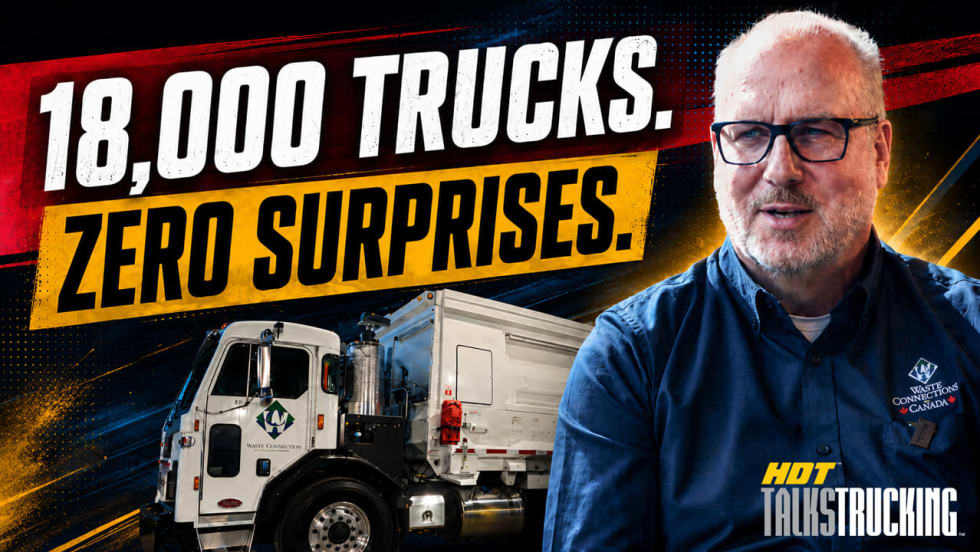
Why Fleet Data Matters More Than Ever at Waste Connections [Watch]
Waste Connections' Chuck Palmer explains how telematics, predictive maintenance, safety analytics, and AI help keep vehicles on the road and drivers safe in this episode of HDT Talks Trucking.
Read More →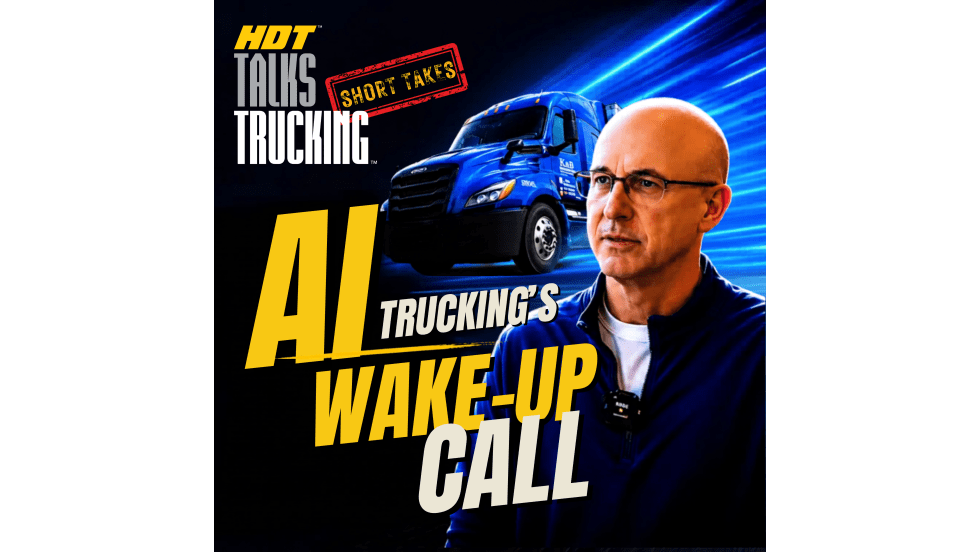
Short Takes: How K&B is Using AI
Fleets need to "get on board the train" with AI, says Lance Evans of K&B Transportation in this HDT Talks Trucking Short Takes episode.
Read More →
Short Takes: Inside K&B’s Truck Safety Tech
Listen to learn how K&B Transportation uses cellphone-blocking technology, speed management systems, weather geofencing, bridge avoidance tools, and more to improve driver safety.
Read More →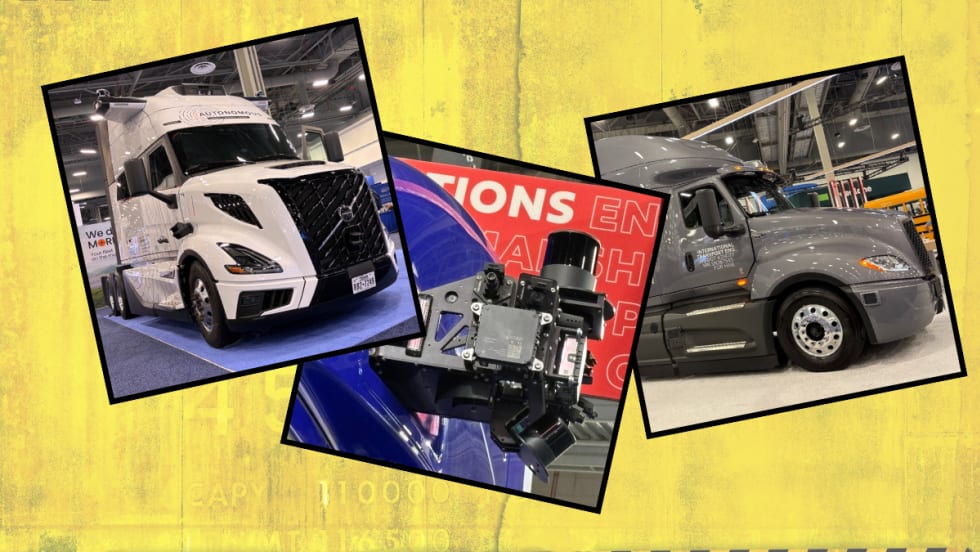
The Biggest Gap in Driverless Trucking Isn’t Tech. It’s Safety Validation
Nauto’s Stefan Heck says autonomous trucks are advancing quickly but proving they’re safe enough for large-scale deployment may be the industry’s hardest challenge.
Read More →
Truck Crash Rates Are Down. So Why Do Insurance Costs Keep Rising?
ATRI’s latest research points to litigation, social inflation, and soaring claims costs as key drivers behind record-high liability premiums for trucking fleets. But there are things motor carriers can do.
Read More →
FMCSA Removes More Than a Dozen ELDs from Registered List
The FMCSA continues its efforts to fight electronic logging devices that don't meet federal requirements, removing more than a dozen from the registered ELD list in May.
Read More →
How the Supreme Court Broker Liability Ruling Could Reshape Trucking’s Safety Landscape
The Supreme Court’s May 11 broker-liability ruling may not radically rewrite transportation law overnight. But industry experts say it will intensify pressure on brokers, carriers, and shippers to prove they are prioritizing safety.
Read More →
Recall of Fontaine Fusion Flatbeds Warns Owners Not to Use the Trailers
Some Fontaine Fusion flatbed trailer manufactured between February 2025, and March 2026 could have mainbeams weakened by hydrogen embrittlement because of a problem in the galvanizing process.
Read More →