




Oregon Credits Inspection Blitzes for Drop in Truck Crashes
Oregon's Department of Transportation says its commercial vehicle enforcement and education efforts appear to be paying off with a drop in truck crashes
Oregon's Department of Transportation says its commercial vehicle enforcement and education efforts appear to be paying off with a drop in truck crashes.
For the last several years, ODOT's Motor Carrier Division has aggressively targeted unsafe commercial drivers and vehicles with enhanced enforcement and education initiatives. One of the biggest efforts has been special safety inspection operations along the state's busiest highways. During these operations, MCTD employees work together around the clock for three to five days, inspecting hundreds of trucks a day.
"Although employees perform this type of work every day, intensive inspection operations help reinforce the message that safety is our number one priority and help keep Oregonians safe," said Howard Russell, Motor Carrier Safety Compliance Field manager.
DOT officials say 2009 data shows crashes involving commercial vehicles are down 28 percent over 2008. Truck-at-fault crashes are down 26 percent. Truck crashes resulted in 32 percent fewer injuries and 15 percent fewer deaths in 2009.
During a multi-day event in central and eastern Oregon, almost 630 safety inspections were completed. These inspections focused on commercial drivers and included checking drivers' logbooks and qualifications to make sure they were complying with federal and state regulations, specifically, hours of service regulations.
During the inspection operation, 27 percent of drivers were placed out of service. That rate is consistent with inspection events at other locations in Oregon over the last few years. The national driver out of service rate is about 6 percent.
Commercial vehicle safety inspections are not random. Using several sorting tools, including weigh station records, safety records, and information in national databases, employees scrutinize the vehicle and driver. Driver behavior is carefully observed as the vehicle proceeds through the weigh station. Drivers who look inattentive or fatigued are routinely selected for an inspection. During the inspection, the driver is interviewed and supporting documentation is reviewed to verify the driver's logbook.
In the last six months, ODOT has conducted five of these special operations, completing more than 2,000 inspections and placing almost a third of drivers out of service for logbook, hours of service or other violations.
"Although the majority of trucks and drivers operating on Oregon's highways are safe and professional, these inspections are important in helping identify those that are not and vital in helping keep Oregonians safe," said Russell.
More Safety & Compliance

How Waste Connections is Using Data, Telematics, and AI
How do you manage and maintain more than 18,000 connected trucks? Data. Lots of it.
Read More →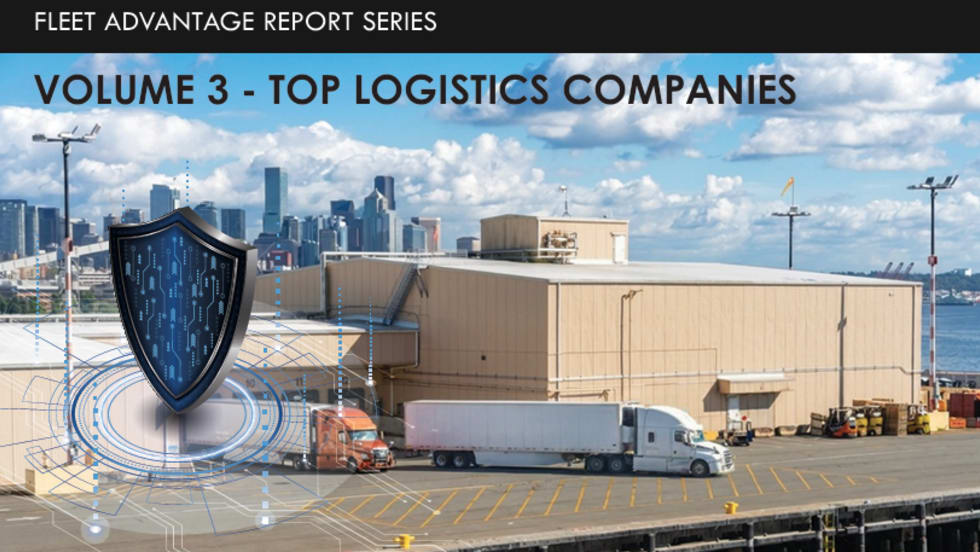
Fleet Advantage: Top Logistics Fleets Outperform National Safety Benchmarks
Fleet Advantage's latest TRUST Safety Index found leading logistics fleets maintained significantly lower out-of-service rates and stronger safety scores than national averages, while highlighting persistent challenges related to tires, brakes, and unsafe driving behaviors.
Read More →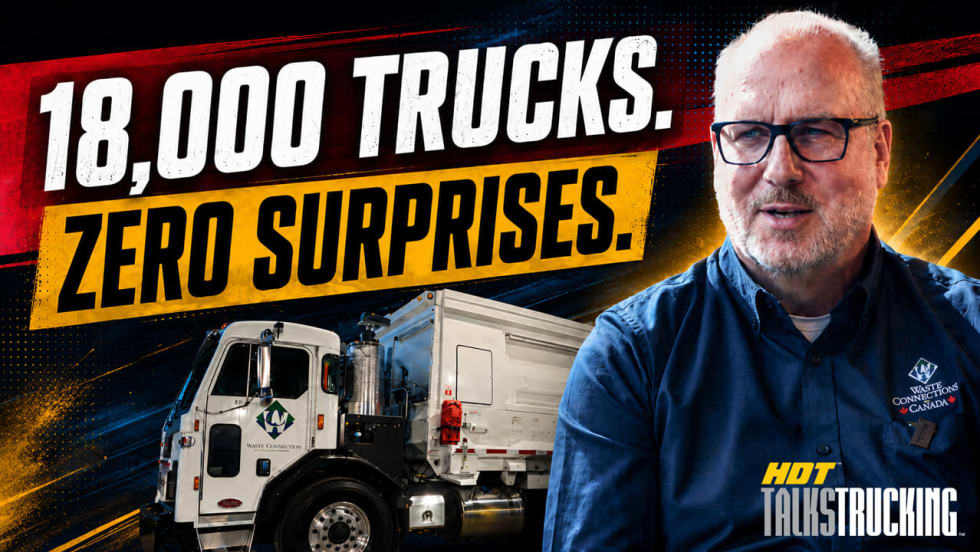
Why Fleet Data Matters More Than Ever at Waste Connections [Watch]
Waste Connections' Chuck Palmer explains how telematics, predictive maintenance, safety analytics, and AI help keep vehicles on the road and drivers safe in this episode of HDT Talks Trucking.
Read More →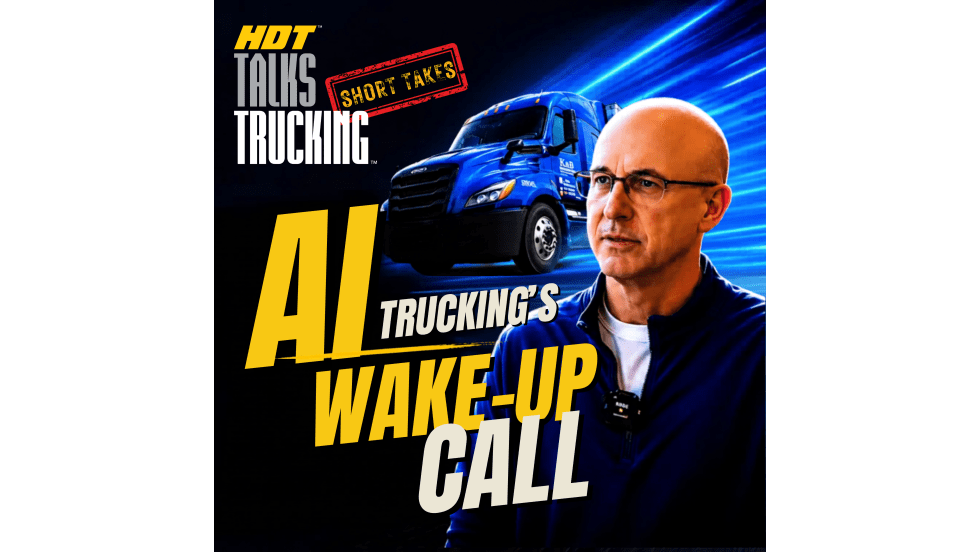
Short Takes: How K&B is Using AI
Fleets need to "get on board the train" with AI, says Lance Evans of K&B Transportation in this HDT Talks Trucking Short Takes episode.
Read More →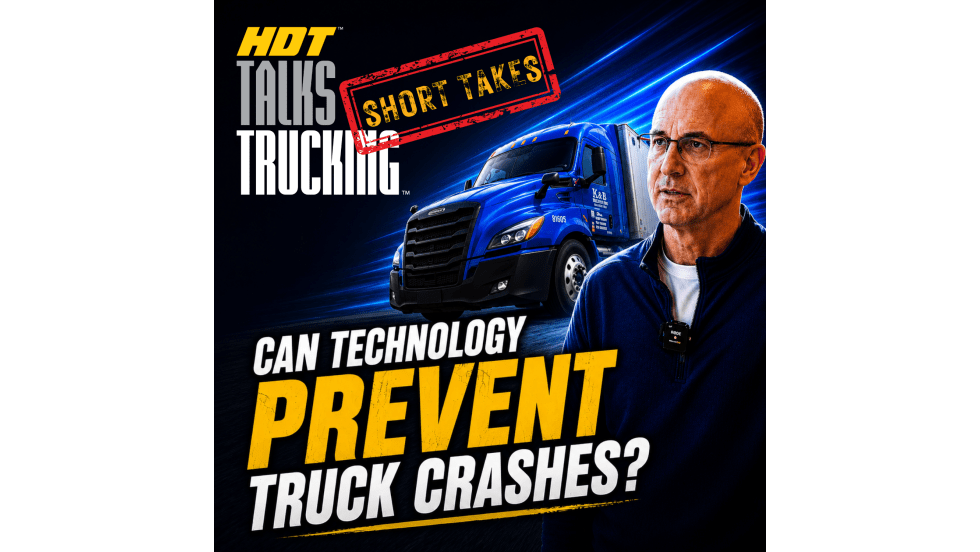
Short Takes: Inside K&B’s Truck Safety Tech
Listen to learn how K&B Transportation uses cellphone-blocking technology, speed management systems, weather geofencing, bridge avoidance tools, and more to improve driver safety.
Read More →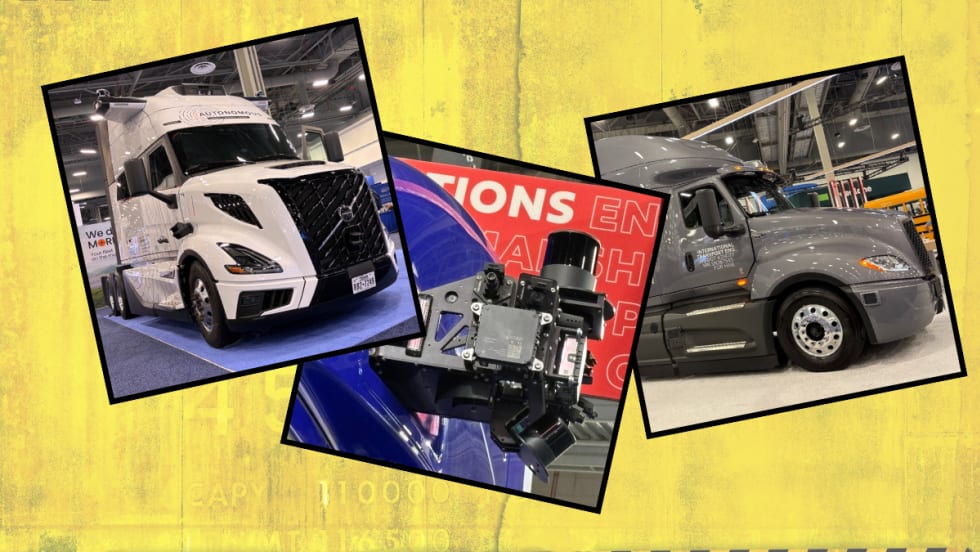
The Biggest Gap in Driverless Trucking Isn’t Tech. It’s Safety Validation
Nauto’s Stefan Heck says autonomous trucks are advancing quickly but proving they’re safe enough for large-scale deployment may be the industry’s hardest challenge.
Read More →
Truck Crash Rates Are Down. So Why Do Insurance Costs Keep Rising?
ATRI’s latest research points to litigation, social inflation, and soaring claims costs as key drivers behind record-high liability premiums for trucking fleets. But there are things motor carriers can do.
Read More →
FMCSA Removes More Than a Dozen ELDs from Registered List
The FMCSA continues its efforts to fight electronic logging devices that don't meet federal requirements, removing more than a dozen from the registered ELD list in May.
Read More →
How the Supreme Court Broker Liability Ruling Could Reshape Trucking’s Safety Landscape
The Supreme Court’s May 11 broker-liability ruling may not radically rewrite transportation law overnight. But industry experts say it will intensify pressure on brokers, carriers, and shippers to prove they are prioritizing safety.
Read More →
Recall of Fontaine Fusion Flatbeds Warns Owners Not to Use the Trailers
Some Fontaine Fusion flatbed trailer manufactured between February 2025, and March 2026 could have mainbeams weakened by hydrogen embrittlement because of a problem in the galvanizing process.
Read More →