




CVSA's New Truck Safety Campaign Targets Teens
As part of a new strategy aimed at cutting commercial motor vehicle-related crashes, the Commercial Vehicle Safety Alliance said it will focus on educating teenagers
As part of a new strategy aimed at cutting commercial motor vehicle-related crashes, the Commercial Vehicle Safety Alliance said it will focus on educating teenagers.
The "Teens & Trucks" training program was launched in collaboration with Arizona Trucking Association, Arizona Department of Public Safety, American Trucking Associations and related industry organizations. The goal of the program is to help educate teens about safe driving practices around commercial vehicles. Funding support for the program's development has been provided in part by the Federal Motor Carrier Safety Administration (FMCSA).
"A teen driver's inexperience, inattention, and false sense of invincibility behind the wheel are all too often a deadly combination, especially around big trucks and buses," said FMCSA Administrator Anne S. Ferro. "This program is a great new resource for parents, schools and enforcement groups for raising teens' awareness of the dangers of driving unsafely around trucks."
According to CVSA, teens comprise six percent of licensed drivers, yet they are involved in 12 percent of traffic fatalities in the U.S.
"While truck and bus drivers do contribute to some traffic crashes, research shows that too many drivers of passenger cars, especially young people ages 16 to 24 years old, unnecessarily endanger themselves and others by failing to recognize that large CMVs and cars differ in their handling characteristics," said Stephen A. Keppler, CVSA's interim executive director. "As a result of these unsafe actions, behaviors of the passenger vehicle driver are the critical reason behind most traffic crashes involving large CMVs and passenger vehicles."
The Teens & Trucks Program, part of CVSA's Operation Safe Driver initiative, is dedicated to improving commercial and non-commercial driver behavior and performance through effective enforcement, education and awareness strategies.
"Any training that can prepare young drivers for the risks involved when driving around these vehicles can be beneficial especially if it's delivered in a format they can relate to and apply," said Lt. Col. Jack Hegarty, Arizona Department of Public Safety.
"It is especially important for teen drivers to understand the unique operating characteristics of large trucks so - from the very outset - they can learn and use the skills necessary to share the road safely," said Rob Abbott, vice president of safety policy with the ATA. "Bad habits can be hard to break, so providing this training to drivers in their formative years is particularly valuable."
For more information about the program, go to www.teensandtrucks.com.
More Safety & Compliance
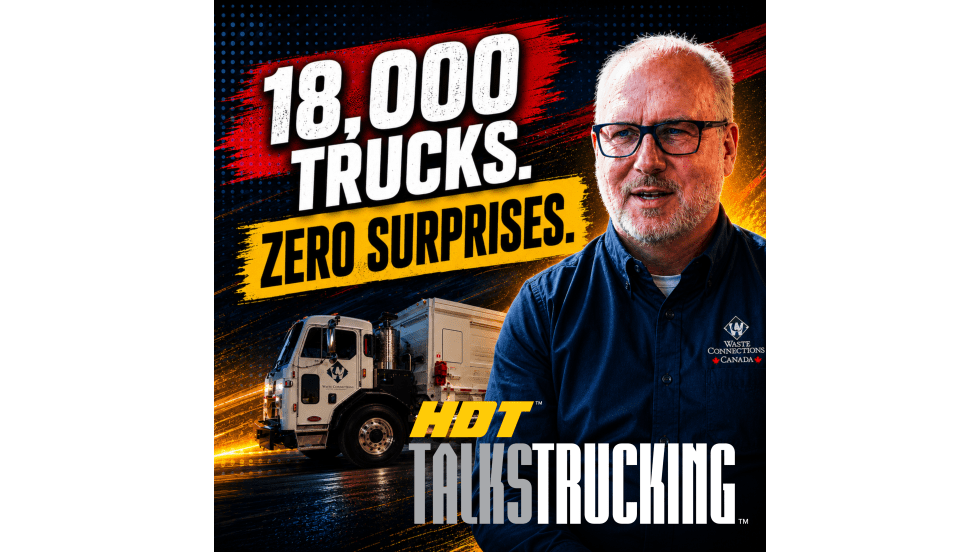
How Waste Connections is Using Data, Telematics, and AI
How do you manage and maintain more than 18,000 connected trucks? Data. Lots of it.
Read More →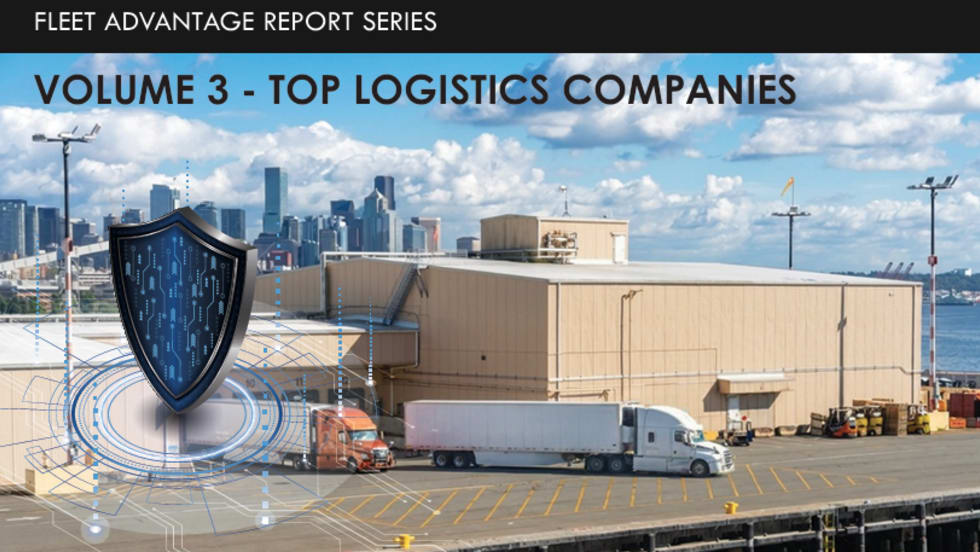
Fleet Advantage: Top Logistics Fleets Outperform National Safety Benchmarks
Fleet Advantage's latest TRUST Safety Index found leading logistics fleets maintained significantly lower out-of-service rates and stronger safety scores than national averages, while highlighting persistent challenges related to tires, brakes, and unsafe driving behaviors.
Read More →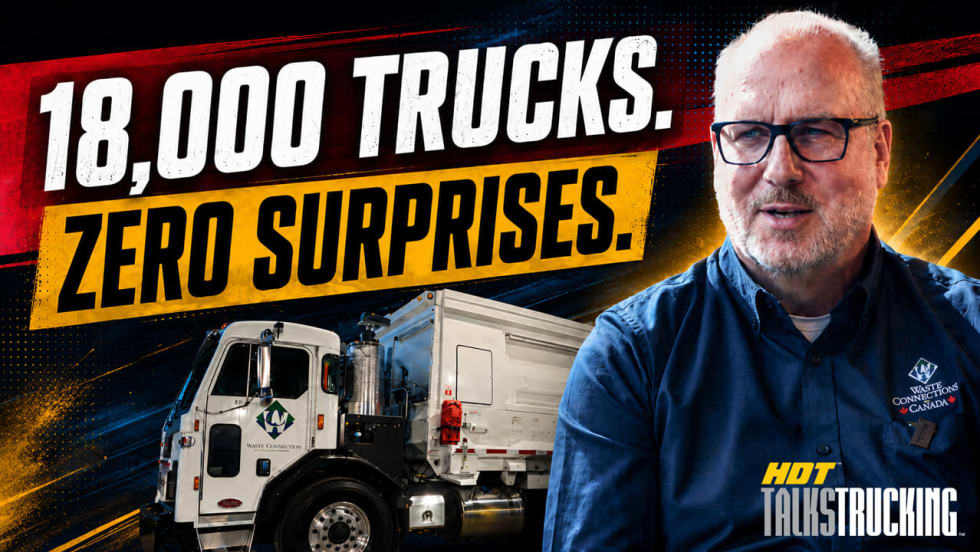
Why Fleet Data Matters More Than Ever at Waste Connections [Watch]
Waste Connections' Chuck Palmer explains how telematics, predictive maintenance, safety analytics, and AI help keep vehicles on the road and drivers safe in this episode of HDT Talks Trucking.
Read More →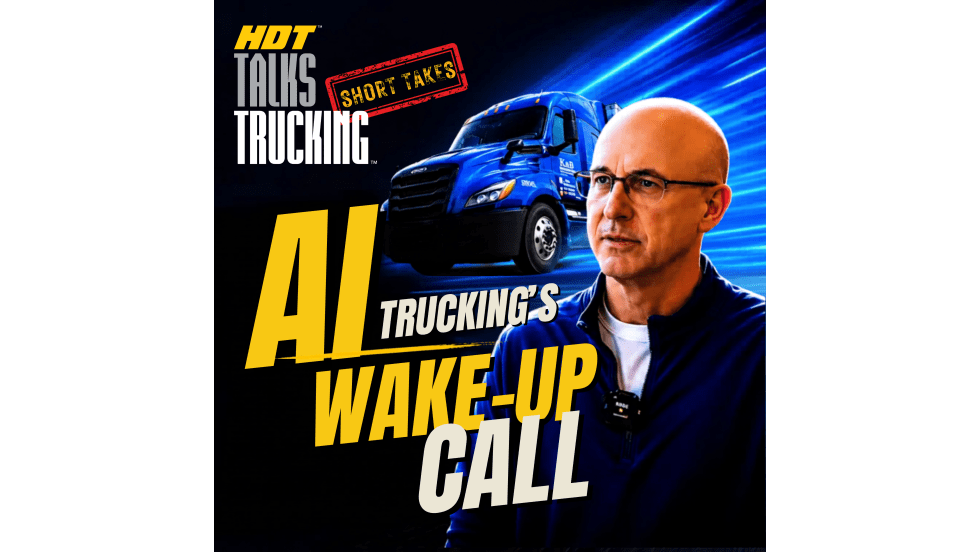
Short Takes: How K&B is Using AI
Fleets need to "get on board the train" with AI, says Lance Evans of K&B Transportation in this HDT Talks Trucking Short Takes episode.
Read More →
Short Takes: Inside K&B’s Truck Safety Tech
Listen to learn how K&B Transportation uses cellphone-blocking technology, speed management systems, weather geofencing, bridge avoidance tools, and more to improve driver safety.
Read More →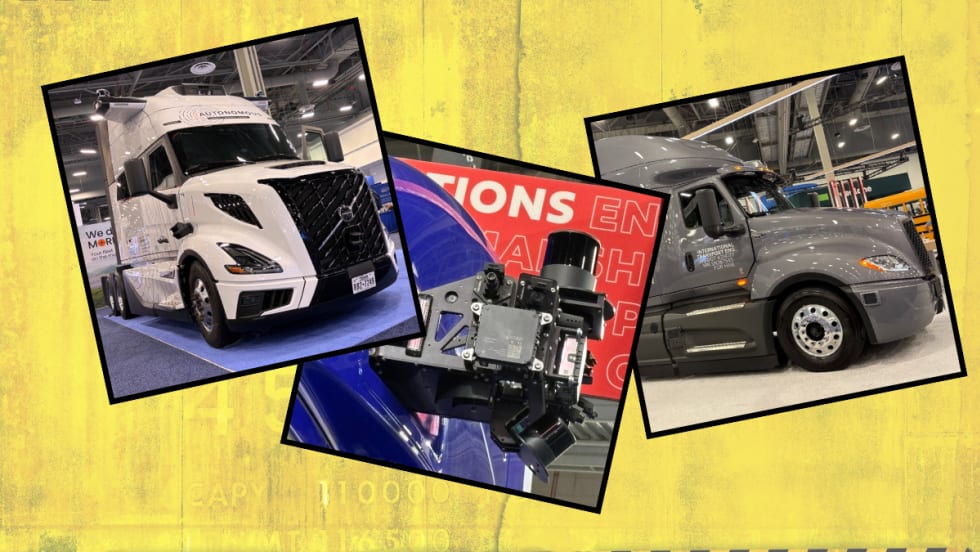
The Biggest Gap in Driverless Trucking Isn’t Tech. It’s Safety Validation
Nauto’s Stefan Heck says autonomous trucks are advancing quickly but proving they’re safe enough for large-scale deployment may be the industry’s hardest challenge.
Read More →
Truck Crash Rates Are Down. So Why Do Insurance Costs Keep Rising?
ATRI’s latest research points to litigation, social inflation, and soaring claims costs as key drivers behind record-high liability premiums for trucking fleets. But there are things motor carriers can do.
Read More →
FMCSA Removes More Than a Dozen ELDs from Registered List
The FMCSA continues its efforts to fight electronic logging devices that don't meet federal requirements, removing more than a dozen from the registered ELD list in May.
Read More →
How the Supreme Court Broker Liability Ruling Could Reshape Trucking’s Safety Landscape
The Supreme Court’s May 11 broker-liability ruling may not radically rewrite transportation law overnight. But industry experts say it will intensify pressure on brokers, carriers, and shippers to prove they are prioritizing safety.
Read More →
Recall of Fontaine Fusion Flatbeds Warns Owners Not to Use the Trailers
Some Fontaine Fusion flatbed trailer manufactured between February 2025, and March 2026 could have mainbeams weakened by hydrogen embrittlement because of a problem in the galvanizing process.
Read More →