




Insurance Rates Jump: Truckers Pay the Price For Bargain Years
The long period of relatively cheap insurance seems to be over. We’re hearing a few reports of price hikes as high 25-30% -- mainly for liability and workers’ compensation -- but the general consensus leans more toward 10-15%.
The long period of relatively cheap insurance seems to be over. We’re hearing a few reports of price hikes as high 25-30% -- mainly for liability and workers’ compensation -- but the general consensus leans more toward 10-15%.
Trucking is hardly alone. The price of health insurance for all business started climbing last year -- higher health care costs, we’re told, are the main culprit. Hurricanes, tornadoes,floods and earthquakes worldwide made 1999 one of the most expensive years in insurance history. Add low interest rates, which hurt non-insurance earnings; plus Internet rate bidding, which has driven down prices, and you’ve got an industry plagued with sagging profits. That, too, means higher prices for just about everyone.
But truckers will pay the price for more crime, past competition, and lax underwriting standards.
“Insurance is the messenger,” says Bonnie Knoedler, Sparks Insurance, Kenosha, WI. “We don’t cause the rate increases. It’s the bills that are paid by insurance that cause the rate increases.”
Today’s insurance rates, she adds, “are loaded with costs associated with fraud.” Staged accidents and false claims drive up insurance payouts and legal fees. Hijackings and theft make cargo insurance more expensive.
Despite rising costs, however, insurance has been a bargain for many truckers in the last
few years. The industry hasn’t seen any big hikes since the mid 1980s and rates have actually been dropping since the mid 1990s, notes Liberty Mutual Executive Vice President Joe Gilles. “This is in some sense a correction,” he says. Even after rate increases, many carriers will still be paying less than they did three years ago, he adds.
But many maintain that the “buyers market” has been costly.
“Insurance is a commodity,” says Todd Spenser, executive vice president of the Owner-Operator Independent Drivers Assn. “It’s a product like anything else and
insurance companies will write a big block of business at a substantial discount just to get the business.”
In many cases, he says, they’ve overlooked a carrier’s poor safety performance. “There are some big carriers that have lots of wrecks and have been getting some pretty good rates.”
To determine if a company will insure an individual or carrier, and at what price, underwriters typically look at accident and driving records. When evaluating carriers, they also look at vehicle maintenance, training, and safety programs. When there were lots of insurance companies vying for trucking business, underwriting standards got “rather loose,” admits Joe Burton, a Calco marketing manager who puts together insurance programs for the California Trucking Assn.
Insurance companies often didn’t dig as deep as they might have in a less competitive market. Many required only minimal information about a carrier’s hiring and screening practices. Add a driver shortage which forced many carriers to put younger, less experienced people on the road, and claims were bound to rise.
“Our loss ratios (claims paid versus premiums collected) have been pretty poor lately,” says Gilles.
Some companies will likely pull out of the truck insurance business. Others are tightening underwriting standards and raising rates.The biggest increases are expected in workers’compensation, liability and, to some extent, cargo insurance.
California truckers are already experiencing the fallout of a feeding frenzy among workers’ comp’ insurers. Rates plummeted after the state repealed its minimum rate law, to the point where many insurers were selling below costs. State regulators recently took over the largest workers’ comp carrier, Superior National. Some trucking companies got hit with 25% increases, including many with good safety records and minimal claims.
One was Mike Applegate of Applegate Drayage who is now saving money through a
captive insurance group formed by Calco and CTA. Under the program a portion of each
member’s premiums are set aside in an interest bearing account to pay that member’s
smaller claims. Another portion is pooled to cover larger claims filed by anyone in the
group. Losses over $100,000 are insured by Fireman’s Fund. Those over $1 million are
covered by Lloyd’s of London.
The beauty of the plan: “In a way I now have my own insurance company,” says Applegate. “I’m not subject to the ebbs and flows of the marketplace.”
In other parts of the country, rates for liability and cargo insurance are likely to go up for truckers hauling into large metropolitan areas, like New York, Los Angeles and Miami, says Pete Pomerenke of the Truck Insurance Mart, Lenexa, KS. So far he’s seen increases of around 10%, but mainly for carriers with high usual claims and accident rates. He doesn’t think rates for physical damage insurance will change much this year -- good news for leased owner-operators who run under their carrier’s liability insurance.
One thing does seem to be certain: it’s the safe truckers who will fare best. Spencer says OOIDA won’t raise rates on any of the insurance products it offers for owner-operators and small fleets. “We insure safe operators,” he says. “We find that our members have substantially fewer accidents than trucking population at large and end up with lower rates.”
Veteran drivers with clean records may also benefit as insurers start clamping down on
screening and experience.
“It’s critical that you hire experienced drivers,” Knoedler advises her clients, mostly owner-operators and small fleets. “Some insurance companies will tolerate one year of experience, but the rates are higher.”
The “cowboys” are going to have a harder time finding jobs because carriers won’t be so quick to fill seats if it means higher insurance rates, says Pomerenke. But a good driver, he adds, will be “worth his weight in gold."
More Fleet Management
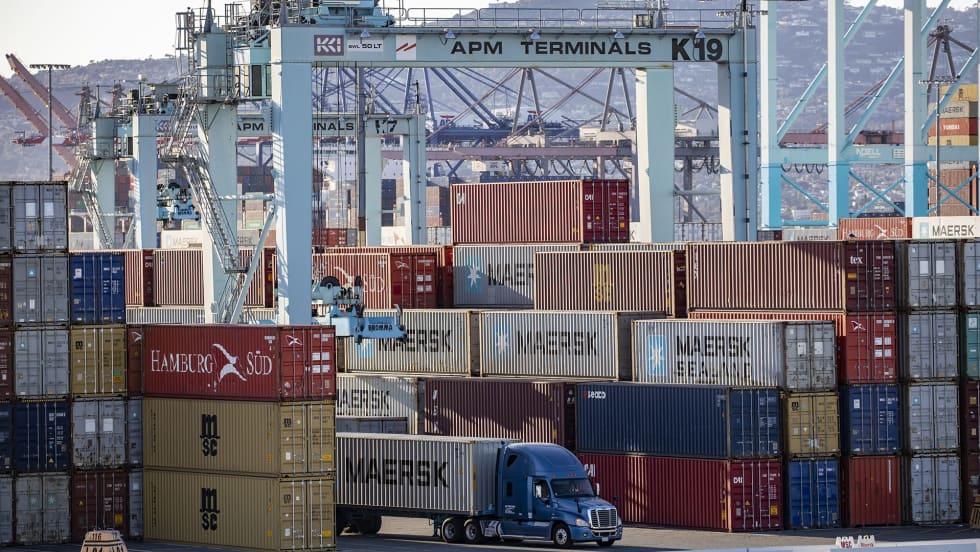
Import Cargo Volume to See Year-Over-Year Gain Again in June, Then Remain Below 2025 Levels Into Fall
After July, the report predicts a weakening in import volume as consumer uncertainty remains high and the impact of increasing inflation takes its toll.
Read More →
AUCTION OF EQUITY INTEREST IN HEAVY HAUL TRUCKING COMPANY!!
Mark your calendar: June 30, 2026 (10:00 a.m. PDT). MagnaTrans, LLC, a California limited liability company doing business as Magna Transportation Group is going to auction! Bid on a 37.5% ownership interest in this Rancho Cucamonga-based heavy haul and over-dimensional trucking company operating across California, Oregon, and Arizona. The equity interest will be sold to the highest bidder or bidders under Article 9 of the Uniform Commercial Code at 10:00 a.m. PDT.
Read More →
Volvo Trucks Adds Unattended Over-the-Air Software Update Capabilities
The latest evolution of Volvo’s over-the-air update technology allows software updates to run while trucks are parked, helping fleets keep vehicles current without disrupting operations.
Read More →
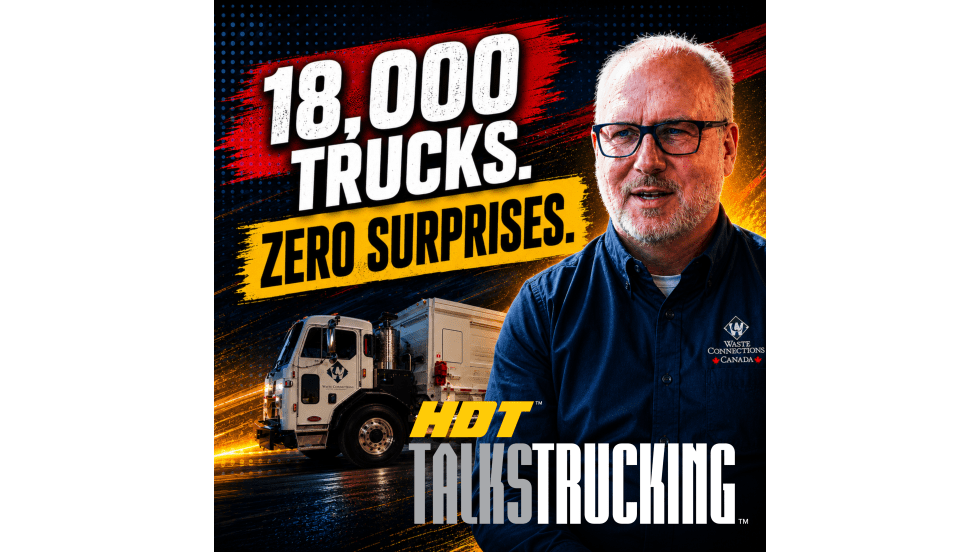
How Waste Connections is Using Data, Telematics, and AI
How do you manage and maintain more than 18,000 connected trucks? Data. Lots of it.
Read More →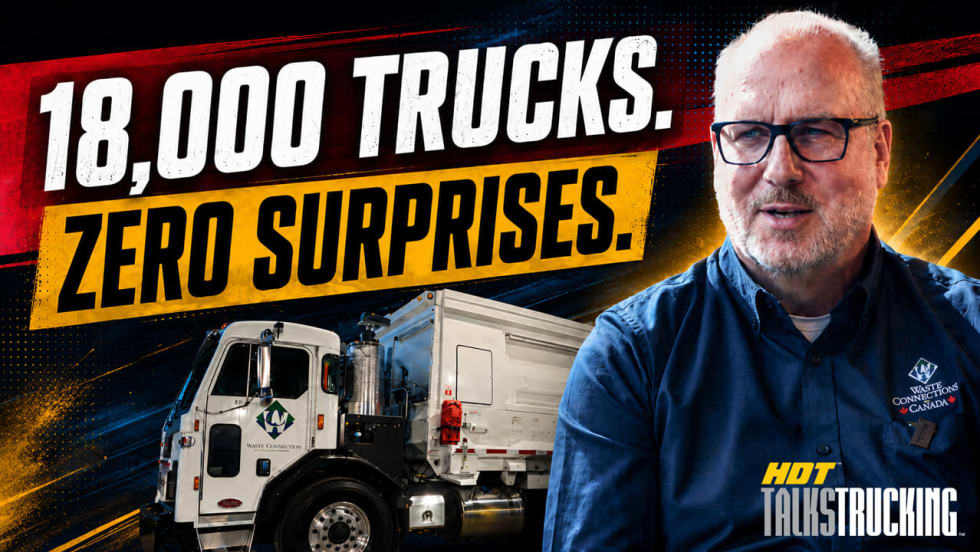
Why Fleet Data Matters More Than Ever at Waste Connections [Watch]
Waste Connections' Chuck Palmer explains how telematics, predictive maintenance, safety analytics, and AI help keep vehicles on the road and drivers safe in this episode of HDT Talks Trucking.
Read More →
NMFTA Launches Free, Anonymous Cybersecurity Threat Report Portal
Organizations are encouraged to anonymously report freight fraud, cargo crime, and cyber threats while gaining visibility into incidents reported across the transportation sector.
Read More →
AI Can Optimize a Fleet. Can It Replace Human Judgment?
Fleets fear falling behind if they don’t adopt AI quickly enough. They also fear what happens if the technology makes the wrong decision.
Read More →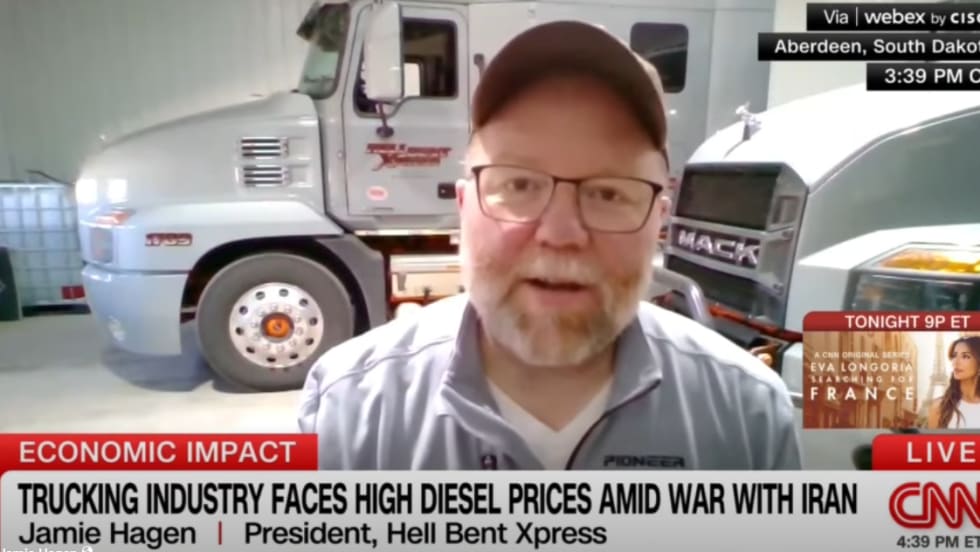
Jamie Hagen Gets Real About Running a Small Fleet in an Uncertain Economy
Small fleet owner Jamie Hagen says new legal risks, volatile fuel prices, and a changing freight market are forcing small carriers to rethink how they operate — and what they can afford.
Read More →
Jamie Hagen Gets Real About Freight, Fuel Prices, Safety, and Small-Fleet Survival
Running a small trucking fleet right now isn’t easy, especially right now. And Jamie Hagen doesn’t sugarcoat it.
Read More →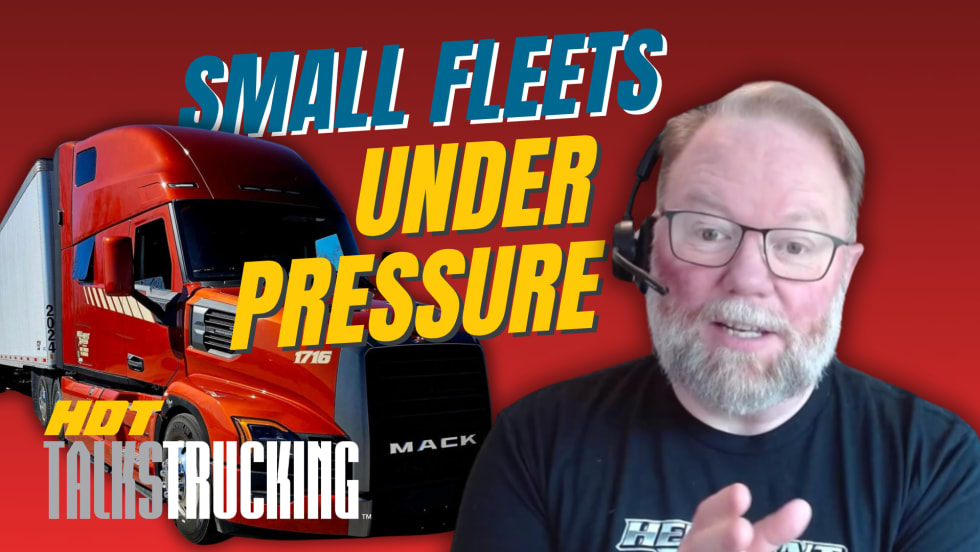
Jamie Hagen Gets Real About Freight, Fuel Prices, Safety, and Small-Fleet Survival
Running a small trucking fleet right now isn’t easy, especially right now. And Jamie Hagen doesn’t sugarcoat it.
Read More →