




Freight To Grow In Five Regions
Population shifts are expected to lead to growth in freight movement in five regions of the country
Population shifts are expected to lead to growth in freight movement in five regions of the country.
Estimates recently released by the Census Bureau show population continues to shift west and south and from rural to urban areas. Population grew 1.5% in the West, 1.2% in the South, 0.5% in the Midwest and 0.3% in the Northeast.
Population change in any region includes immigration from other countries, people moving in and out of the region within the U.S., and the natural increase (births minus deaths). The composition of the population change will affect freight volume, mix and lanes.
Domestic immigrants (people moving within the U.S.) typically move for a job and have above average income and goods consumption. Several regions have negative net domestic immigration: More people moved out to another state than moved in from another state. Every state in the old industrial belt from New York to Illinois is a net loser. Other losing regions are the Plains states just west of the Mississippi, California (mostly southern California), the Mississippi delta, and three isolated states without any of the new growth industries: New Mexico, Hawaii and Alaska. In New England, net domestic immigrations gains in the three northern states offset small losses in the three southern industrial states.
Where is everybody going? Florida, Georgia, North Carolina, Texas, Arizona, Colorado and Nevada are the main destinations.
Although many are initially desperately poor, foreign immigrants have above average per capita goods consumption within a few years because they are relatively young with few dependents. Foreign immigrants, now 35% of annual population growth, cluster in large urban centers and along the southern border. Over 70% of the 852,000 immigrants last year settled in six states: New York, New Jersey, Illinois, Texas, Florida and California.
A high ratio of births to deaths indicates a relatively young population, which will spend proportionately more on goods rather than services. The ratio of births to deaths is 2.18 in the West, 1.65 in the South (1.75 excluding Florida), 1.54 in the Midwest and 1.44 in the Northeast. It ranges from a low of 1.07 in West Virginia to a high of 3.45 in Utah.
In-bound freight volume is expected to grow most in the five regions with rapid population growth plus superior attractiveness to high-consuming immigrants and a relatively young high consuming population:
1. The Rocky mountains: Arizona, Nevada and Colorado plus Utah where the high birth rates offsets modest domestic outmigration.
2. The Pacific coast: Oregon, Washington plus California where the huge foreign immigration offsets the modest domestic outmigration.
3. The Southeast: Virginia, North Carolina, South Carolina and Georgia plus Florida where high immigration offsets the low rate of natural increase.
4. Texas
5. Minnesota.
More Fleet Management
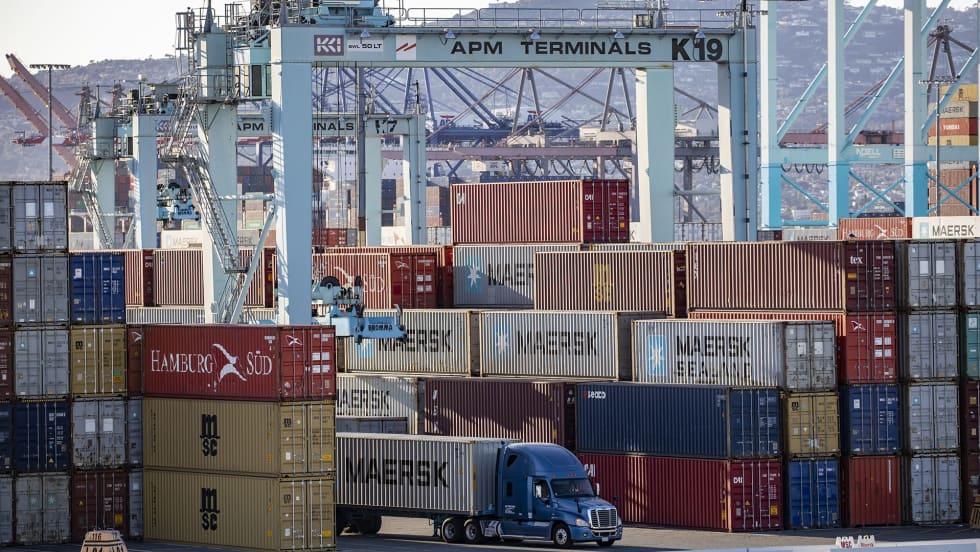
Import Cargo Volume to See Year-Over-Year Gain Again in June, Then Remain Below 2025 Levels Into Fall
After July, the report predicts a weakening in import volume as consumer uncertainty remains high and the impact of increasing inflation takes its toll.
Read More →
AUCTION OF EQUITY INTEREST IN HEAVY HAUL TRUCKING COMPANY!!
Mark your calendar: June 30, 2026 (10:00 a.m. PDT). MagnaTrans, LLC, a California limited liability company doing business as Magna Transportation Group is going to auction! Bid on a 37.5% ownership interest in this Rancho Cucamonga-based heavy haul and over-dimensional trucking company operating across California, Oregon, and Arizona. The equity interest will be sold to the highest bidder or bidders under Article 9 of the Uniform Commercial Code at 10:00 a.m. PDT.
Read More →
Volvo Trucks Adds Unattended Over-the-Air Software Update Capabilities
The latest evolution of Volvo’s over-the-air update technology allows software updates to run while trucks are parked, helping fleets keep vehicles current without disrupting operations.
Read More →

How Waste Connections is Using Data, Telematics, and AI
How do you manage and maintain more than 18,000 connected trucks? Data. Lots of it.
Read More →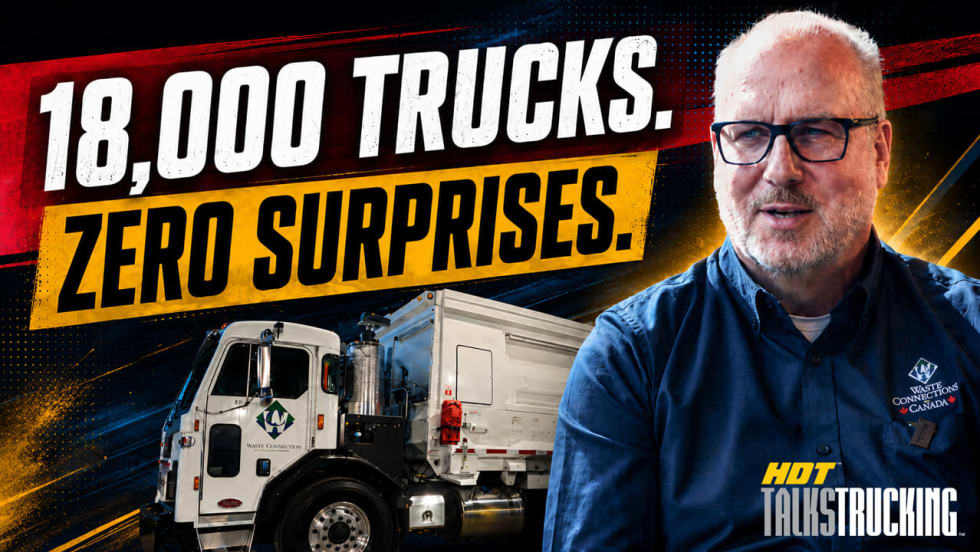
Why Fleet Data Matters More Than Ever at Waste Connections [Watch]
Waste Connections' Chuck Palmer explains how telematics, predictive maintenance, safety analytics, and AI help keep vehicles on the road and drivers safe in this episode of HDT Talks Trucking.
Read More →
NMFTA Launches Free, Anonymous Cybersecurity Threat Report Portal
Organizations are encouraged to anonymously report freight fraud, cargo crime, and cyber threats while gaining visibility into incidents reported across the transportation sector.
Read More →
AI Can Optimize a Fleet. Can It Replace Human Judgment?
Fleets fear falling behind if they don’t adopt AI quickly enough. They also fear what happens if the technology makes the wrong decision.
Read More →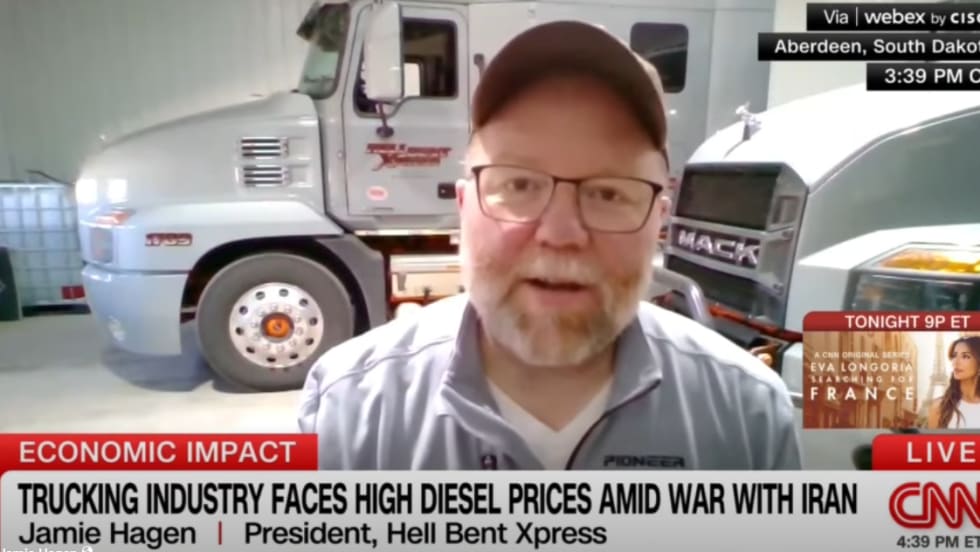
Jamie Hagen Gets Real About Running a Small Fleet in an Uncertain Economy
Small fleet owner Jamie Hagen says new legal risks, volatile fuel prices, and a changing freight market are forcing small carriers to rethink how they operate — and what they can afford.
Read More →
Jamie Hagen Gets Real About Freight, Fuel Prices, Safety, and Small-Fleet Survival
Running a small trucking fleet right now isn’t easy, especially right now. And Jamie Hagen doesn’t sugarcoat it.
Read More →
Jamie Hagen Gets Real About Freight, Fuel Prices, Safety, and Small-Fleet Survival
Running a small trucking fleet right now isn’t easy, especially right now. And Jamie Hagen doesn’t sugarcoat it.
Read More →