




OOIDA: States Must Pass Rules Before Federal ELD Mandate Is Enforced
Just when you thought further action to halt or delay the ELD rule was beyond unlikley, OOIDA has petitioned FMCSA anew.


Photo: FMCSA

Photo: FMCSA
The Owner-Operator Independent Drivers Association filed a petition with the Federal Motor Carrier Safety Administration on Aug. 29 asking it to delay the implementaton of the ELD mandate that goes into effect Dec. 18, contending that “26 states have not yet incorporated an electronic logging regulation into state law and are not authorized to enforce the rule until they do so.”
OOIDA said that it “supports a proposed delay to the mandate due to a growing number of reasons, including the lack of preparedness” of law enforcement agencies. The association’s petition says that more than 20 states are “years behind in adopting amendments and additions to the Federal Motor Carrier Safety Regulations into state law.”
In addition, OOIDA claimed in a press release that to qualify for federal grants under the Motor Carrier Safety Assistance Program, states are required to incorporate the FMCSRs or their equivalent into state law. “In 2016, 95% of motor carrier and driver enforcement violations were issued by MCSAP states,” the association noted.
The petition also states that “serious legal problems arise because states are attempting to enforce federal safety standards that have not been made part of state law. OOIDA contends that when FMCSA amends its regulations, the states must incorporate those amendments into state law before they can enforce them.”
“We are concerned about numerous states issuing citations for the violation of non-existent state laws,” said Todd Spencer, OOIDA executive vice president. OOIDA noted, for example, that Delaware has not updated its incorporation of the FMCSRs since 2006; Arizona last updated its in 2012, and Kansas did so only in 2013.
“That means that new regulations and amendments to old regulations promulgated by FMCSA since the last incorporation date for these states are not part of state law,” continued Spencer.
In its news release, OOIDA also referenced the action taken earlier this week by the Commercial Vehicle Safety Alliance. As reported by HDT on Aug. 28, CVSA sees no reason to delay the December start date for the electronic logging device mandate, but its members will delay implementing out-of-service criteria related to ELDs until April 1, 2018. In addition, CVSA said each jurisdiction will have discretion as to whether they actually issue citations in the beginning.
However, OOIDA apparently is not satisfied with that approach. “We know that state enforcement officers lack the training and equipment to operate in an ELD environment,” said Spencer. “This lack of preparedness should come as no surprise given that half the states have not even adopted FMCSA’s ill-conceived ELD rule into state law.
“No state law enforcement should be implementing the ELD mandate until they actually adopt the mandate into state law and train and equip their enforcement personnel to enforce it properly,” he added.
HDT contacted both FMCSA and CVSA to independently ascertain the validity of OOIDA’s view that states must incorporate their own ELD rules before they can enforce the federal ELD mandate. FMCSA has not yet replied.
As for CVSA, Deputy Executive Director Adrienne Gildea told HDT that it is too early for the group to comment on the OOIDA petition. “We’ve only just received it ourselves and are currently in the process of gathering the necessary information in order to effectively respond to OOIDA’s assessment,” she said.
More Drivers
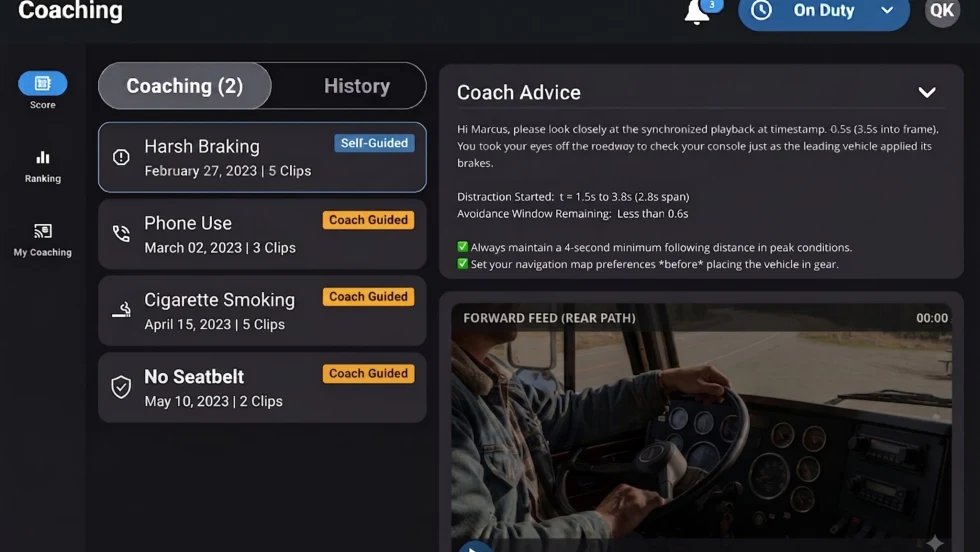
Platform Science Adds Dispatch and Safety Tools
Four additions to PS Fleet help fleets monitor loads, manage driver coaching, share truck locations and adjust video system settings.
Read More →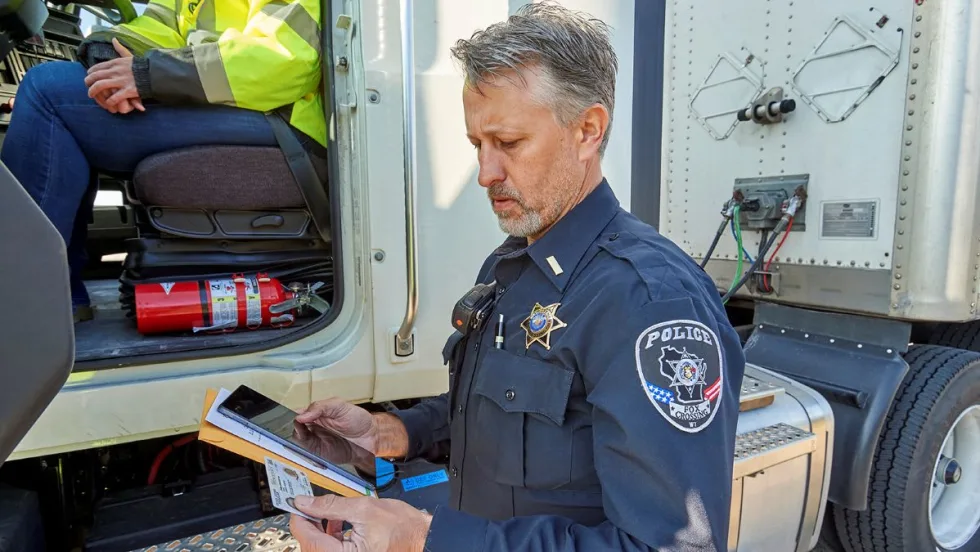
When Language Stops the Truck: The Return of ELP Out-of-Service Orders
English language proficiency rules for commercial drivers aren’t new, but renewed out-of-service enforcement has raised the stakes. Here’s what carriers need to know before a driver reaches a roadside inspection.
Read More →
Samsara Launches Custom AI Agent Builder
Agent Studio lets fleets create AI tools for hours-of-service monitoring, reporting and driver support, including agents that communicate by phone.
Read More →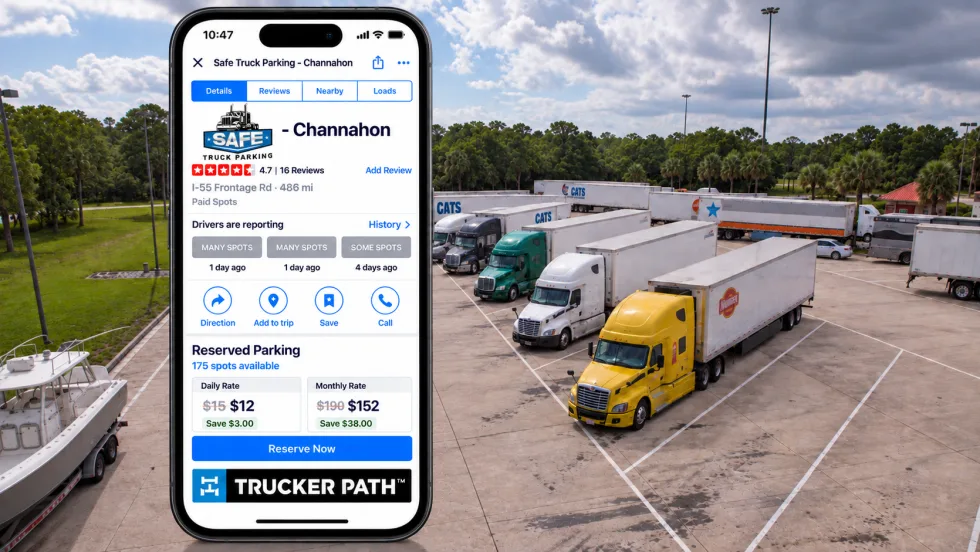
Trucker Path Expands Reserved Parking Network
Trucker Path has added close to 6,000 more truck parking spaces to its Trucker Path Reserved Parking Network with the addition of Safe Truck Parking.
Read More →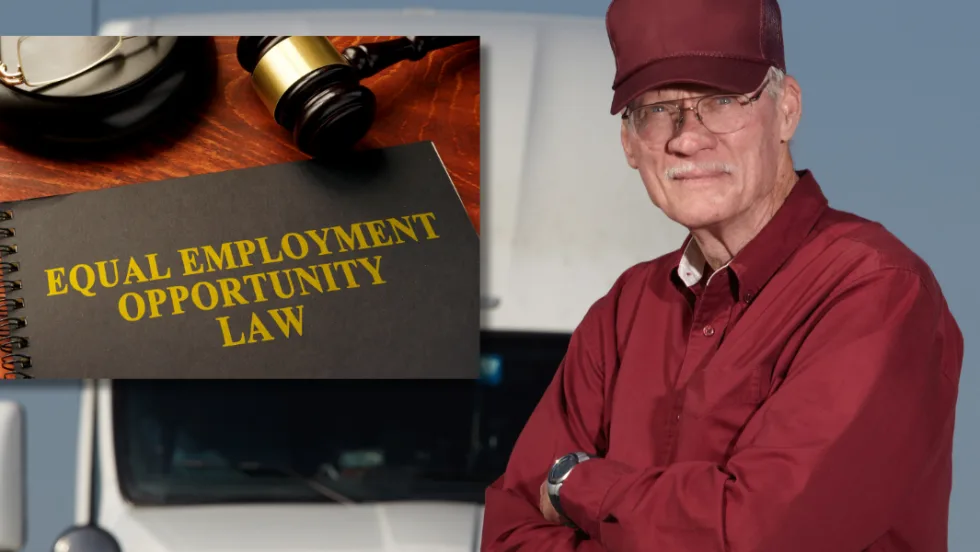
EEOC Sues Texas Trucking Company Over Driver Age Limits
The agency says Trancasa USA rejected applicants over 65 and applied tougher driving-record standards to those over 60.
Read More →
Nussbaum, Roehl Announce Second Driver Pay Increase This Year
This year has seen a swath of major truck driver pay increases as freight capacity has tightened.
Read More →
From One Generation to the Next: How Mentorship Builds Safer Truck Drivers
After three decades in trucking, Harold Perry shares what he's learned about driver safety, mentorship, and helping the next generation build confidence behind the wheel.
Read More →
Truck Drivers Need More Than Another Alert
Fleets have more visibility into truck health, safety events, and driver activity than ever. The next challenge is turning all that information into useful guidance for the person who has to decide what to do next.
Read More →
FMCSA Removes 110 Truck Driver Training Schools from Certified ELDT List
Federal regulators also are targeting more than 160 additional training providers and launching a nationwide audit of third-party CDL skills testers as part of a broader crackdown on trucking fraud.
Read More →
Hours of Service Pilot Programs: FMCSA Readies for 2027 Rollout
Two pilot programs could eventually reshape hours-of-service rules, giving truck drivers options to pause their 14-hour clock or use longer split sleeper rest periods.
Read More →