




Related: Q&A: ATA Chairman Pat Thomas on What's Ahead in Lobbying
Report: Trucking Can Play a Big Role in Energy Security
The non-profit, nonpartisan group Securing America’s Future Energy has released a report on how the U.S. can remain on the path to greater energy security that includes recommendations for the trucking industry.
by Staff
May 20, 2016
Image via SAFE
3 min to read

Image via SAFE
The non-profit, nonpartisan group Securing America’s Future Energy has released a report on how the U.S. can remain on the path to greater energy security that includes recommendations for the trucking industry.
The 160-page report is titled "National Strategy for Energy Security: The Innovation Revolution." It offers recommendations on policies that will help the country navigate the global oil market and transform the transportation sector.
One of the primary recommendations the report outlines is to increase fuel diversity in transportation. While improving fuel efficiency is one aspect of reducing reliance on foreign oil, SAFE believes that the priority should be shifted to advancing policies that replace oil-based fuels in the transportation sector.
SAFE calls for improved incentives for medium- and heavy-duty advanced fuel vehicles, such as natural gas-powered trucks. The report recommends specific dollar incentives for vehicles based on size and the price differential between diesel and the applicable advanced fuel.
The report also wants Congress to establish a grant system to install more CNG and LNG fueling stations along high-priority corridors. This would reduce concerns about alternative fueled vehicle range and availability of fueling options. It suggests that congress should pass a two-year extension of the Alternative Fuel Excise Tax Credit to reduce uncertainty about longer-term projects.
Establishing a diesel gallon equivalent standard is also recommended, aimed at creating consistency and clarity in the marketing and dispensing of CNG and LNG fuel. This could help fleets and drivers see exactly how much is being saved by using the alternative fuel.
SAFE wants to create performance-based standards for freight trucks. It says that millions of avoidable truck trips occur every year due to a “burdensome set of prescriptive standards that limit the length of trucks and trailers.”
The council believes that performance-based standards will allow for flexibility and get the industry to design trucks that are more specialized for intended cargo. In the interim, SAFE wants Congress to extend the length of twin trailers from 28 to 33 feet.
Lastly, the report calls for the acceleration of rules for truck platooning. It believes the technology has demonstrated its viability as a way to save fuel. SAFE also believes that platooning is an important step toward truly autonomous vehicles. With Congress and the Department of Transportation establishing standards for all states to adopt, fleets and truck owners would be able to invest in the system and accelerate its growth.
SAFE is made up of business and military leaders with a goal of securing the country’s economic and national security by reducing reliance on oil. The group and its staff produce analysis and make policy recommendations for lawmakers, regulatory agencies and the public.
For a look at the full report, click here.
More Fleet Management
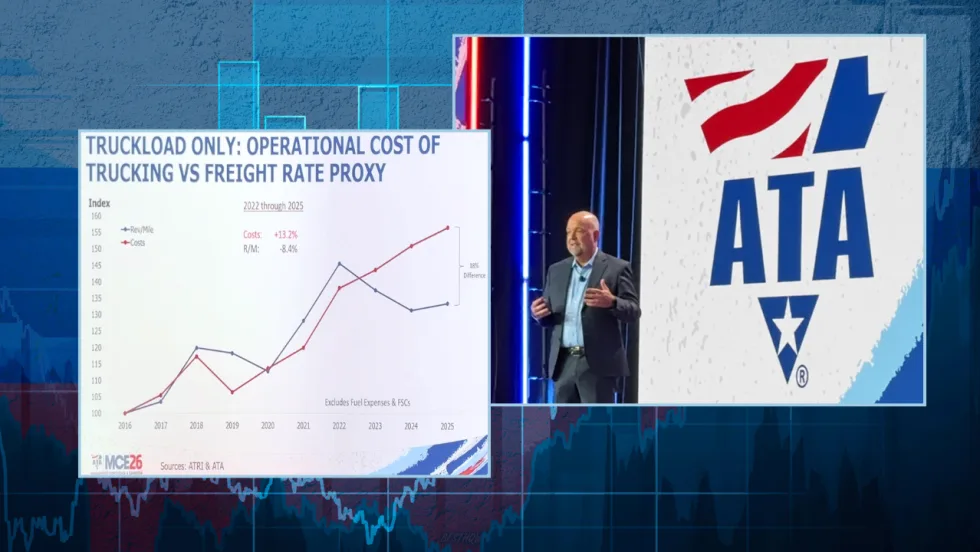
Why This Trucking Recovery Is Different
Freight demand remains sluggish, but rising costs and tougher enforcement have taken enough capacity out of the market to change the outlook for motor carriers.
Read More →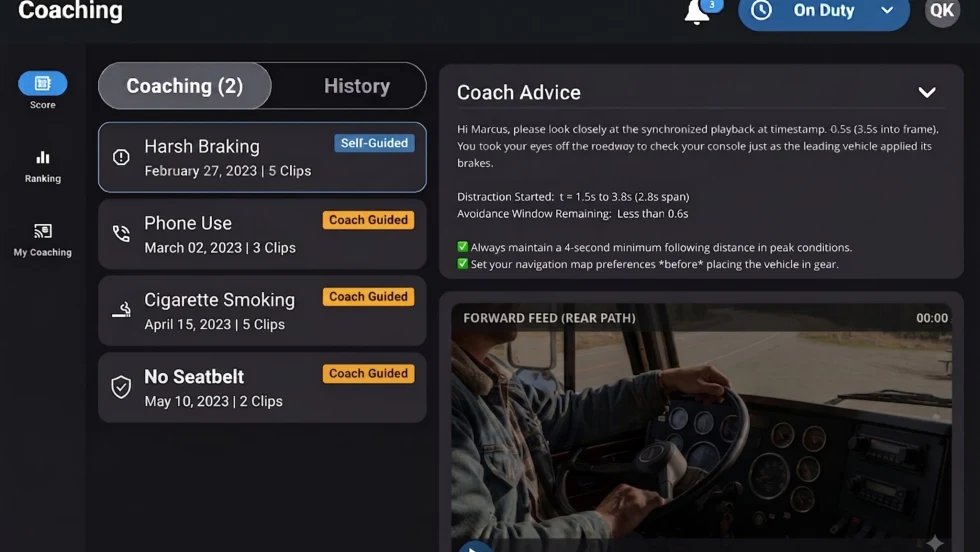
Platform Science Adds Dispatch and Safety Tools
Four additions to PS Fleet help fleets monitor loads, manage driver coaching, share truck locations and adjust video system settings.
Read More →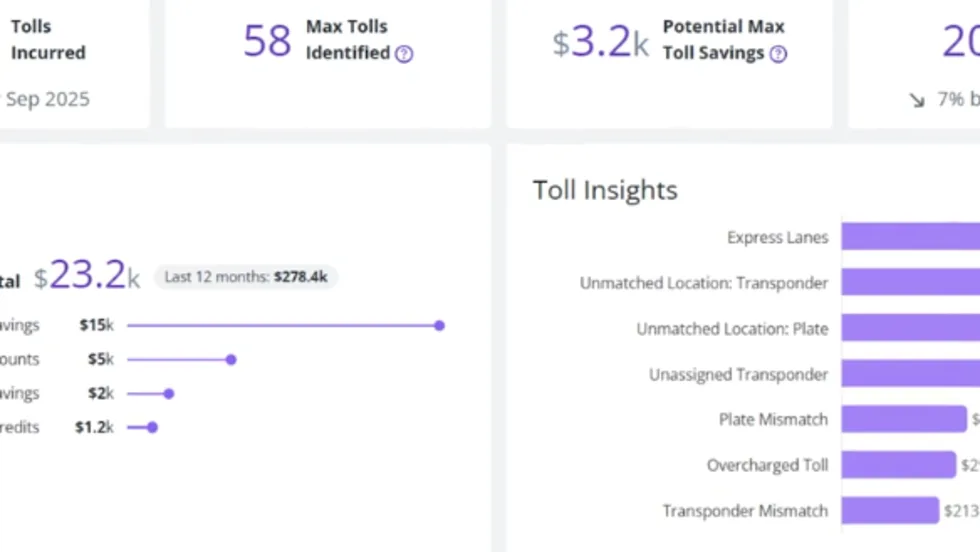
PrePass Intelligence Mines Fleet Bypass, Toll and Safety Data
PrePass Intelligence helps fleets measure bypass savings, flag potential toll overcharges, and spot suspicious transactions by combining data from separate systems.
Read More →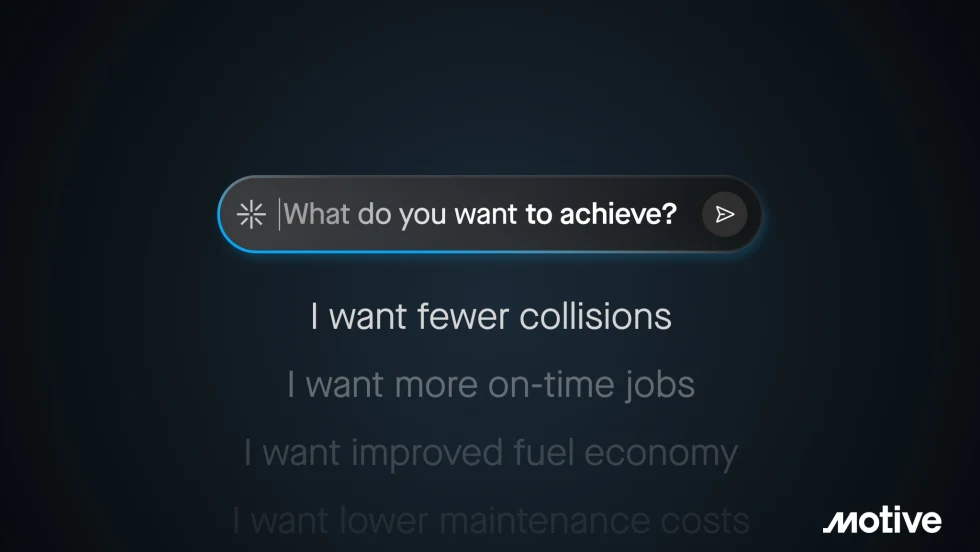
Motive Adds AI Agents for Fleet Operations
New tools automate follow-up on fleet data, from maintenance work orders to driver alerts, with two-way voice conversations planned for later this year.
Read More →
Can You Beat Our Trucking Trivia Challenge?
Test your truck knowledge with 19 trivia questions from Heavy Duty Trucking Exchange. Can you keep up with the fleet pros?
Read More →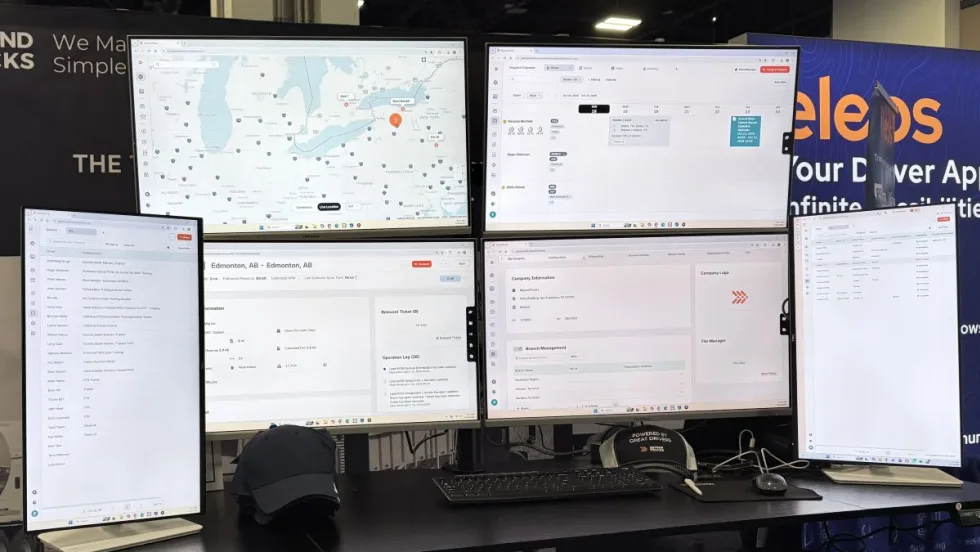
BeyondTrucks Adds Rules Checks to Dispatch
New Compatibility Engine checks driver qualifications, equipment requirements and fleet policies before loads are dispatched.
Read More →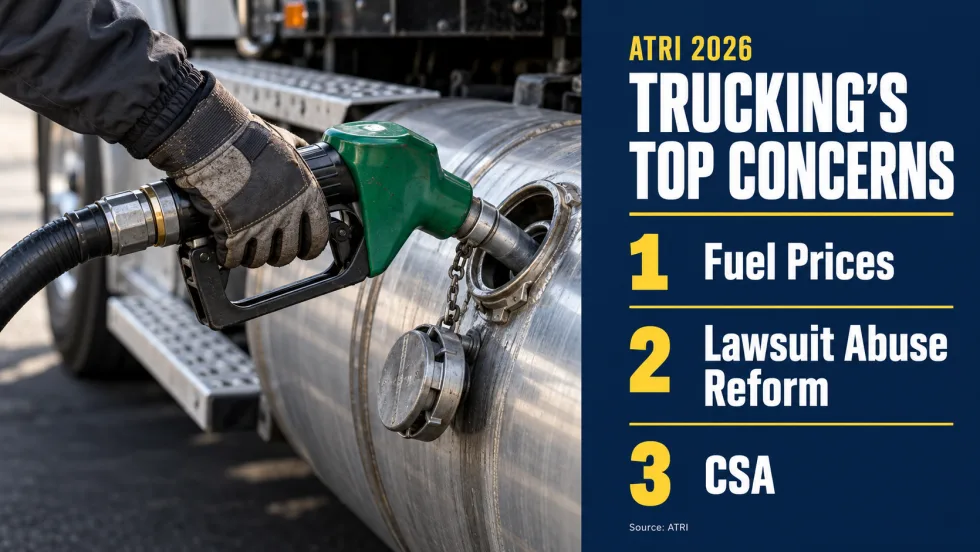
Diesel Prices Hijack Trucking’s Worry List
ATRI’s annual survey finds cautious optimism about freight, but diesel costs, litigation, and insurance continue to squeeze fleets. Drivers have different priorities on several issues.
Read More →
Nomination Deadline Extended for HDT Emerging Leaders
Just a few more days to nominate accomplished trucking fleet professionals under 40 who are making an impact and helping lead the industry forward for the HDT Emerging Leaders award. Deadline extended to October 20!
Read More →
What Will ATA’s New Leader Bring to Trucking's Table?
Incoming President and CEO Mark Colson’s record in Alabama offers clues about his priorities and approach following Chris Spear’s abrupt departure as the head of the American Trucking Associations.
Read More →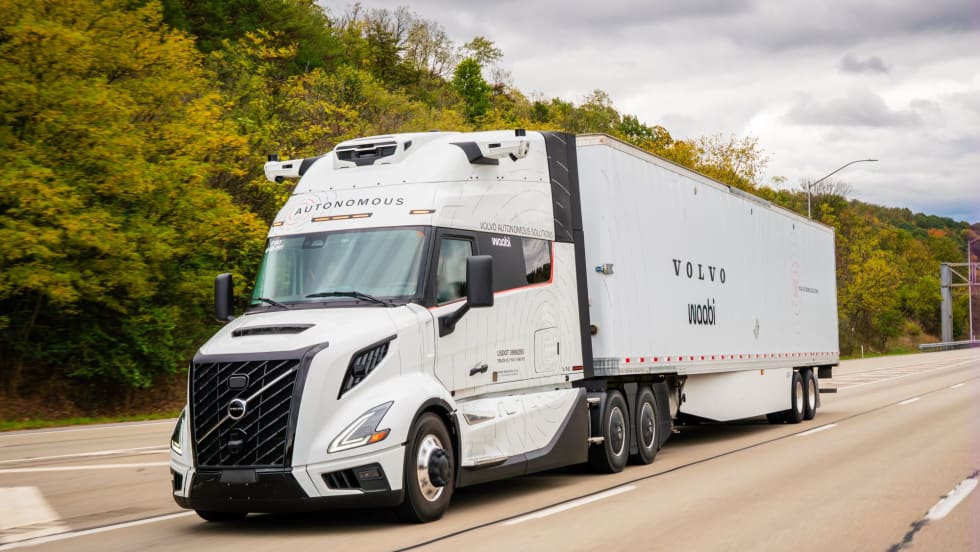
Volvo, Waabi Start Commercial Autonomous Operations in Texas
Volvo VNL Autonomous trucks, powered by the Waabi Driver, are hauling freight directly to third-party facilities for a customer in Texas.
Read More →