




Self-Driving Robots: Delivery Fleet of the Future?
Starship Technologies, a new company launched by former Skype co-founders, will introduce fleets of delivery robots, which will have zero cost, zero waiting time and zero carbon dioxide emissions.
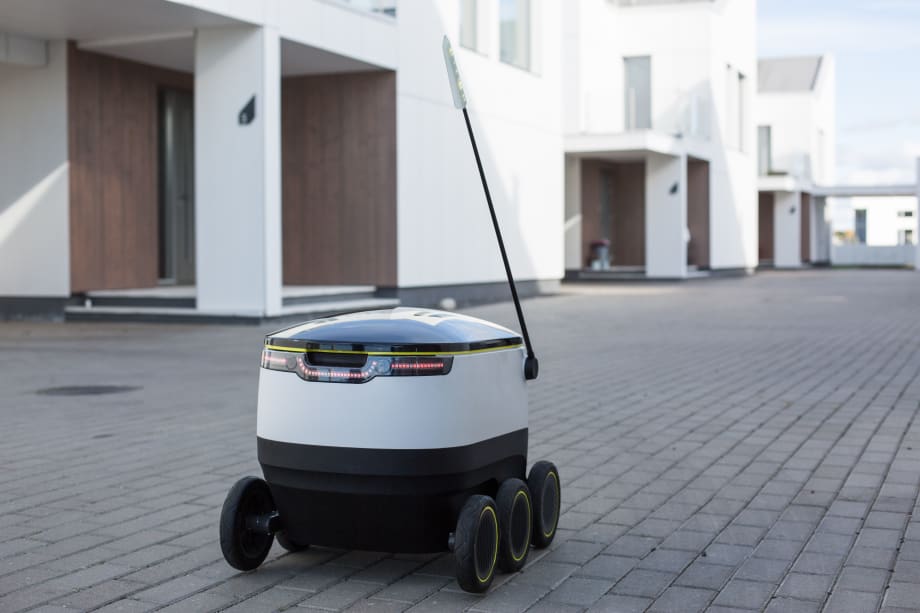
One of Starship Technologies' delivery robots. Photo via Starship Technologies.

One of Starship Technologies' delivery robots. Photo via Starship Technologies.
Launched by former Skype co-founders, Starship Technologies will introduce fleets of small delivery robots.
These robot fleets will open up new opportunities for businesses such as parcel delivery firms or grocery stores, according to the company.
“Our vision revolves around three zeroes — zero cost, zero waiting time and zero environmental impact,” said Ahti Heinla, a Skype co-founder and CEO at Starship Technologies. “We want to do to local deliveries what Skype did to telecommunications.”
Capable of carrying the equivalent of two grocery bags, the robots can complete local deliveries within five to 30 minutes from a local hub or retail outlet — for 10-15 times less than the cost of current last-mile delivery alternatives, according to the company.
Customers can choose from a selection of short, precise delivery slots — meaning goods arrive at a time that suits them. During delivery, shoppers can track the robot’s location in real time through a mobile app. And on arrival only, the app holder is able to unlock the cargo.
Integrated navigation and obstacle avoidance software enables the robots to drive autonomously, but they are also overseen by human operators who can step in to ensure safety at all times, says the company.
For businesses, Starship’s technology eliminates the largest inefficiency in the delivery chain: the last mile. Instead of door-to-door delivery, retailers can ship the goods in bulk to a local hub. Then the robot fleet completes the delivery to the shopper’s door for a fraction of the cost, according to the company.
“With ecommerce continuing to grow, consumers expect to have more convenient options for delivery — but at a cost that suits them,” said Heinla. “The last few miles often amount to the majority of the total delivery cost. Our robots are purposely designed using the technologies made affordable by mobile phones and tablets — it’s fit for purpose and allows for the cost savings to be passed on to the customer.”
The robots are intended to slip seamlessly and safely into the environment. “They travel at the slow speed of four miles per hour — a brisk walking pace,” said Heinla. “They don’t fly — these are not drones. They travel on pavements/sidewalks, blending safely in with pedestrian traffic.”
Starship Technologies is currently testing and demonstrating prototypes and plans to launch the first pilot services with its service partners in the U.S., U.K. and other countries in 2016, says the company.
More Fleet Management
For Nicky Cupp, Fleet Innovation Starts With Frustration
HDT Truck Fleet Innovator Nicky Cupp turns everyday pain points at Fraley & Schilling into opportunities for better technology and smarter processes.
Read More →
Adam Buttgenbach’s Approach to Electric Trucks: Start With Where They Fit
HDT Truck Fleet Innovator Adam Buttgenbach helped PepsiCo build one of North America’s largest EV fleets by focusing on where electric trucks make operational sense.
Read More →
Deen Albert: Let Automation Do the Math, People Make the Decisions
HDT Truck Fleet Innovator Deen Albert makes sure people are still at the heart of operations at Grand Island Express, even while adopting artificial intelligence tools. AI-assisted dispatch helped boost revenue 25% with the same number of trucks.
Read More →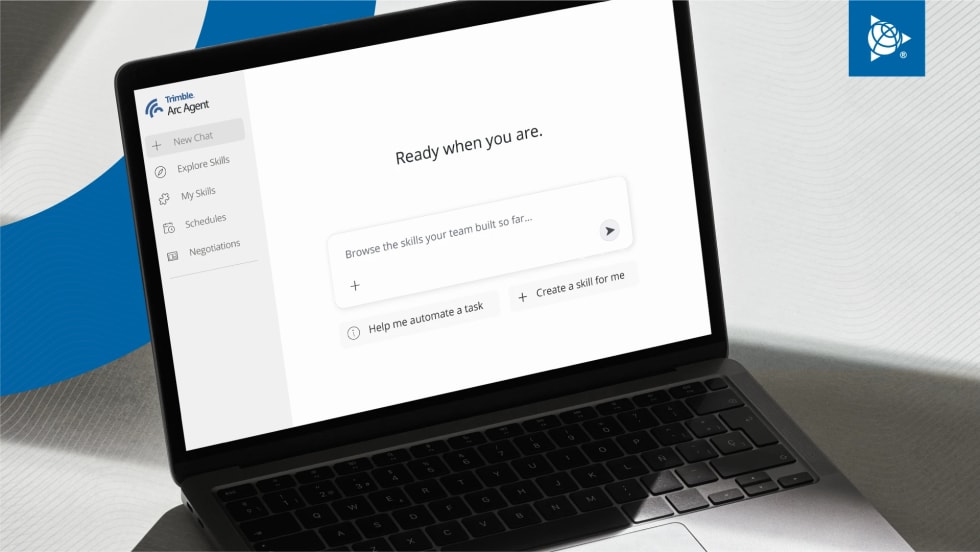
Trimble’s New AI Agent Takes Aim at Fleet Back-Office Busywork
Arc Agent works across Trimble TMS products to automate repetitive tasks such as freight orders, maintenance, invoices, fuel costs and more.
Read More →
How HDT’s 2026 Truck Fleet Innovators Are Rethinking Fleet Operations
Meet five trucking leaders who are challenging assumptions, solving operational problems, and putting innovative ideas to work.
Read More →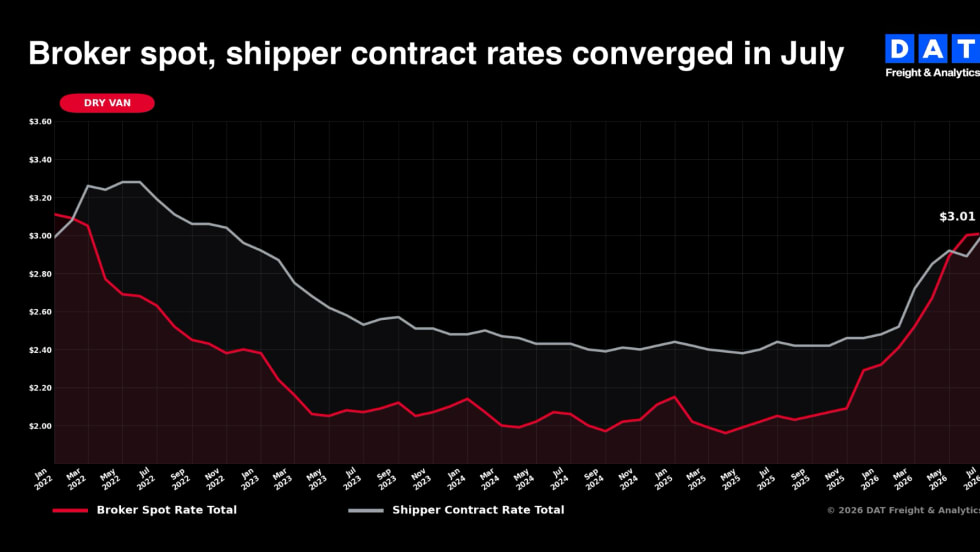
Tight Trucking Capacity Pushes Rates Higher Even as Freight Volumes Fall
“Spot rates moving ahead of contract rates have historically signaled a tightening market, but we haven’t seen a capacity-driven market quite like this one,” said DAT's Dean Croke.
Read More →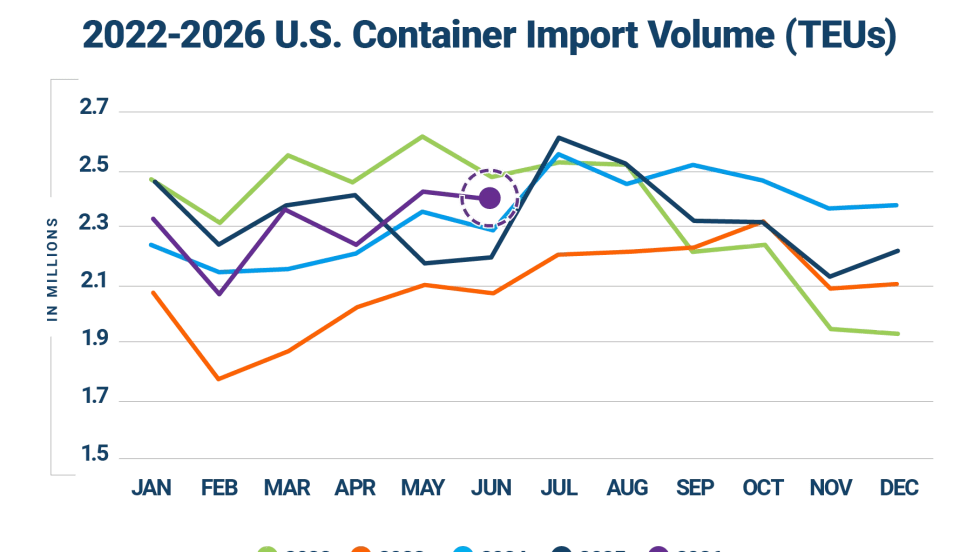
Import Cargo’s Early Peak Season is Winding Down
There was an early start to peak season this year at the nation's gateway ports, as retailers brought in merchandise ahead of tariff changes in late July and responded to other supply chain uncertainties,
Read More →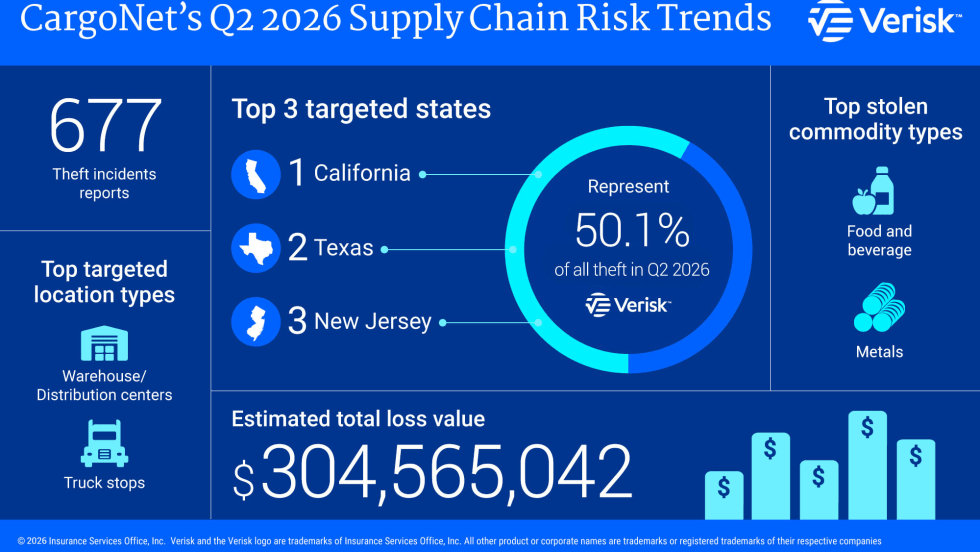
Fewer Cargo Thefts, Bigger Losses: Criminals Target Higher-Value Loads
CargoNet says organized theft rings are stealing fewer shipments but choosing more valuable freight, including metals and technology, resulting in record losses.
Read More →
How Innovative Trucking Leaders Turn Change Into an Advantage
As the pace of change accelerates in trucking, the fleets that adapt best have more than the latest technology. They have cultures that embrace improvement.
Read More →
Freight Broker Bonds Just Got Harder to Get. Here's What That Means for Your Fleet.
When it gets harder for a freight broker to prove they are financially sound, the ones who cannot clear that bar get pushed out of the market. And those are exactly the brokers who used to leave motor carriers holding the bag.
Read More →