




Special Web Section: What Fleets Need to Know About Natural Gas
In the August issue of HDT, we kicked off a series on "Natural Gas: What Fleets Need to Know." In addition to the features in the magazine, on this page we offer additional online articles and resources


In the August issue of HDT, we kicked off a series on "Natural Gas: What Fleets Need to Know." In addition to the features in the magazine, on this page we offer additional online articles and resources.
We'll be adding to this page as we go along, so bookmark it and visit us again.
The HDT Print Series
Natural Gas: What Fleets Need to Know, Part 1
In 2011, the use of natural gas as a vehicle fuel rose 7.1% year over year and 38% from 2006, federal data show. It more than doubled during the past decade, to 38.85 million cubic feet in 2011.
Natural Gas: What Fleets Need to Know, Part 2: New Engines, More Options
A limited number of engine options has meant it's just not a viable strategy for some fleets, especially the type of regional linehaul fleets that may be best poised to take advantage of the limited but growing fueling infrastructure. That's set to change significantly in the next two years.
Natural Gas, What Fleets Need to Know Part 3: What's the Payback?
The environmental and image benefits of being "green" and reducing dependence on foreign oil are among the reasons fleets are looking at natural gas fuel for trucks, but even the most diehard "green" fleet is still looking for a return on its investment.
Fleet Stories
Learn About Fleets Using Natural Gas.
A growing number of fleets are testing or making large-scale deployments of natural gas powered vehicles. Read about FedEx Freight, Talon Logistics, Saddle Greek, and other companies, including a slide show.
More About Natural Gas
Six Questions to Ask Yourself about Natural Gas
Interest is high in natural gas as a heavy-duty truck fuel. With a dollar per diesel-equivalent gallon differential, why wouldn't it be? Natural gas is likely to remain less expensive than diesel for the foreseeable future, and domestic supplies of the stuff are plentiful. Is natural gas a savior-in-waiting for beleaguered diesel buyers? Maybe, but here are six questions you need to ask before taking the plunge.<!break>
Carriers Looking at Natural Gas, See Fuel Availability, Equipment Cost as Hurdles
More than half of large carriers say they are considering buying natural gas fueled trucks, but there are hurdles, according to a study from Transport Capital Partners and ACT Research.
Study: Annual Sales of Natural Gas Trucks and Buses Will Surpass 180,000 by 2019
A new report from Pike Research forecasts steady growth in the market for natural gas trucks and buses.
Equipment
Natural Gas Truck and Engine Information
Announcements about new natural gas engines, bi-fuel engines and aftermarket conversion systems are coming faster and faster.
Fueling
Natural Gas Fueling Infrastructure Growing
One of the key roadblocks to wider adoption of natural gas fuel by the trucking industry has been a lack of fueling infrastructure. In the past, natural gas was mostly an option only for companies that could return to a central fueling station each night. That's changing, as you'll see in this sampling of recent announcements.
VIDEO: Filling up a CNG-fueled UPS delivery truck:
REFERENCES:
Clean Cities Alternative Fuel Price Report
The DOE's Alternative Fuels Data Center provides a comparison of CNG, diesel, biodiesel and other fuels on both a straight price comparison and an energy-equivalent basis every three months.
The Department of Energy's Natural Gas Outlook
CNG Now
Offers information on natural gas, including updates on federal legislation, such as the NAT GAS Act, designed to increase the use of natural gas as a vehicle fuel. The site is sponsored by companies in the natural gas industry, including Chesapeake Energy, Cummins Westport and Clean Energy.
The Center for Liquefied Natural Gas
Provides a clearinghouse of educational and technical information compiled by this trade association of LNG producers, shippers, terminal operators and developers, and energy trade associations.
Results of a study by the Department of Energy on UPS' CNG fleet
NGVAmerica's list of aftermarket natural-gas conversion systems
NGVAmerica's information on funding and incentives
Video/presentation: When to use LNG vs. CNG for Trucking (Clean Energy Fuels)
DOE's advanced vehicles data center: Natural gas
DOE alternative fueling locator
(Note that not all CNG or LNG fueling locations may be suitable for commercial vehicles use.)
Freightliner's LA-to-DC on CNG trip
More Fuel Smarts
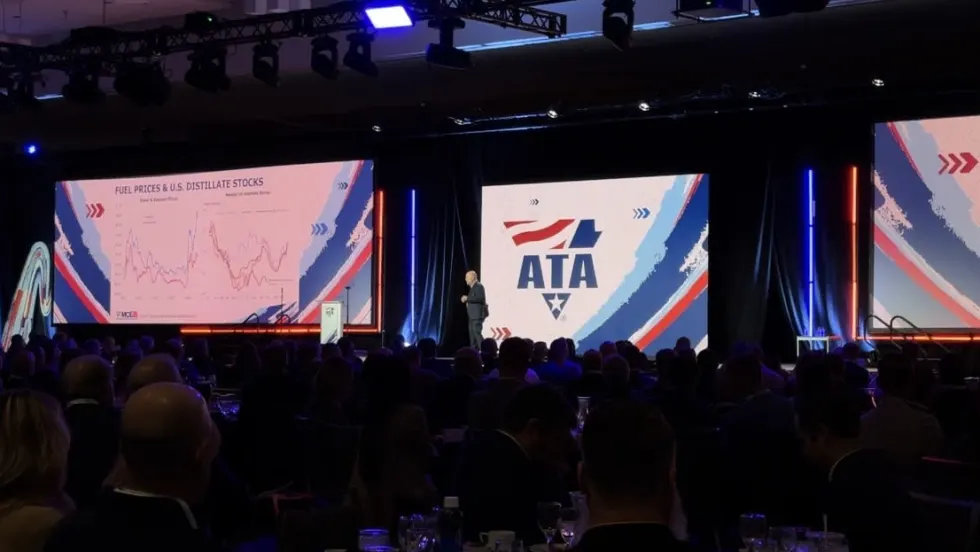
Trucking’s Diesel Squeeze Isn’t Letting Up
With diesel topping $6 a gallon nationally, ATA's Bob Costello explains why fleets should prepare for continued pressure at the pump.
Read More →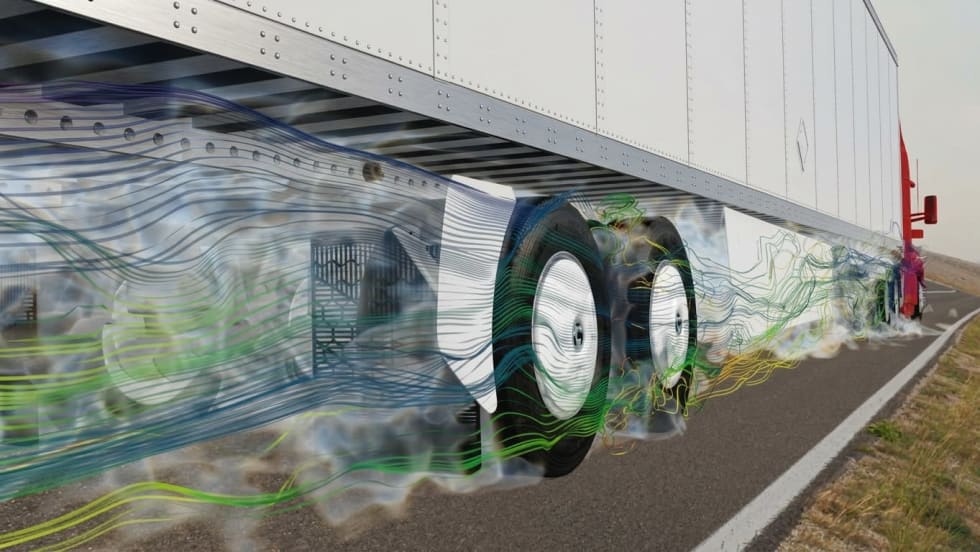
FlowBelow Redesigns Trailer AeroSlider to Cut Fuel Use
The lighter trailer aerodynamic system installs in less than 45 minutes, according to the company, with potential payback in under a year depending on fuel prices and trailer mileage.
Read More →
Why Diesel Price Relief Efforts May Fall Short
Diesel prices have eased from September’s record high, but doubts about additional Russian supply and limits on dyed-diesel tax relief mean trucking fleets still face expensive fuel. And prices could go higher.
Read More →
Why Small Fuel Savings Matter in Trucking
Can better fuel economy help pay for driver raises? In this podcast, GP Transco explains how small efficiency gains create room to reinvest in its people.
Read More →
How GP Transco Cuts Trucking Fuel Costs, a Tenth of a Gallon at a Time
What’s another tenth of a mile per gallon worth? GP Transco shares how equipment upgrades and driver coaching turn small gains into meaningful fuel savings.
Read More →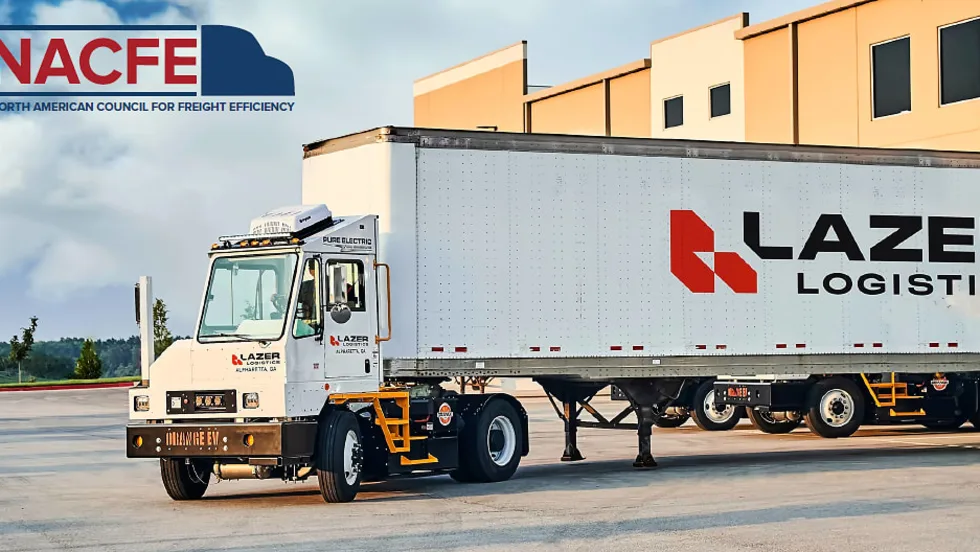
Electric Yard Tractors Move Beyond Pilots
Operating-cost savings have overtaken sustainability goals as the leading reason surveyed fleets are adopting battery-electric terminal tractors, according to new NACFE research.
Read More →
Geotab Links Fleet Card to Vehicle Data
The new card combines fuel discounts with telematics-based purchase controls. Geotab’s analysis also points to potential savings from choosing lower-priced fuel stops.
Read More →
Fleet Economics Shape Electric Truck Outlook
ACT Research expects costs, charging infrastructure, and technology improvements to drive zero-emission commercial vehicle adoption as federal regulations and incentives retreat.
Read More →
Wex Adds Cardless Fuel Payments for Over-the-Road Customers
A new fuel card feature for Wex customers offers convenience and security.
Read More →
New California Law Could Shed Light on Electric Truck Prices
Why do battery-electric Class 8 trucks remain so expensive? A California bill signed by Gov. Gavin Newsom would give fleets and state agencies more visibility into what manufacturers charge.
Read More →