




Related: DOT Declares Volvo Steering Defect Recall 100% Complete
Volvo Recalls Over 6,000 Trucks Due to Potential Brake Issue
Volvo Trucks North America has issued a recall of certain VNL, VNM and VNX truck models to incorrect software for controlling the electronic air dryer that may result in oil and water contaminating the brake system.
by Staff
January 13, 2017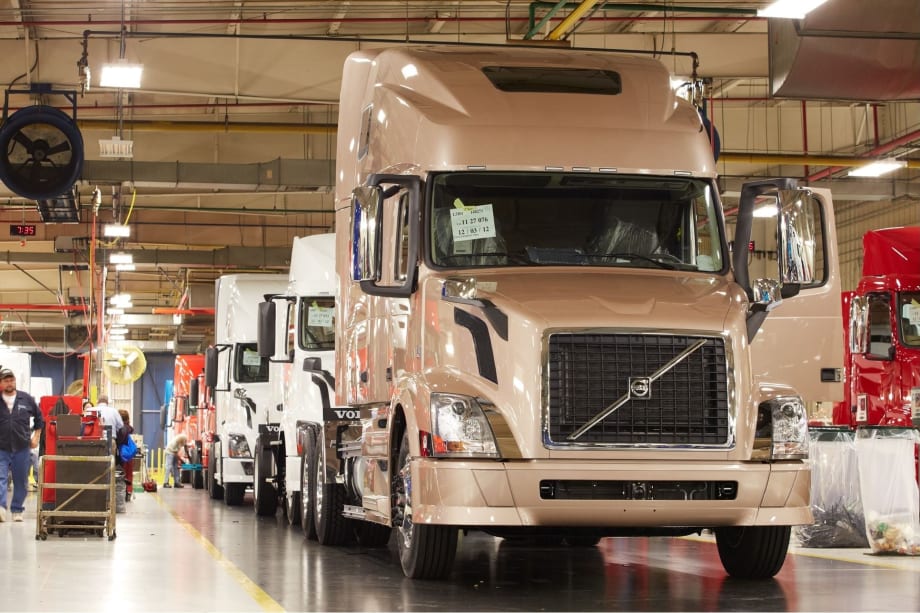
2 min to read
Volvo Trucks North America has issued a recall of certain VNL, VNM and VNX truck models to addess incorrect software for controlling the electronic air dryer that may result in oil and water contaminating the brake system.
The recall affects 6,127 vehicles manufactured from April 11, 2012 through September 30, 2016 with an electronic air dryer. These trucks include VNL and VNM of model years 2013-2017 and the 2017 VNX.
The defect stems from incorrect parameters used to control the cycling of the electronic air dryer. The parameters were set to low at 1/3 of the required volume of air to purge the desiccant. As a result, more condensation may occur and be passed through the air system.
That can allow oil and water to contaminate the brake system, which would affect brake performance over time and in certain conditions, such as cold weather. The repair involves reprogramming the vehicle control module with the correct parameters for the air dryer and may also include replacement of the air dryer filter.
There have been no reports of accidents related to the defect, which was discovered in Oct. 216. After an investigation, Volvo informed the National Highway Traffic Safety Administration that a voluntary safety recall would be conducted to address the issue.
Volvo has already notified dealers of the issue and will mail notifications to owners on or before Feb. 17, 2017. Repair instructions are also tentatively scheduled for release by Feb. 17.
More Safety & Compliance
Paccar Recalls 2027 Trucks Built This Summer for Possible Electrical Problem
The nearly 6,000 Kenworth and Peterbilt trucks in the recall could potentially lose engine power, among other things.
Read More →
Brake Safety Week to Focus on Drums and Rotors
Commercial vehicle inspectors will be focusing on brakes during CVSA's Brake Safety Week, August 23-29.
Read More →
Trump Administration Looks to Put More Veterans Behind the Wheel
The Freedom Haulers program pulls together existing and expanded programs at several federal agencies to recruit veterans to drive commercial heavy-duty trucks and cut the red tape for them to get a CDL, training, and employment.
Read More →
$604 Million Verdict Tests Broker Liability After Supreme Court Ruling
C.H. Robinson plans to appeal after a Texas jury found it bore the largest share of responsibility for a fatal 2021 crash, in a case that follows the Supreme Court's Montgomery decision allowing negligent hiring claims against freight brokers.
Read More →
How Fraley & Schilling Improved Logbook Compliance by Over 50%
Fraley & Schilling needed a way to close a compliance workflow gap in its ELD system without adding more work from driver training, reminders, and back-office follow-ups. It found the answer in a custom driver app.
Read More →
Farewell, CDL: Why I'm Giving Up My Commercial Driver's License
After more than 20 years as a CDL holder, HDT Executive Editor Jack Roberts is letting his commercial license expire. Not because he wants to — but because trucking's nuclear verdict crisis has made the risks of public-road test drives too great for editors, manufacturers, and everyone involved.
Read More →
Enhance Fleet Performance with High-Efficiency Auxiliary Power Units
Drive sustainable cost savings while increasing driver comfort during short- and long-haul logistics operations.
Read More →
Wabash Trailers Recalled for Improperly Installed Underride Guards
More than 900 Wabash dry van trailers may not comply with the Federal Motor Vehicle Safety Standard for rear impact guards.
Read More →
Why K&B Trucking Is Embracing AI and Driver Safety Technology
Crunching data and embracing artificial intelligence are key in K&B Trucking's safety efforts, says the company's safety director.
Read More →
The Hidden Problem Behind FMCSA's ELD Revocations
NMFTA researchers say dozens of registered ELDs may be built on the same software platforms, allowing compliance and security concerns to persist even after individual devices are removed from the market.
Read More →