




CVSA Targeting Unsafe Driving During Enforcement/Education Blitz
Law enforcement agencies throughout North America will engage in heightened traffic safety enforcement and education to combat unsafe driving behavior as part of CVSA’s Operation Safe Driver Week, taking place Oct. 16-22, 2016.
Law enforcement agencies throughout North America will engage in heightened traffic safety enforcement and education to combat unsafe driving behavior as part of CVSA’s Operation Safe Driver Week, taking place Oct. 16-22, 2016.
Enforcement will target specific unsafe driver behaviors this year, including speeding, failure to use a seatbelt while operating or riding as a passenger in commercial vehicles, distracted driving, failure to obey traffic control devices, traveling too closely and improper lane changes.
Last year’s Operation Safe Driver Week saw more than 21,000 vehicles pulled over and 19,480 inspections conducted. The most common warnings and citations issued to commercial vehicle drivers last year were for speeding, failure to use a seatbelt, failure to obey a traffic control device and using a handheld phone. Passenger-vehicle drivers were pulled over most often for speeding and were overall pulled over at a higher rate than commercial drivers.
Operation Safe Driver Week is sponsored by the CVSA in partnership with FMCSA and with support from industry and transportation safety organizations.
To find out more about enforcement events going on in your area, contact the agency/department responsible for overseeing commercial motor vehicle safety within your jurisdiction.
More Safety & Compliance
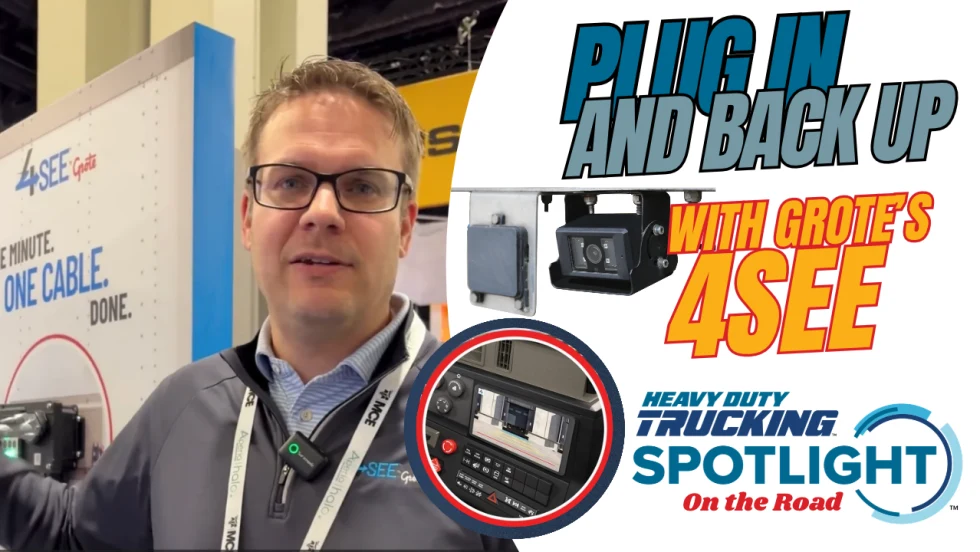
More Trailer Data Through the Same Seven-Way [Video]
Can trucking’s standard seven-way connector handle more cameras and trailer data? Grote’s Adam Slade shows HDT how the company is using new technology with its 4See trailer system, not only to add a new backup camera but also to expand other capabilities — without adding another connection.
Read More →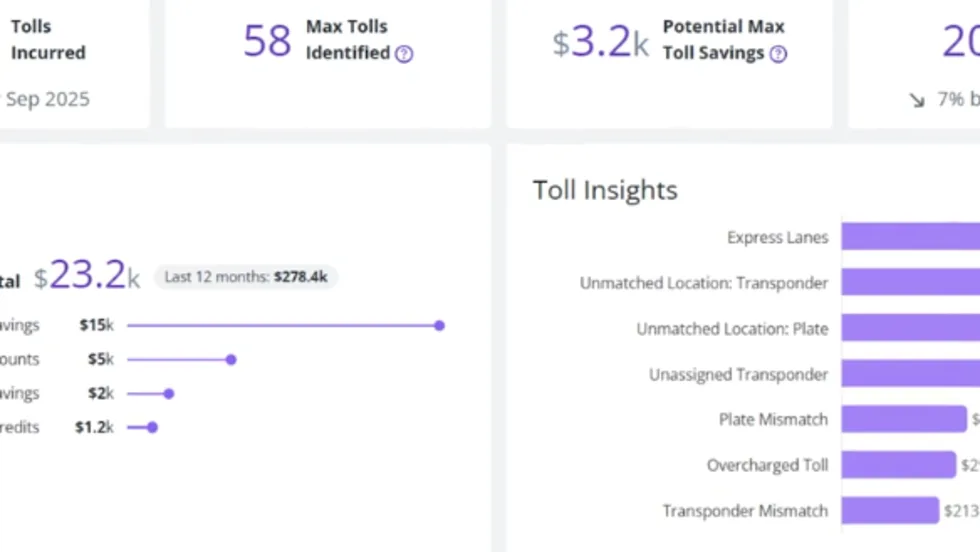
PrePass Intelligence Mines Fleet Bypass, Toll and Safety Data
PrePass Intelligence helps fleets measure bypass savings, flag potential toll overcharges, and spot suspicious transactions by combining data from separate systems.
Read More →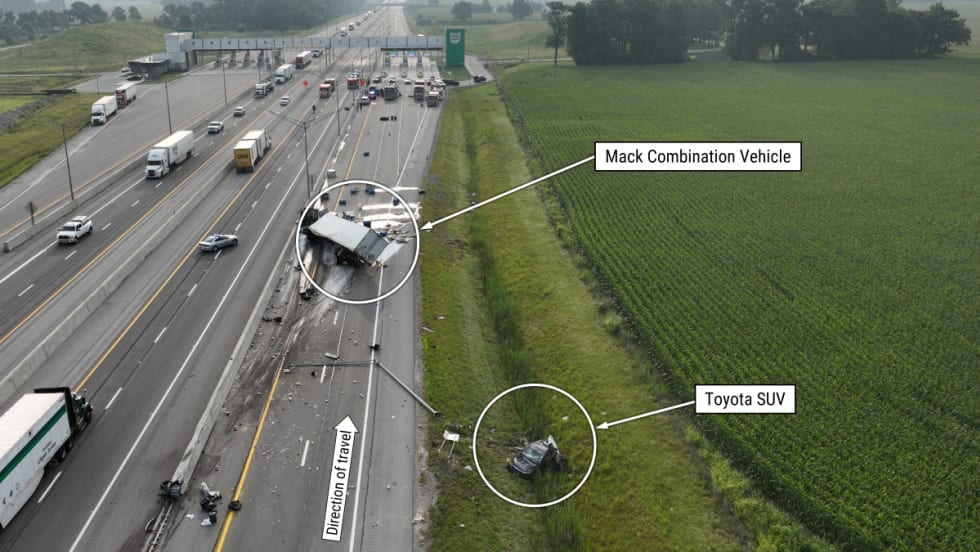
Fatal Crash Exposes Toll Plaza Risks
An NTSB investigation found that last-minute lane changes and large speed differences at an Ohio toll plaza created a hazard the truck driver couldn't avoid in time.
Read More →
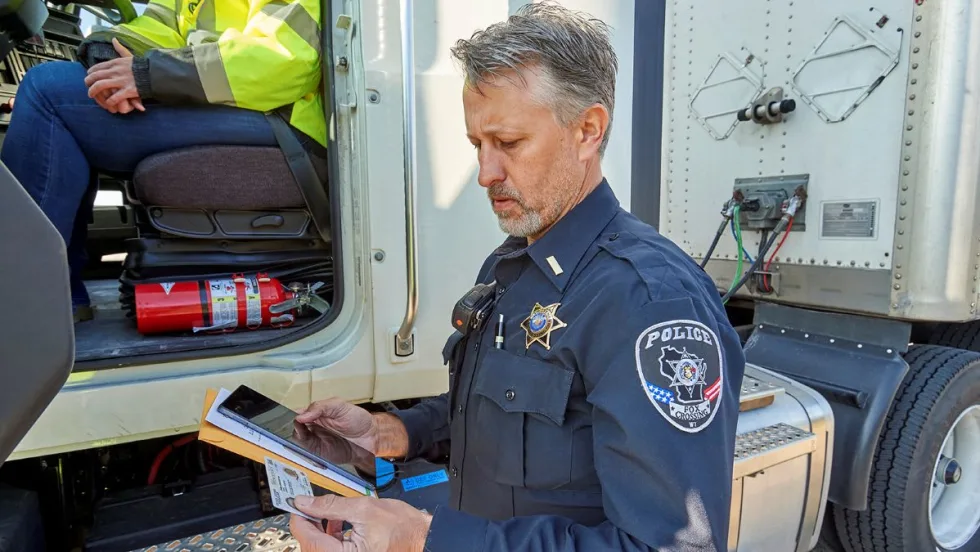
When Language Stops the Truck: The Return of ELP Out-of-Service Orders
English language proficiency rules for commercial drivers aren’t new, but renewed out-of-service enforcement has raised the stakes. Here’s what carriers need to know before a driver reaches a roadside inspection.
Read More →
A Camera Isn't a Safety Program. Here's What Brokers Are Screening for Now
Footage alone may not be enough to pass broker vetting processes. Here's what counts as a defensible safety program now.
Read More →
Marijuana and Trucking’s Drug-Testing Dilemma
Marijuana is getting stronger, laws are changing, and drug tests still can’t reliably establish impairment. What does that mean for truck drivers and the fleets that employ them?
Read More →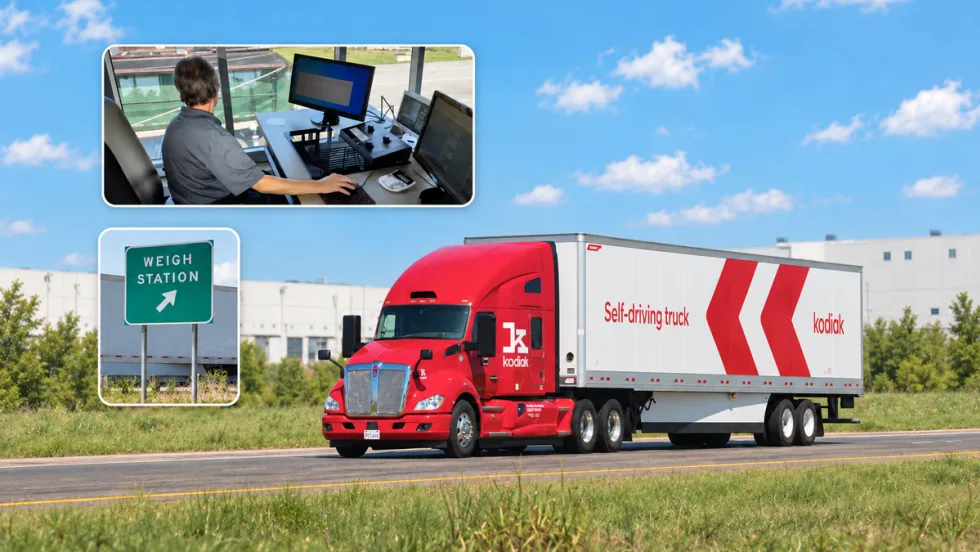
PrePass, Kodiak Connect Driverless Trucks to Roadside Enforcement
The system will allow enforcement agencies to verify Enhanced Inspection information and decide whether Kodiak’s autonomous trucks can bypass roadside screening sites.
Read More →
From One Generation to the Next: How Mentorship Builds Safer Truck Drivers
After three decades in trucking, Harold Perry shares what he's learned about driver safety, mentorship, and helping the next generation build confidence behind the wheel.
Read More →
FMCSA Pauses Biennial-Update Enforcement Amid Motus Transition
Carriers whose updates were due on or after June 1 have more time, while FMCSA works to stabilize its new registration system and warns of phishing sites impersonating its new carrier registration system, Motus.
Read More →
ZF Expands Commercial Vehicle Push in North America
ZF is expanding its North American commercial-vehicle presence with new transmission applications, electrification, trailer technology and autonomous-driving systems.
Read More →