




Bendix Updates Trailer Parking Brake Valve Issue
Bendix is making available information pertaining to its voluntary recall of some 200,000 of its SR-5 trailer spring brake valves. That May 17 action has prompted recalls of over 30,000 trailers by 11 various trailer makers.

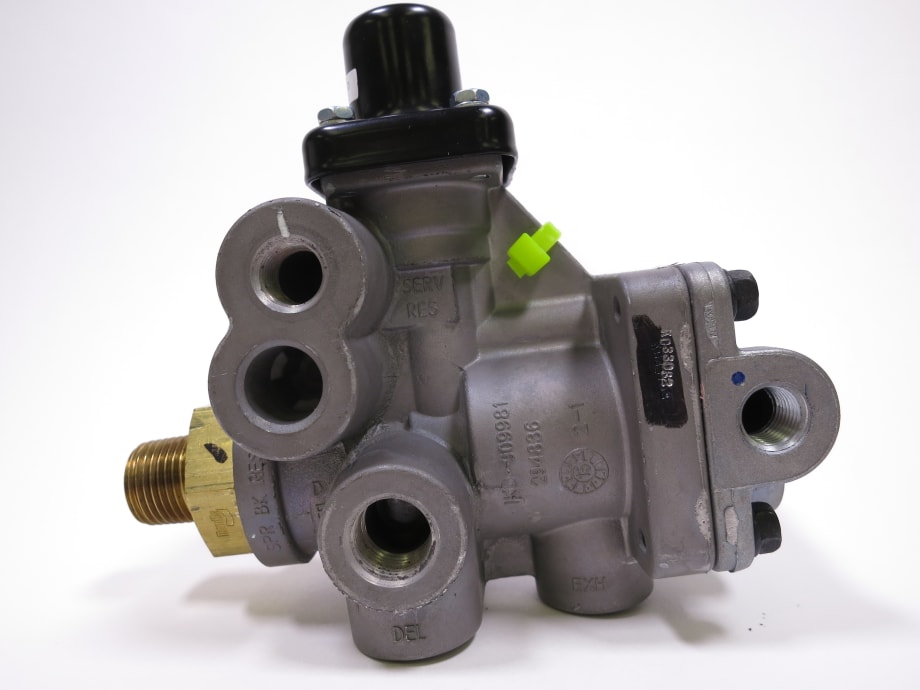
To verify that the Bendix SR-5 valve has been repaired per the recall campaign, look for the presence of a black or green tie wrap secured to the valve body. Photo: Bendix
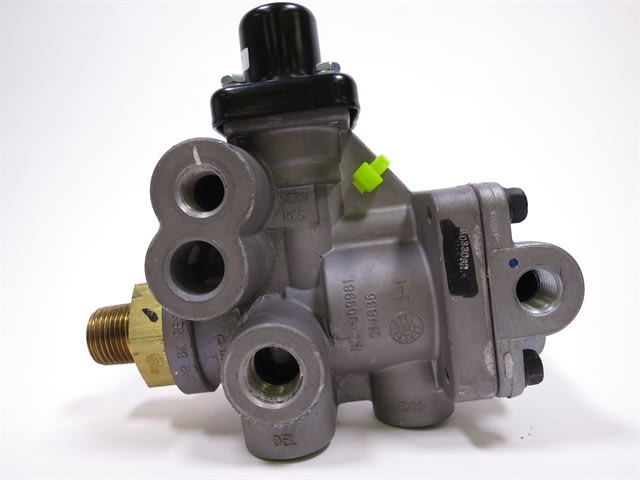
To verify that the Bendix SR-5 valve has been repaired per the recall campaign, look for the presence of a black or green tie wrap secured to the valve body. Photo: Bendix
Bendix is making available information pertaining to its voluntary recall of some 200,000 of its SR-5 trailer spring brake valves. That May 17 action has prompted recalls of over 30,000 trailers by 11 various trailer makers.
The affected Bendix units were manufactured between Jan. 1, 2014 and March 4, 2016. Per the company, there have been no reports of injuries involving this product issue.
According to the NHTSA notice posted online about the Bendix recall, the affected brake valves were “improperly machined without a radius on the internal check valve seat, causing a delay of application of the spring brakes while parking.” As a result, if there is a delay of spring brake application, a trailer “may roll away after it has decoupled from the tractor, increasing the risk of a crash or injury.”
A Bendix spokesperson told HDT that the company is “offering several important details and clarifications” regarding the recall. Chief among these is that a “permanent remedy repair kit” will be available. “Impacted customers will receive a communication from their vehicle OEM or Bendix on the specific steps to take, including how, where and when to obtain the kit and timing to complete the repair.”
According to Bendix, what caused the recall is that “under a combination of a unique set of circumstances, it is possible (though not probable) for an internal leakage to develop in the SR-5 unit, resulting in slow-to-apply spring brakes when parking the trailer.”
Because of this problem, if uncoupled and the internal leakage presents itself, it will result in loss of air pressure in the trailer reservoir. “If a high rate of leakage is observed from the supply gladhand or park control valve exhaust, it is possible that the spring brakes will be slow to apply on the trailer,” Bendix advised. The company noted that this issue does not impact tractor brakes.
As for what symptom to look for, the manufacturer said that the leak is heard or observed at the supply (red) gladhand when uncoupled from the tractor. “If coupled to a tractor, a leak may be heard from the exhaust of the park control valve (Bendix MV-3 dash control valve) or from a Quick Release valve in the Trailer Supply at the Tractor Protection Valve.”
“Bendix remains in close contact with the vehicle OEMs throughout this effort,” said the spokesperson. “In turn, each OEM follows their own prudent business processes to administer the recall under the guidelines set forth by NHTSA. The goal of both Bendix and the vehicle OEM is to get the permanent remedy solution into the hands of the vehicle owners as soon as possible.”
The affected valves are identified by the supplier code and the date code on the unit. Both must be present. The supplier code – IKD – appears cast into the body. The date code – featuring a “Month/Year” format – appears in red or black type. An SR-5 valve within the affected population displays a date code between the range of A0114T – C0416T with: (A) the first letter of “A through M, skipping the letter I”; and (B) the last two numerical digits of “14, 15, or 16.”
“If a vehicle owner confirms that the SR-5 valve installed on your trailer is a part of the affected group, bring your vehicle(s) in for service at your earliest convenience to install the repair, when available,” Bendix said.
The company advised that preventive measures owners should take with their vehicles prior to the time they can complete the valve identification inspection and/or the valve is repaired are: “When parking your vehicle(s), drivers should always use the yellow “PARKING BRAKE” button to assure both the tractor and trailer (including yard tractors) are parked: do not park your vehicle using only the red “TRAILER AIR SUPPLY” button.”
Trailer owners who have questions about this recall may reach Bendix in several ways:
Telephone the Product Action Center at 1-877-345-9526. Representatives are available Monday to Friday from 8:00 a.m. to 5:00 p.m. Eastern.
Email the Center at: SR5campaign@bendix.com.
Go to the online Product Action Center under the Services & Support tab on Bendix.com. Applicable information on the recall is available and refreshed often.
More Safety & Compliance
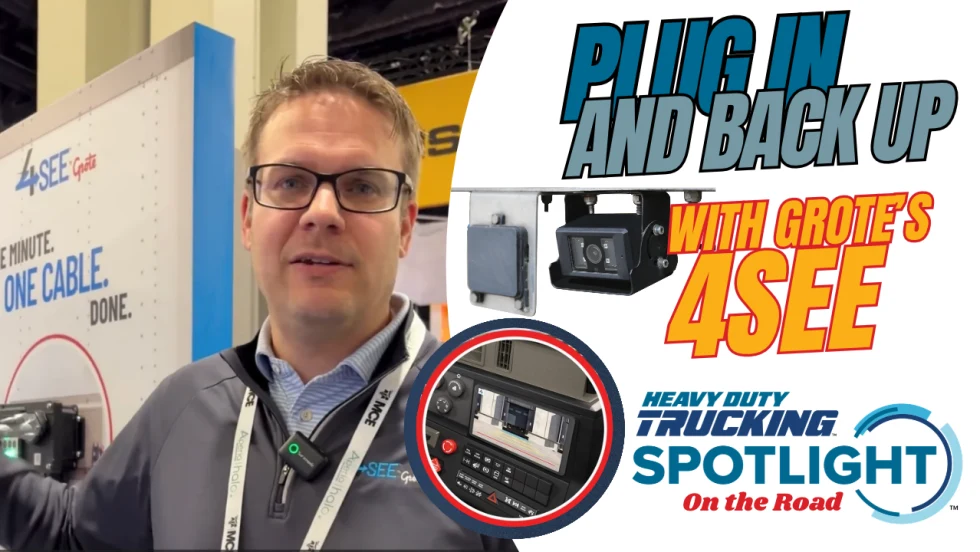
More Trailer Data Through the Same Seven-Way [Video]
Can trucking’s standard seven-way connector handle more cameras and trailer data? Grote’s Adam Slade shows HDT how the company is using new technology with its 4See trailer system, not only to add a new backup camera but also to expand other capabilities — without adding another connection.
Read More →
PrePass Intelligence Mines Fleet Bypass, Toll and Safety Data
PrePass Intelligence helps fleets measure bypass savings, flag potential toll overcharges, and spot suspicious transactions by combining data from separate systems.
Read More →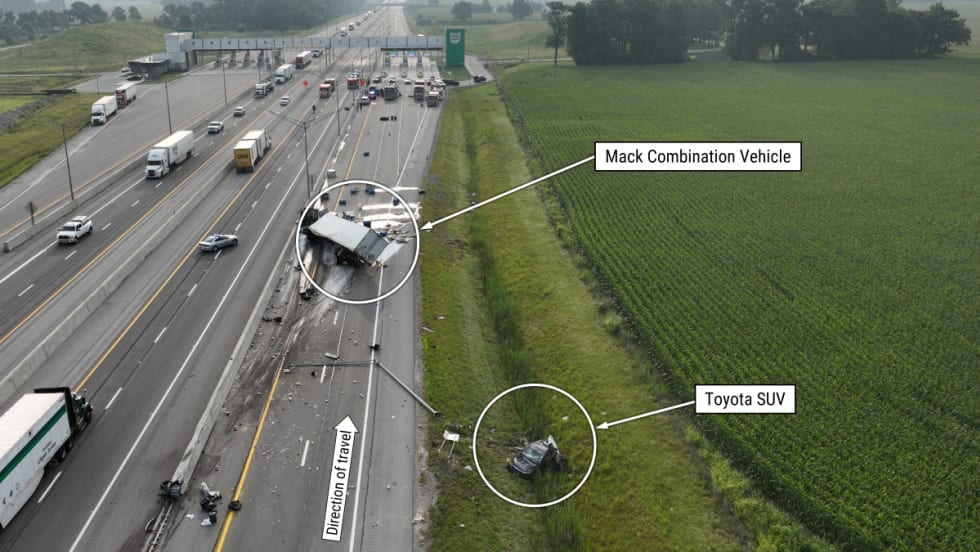
Fatal Crash Exposes Toll Plaza Risks
An NTSB investigation found that last-minute lane changes and large speed differences at an Ohio toll plaza created a hazard the truck driver couldn't avoid in time.
Read More →
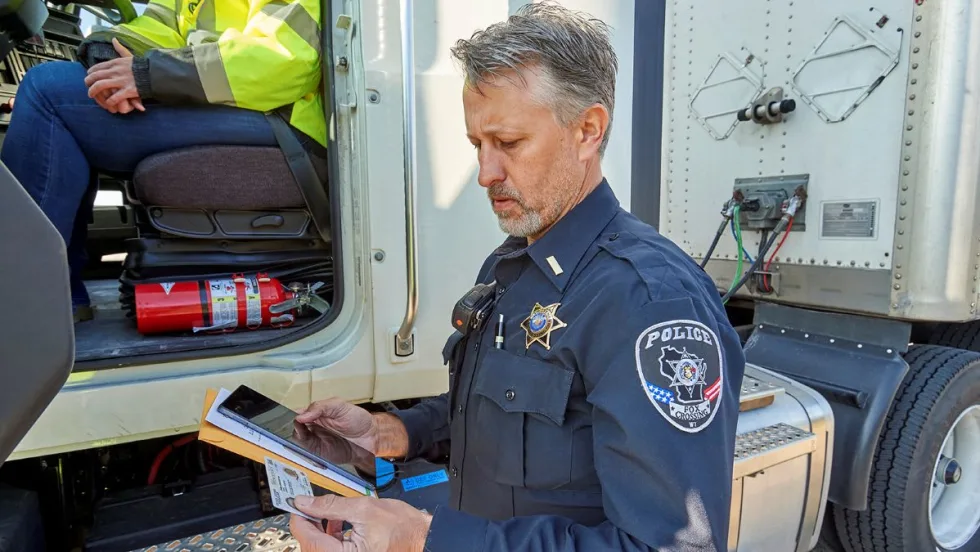
When Language Stops the Truck: The Return of ELP Out-of-Service Orders
English language proficiency rules for commercial drivers aren’t new, but renewed out-of-service enforcement has raised the stakes. Here’s what carriers need to know before a driver reaches a roadside inspection.
Read More →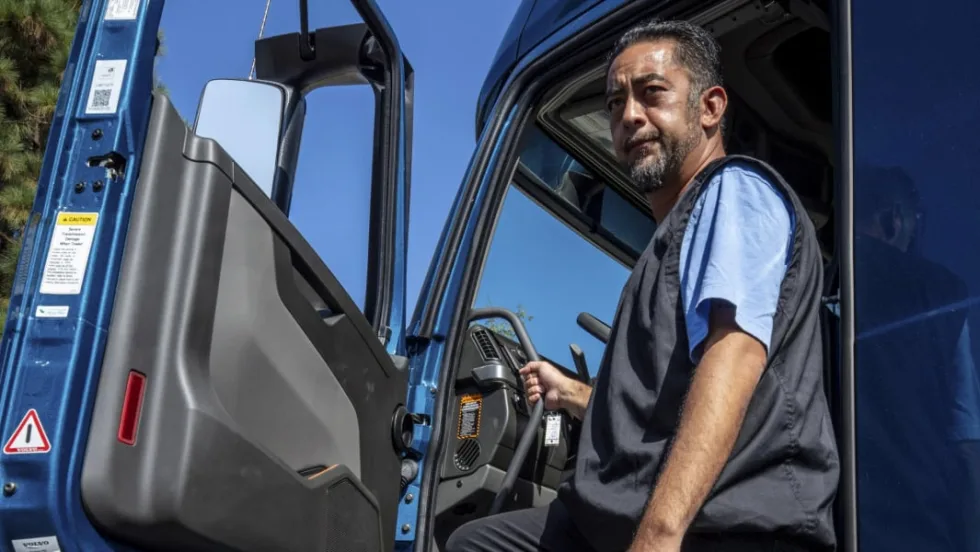
A Camera Isn't a Safety Program. Here's What Brokers Are Screening for Now
Footage alone may not be enough to pass broker vetting processes. Here's what counts as a defensible safety program now.
Read More →
Marijuana and Trucking’s Drug-Testing Dilemma
Marijuana is getting stronger, laws are changing, and drug tests still can’t reliably establish impairment. What does that mean for truck drivers and the fleets that employ them?
Read More →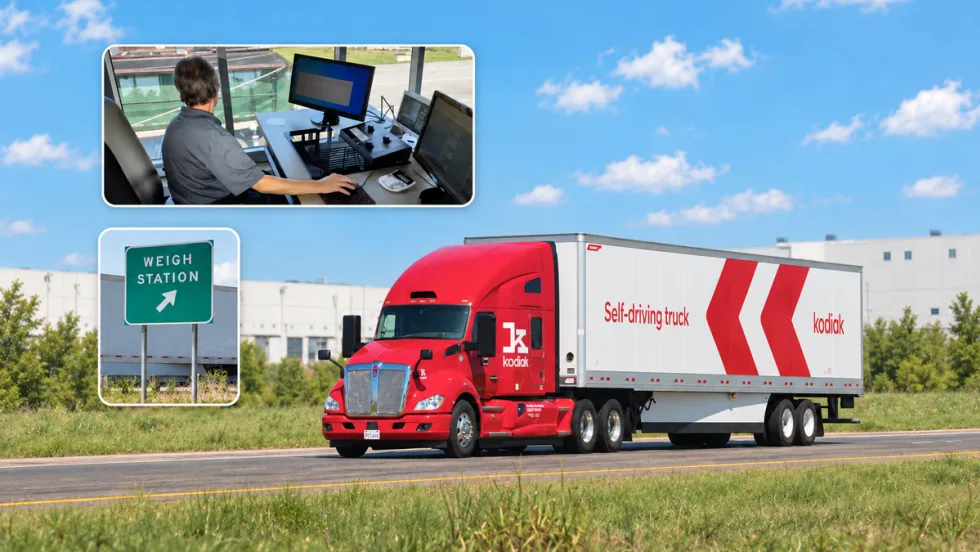
PrePass, Kodiak Connect Driverless Trucks to Roadside Enforcement
The system will allow enforcement agencies to verify Enhanced Inspection information and decide whether Kodiak’s autonomous trucks can bypass roadside screening sites.
Read More →
From One Generation to the Next: How Mentorship Builds Safer Truck Drivers
After three decades in trucking, Harold Perry shares what he's learned about driver safety, mentorship, and helping the next generation build confidence behind the wheel.
Read More →
FMCSA Pauses Biennial-Update Enforcement Amid Motus Transition
Carriers whose updates were due on or after June 1 have more time, while FMCSA works to stabilize its new registration system and warns of phishing sites impersonating its new carrier registration system, Motus.
Read More →
ZF Expands Commercial Vehicle Push in North America
ZF is expanding its North American commercial-vehicle presence with new transmission applications, electrification, trailer technology and autonomous-driving systems.
Read More →