




DOT Delays Truck Size and Weight Study
The Department of Transportation will not deliver its comprehensive study of the truck size and weight issue on time. In an email notice Monday, the department said it will delay delivery of the study until next year.


The Department of Transportation will not deliver its comprehensive study of the truck size and weight issue on time. In an email notice Monday, the department said it will delay delivery of the study until next year.
“We recognize many people, including Congress, are eagerly awaiting the release of the report,” DOT said.
“However, the department is committed to producing the most objective, data-driven report possible. Based on the current status and the scope and importance of the task at hand, we have had to delay completion of the study until 2015.”
The study was due this fall as part of preparation for the next highway bill. The bill also was originally due this fall, but Congress pushed it back to next May because it could not resolve political differences over how to pay for the federal highway program.
The study is intended to give Congress an objective assessment of the controversial issues surrounding truck sizes and weights.
Large trucking companies and shippers say the current federal limits are outdated and are preventing productivity increases that could go a long way toward relieving highway congestion and improving safety.
Just as assertive on the other side are owner-operators, safety advocates and labor unions that say heavier trucks are an unacceptable safety risk. And the railroads oppose any capacity increase for trucks.
The 2012 highway bill ordered DOT to do a comprehensive analysis to provide Congress the background for a decision.
The work is being done by the Federal Highway Administration, which is looking at the safety and economic implications of changing the federal limits.
The study will compare trucks operating at current size and weight limits to bigger and heavier trucks on the basis of crash rates and other safety risk factors, as well as the costs of effective enforcement, and the impact of the equipment on pavements and bridges. It also will look into the impact on truck-rail competition.
In its notice Monday FHWA said that it is accepting comments on the work done so far. More information is available on the agency’s website.
More Safety & Compliance

Kodiak Lines Up Fleets for Driverless Trucking
An agreement for 75 trucks, a new Texas freight lane, and progress on safety validation move Kodiak closer to its planned driverless highway launch.
Read More →
More Trailer Data Through the Same Seven-Way [Video]
Can trucking’s standard seven-way connector handle more cameras and trailer data? Grote’s Adam Slade shows HDT how the company is using new technology with its 4See trailer system, not only to add a new backup camera but also to expand other capabilities — without adding another connection.
Read More →
PrePass Intelligence Mines Fleet Bypass, Toll and Safety Data
PrePass Intelligence helps fleets measure bypass savings, flag potential toll overcharges, and spot suspicious transactions by combining data from separate systems.
Read More →
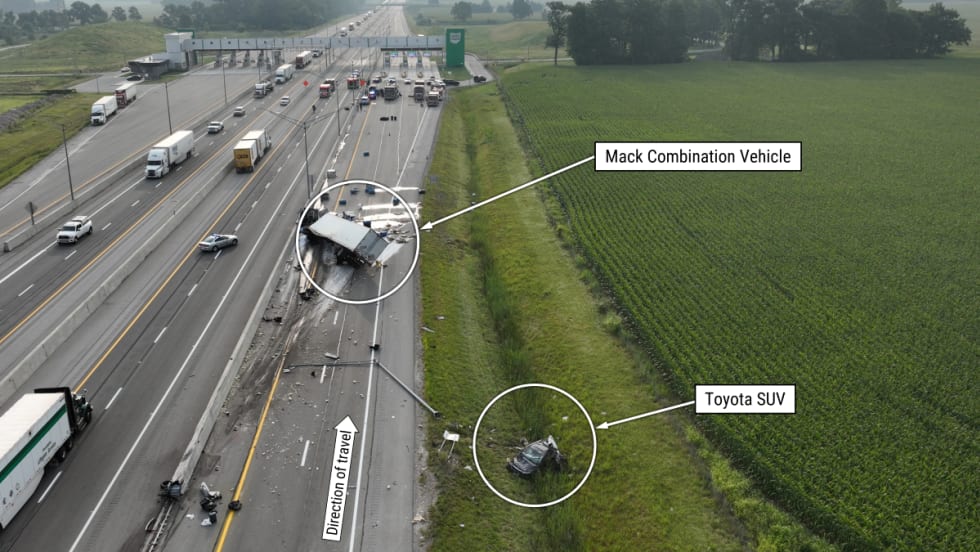
Fatal Crash Exposes Toll Plaza Risks
An NTSB investigation found that last-minute lane changes and large speed differences at an Ohio toll plaza created a hazard the truck driver couldn't avoid in time.
Read More →
When Language Stops the Truck: The Return of ELP Out-of-Service Orders
English language proficiency rules for commercial drivers aren’t new, but renewed out-of-service enforcement has raised the stakes. Here’s what carriers need to know before a driver reaches a roadside inspection.
Read More →
A Camera Isn't a Safety Program. Here's What Brokers Are Screening for Now
Footage alone may not be enough to pass broker vetting processes. Here's what counts as a defensible safety program now.
Read More →
Marijuana and Trucking’s Drug-Testing Dilemma
Marijuana is getting stronger, laws are changing, and drug tests still can’t reliably establish impairment. What does that mean for truck drivers and the fleets that employ them?
Read More →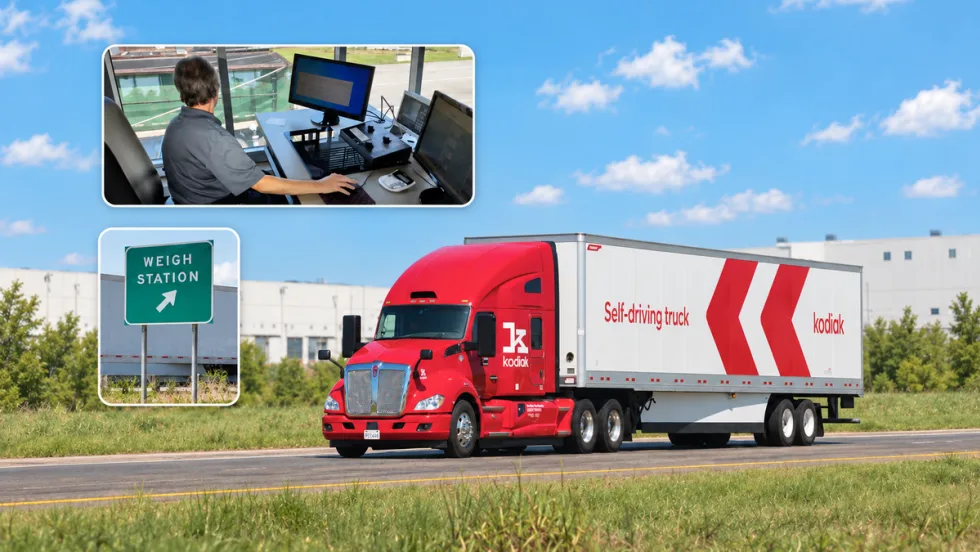
PrePass, Kodiak Connect Driverless Trucks to Roadside Enforcement
The system will allow enforcement agencies to verify Enhanced Inspection information and decide whether Kodiak’s autonomous trucks can bypass roadside screening sites.
Read More →
From One Generation to the Next: How Mentorship Builds Safer Truck Drivers
After three decades in trucking, Harold Perry shares what he's learned about driver safety, mentorship, and helping the next generation build confidence behind the wheel.
Read More →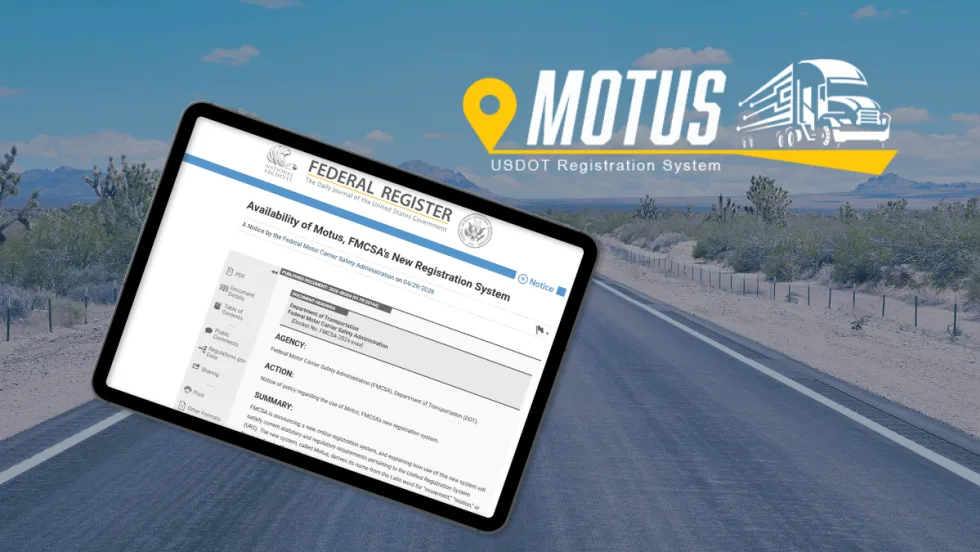
FMCSA Pauses Biennial-Update Enforcement Amid Motus Transition
Carriers whose updates were due on or after June 1 have more time, while FMCSA works to stabilize its new registration system and warns of phishing sites impersonating its new carrier registration system, Motus.
Read More →