




FMCSA Proposes National Drug and Alcohol Testing Clearinghouse for Drivers
UPDATED -- The Federal Motor Carrier Safety Administration has announced a proposed rule to establish a drug and alcohol clearinghouse for all national commercial driver’s license holders.

UPDATED -- The Federal Motor Carrier Safety Administration has announced a proposed rule to establish a drug and alcohol clearinghouse for all national commercial driver’s license holders.
The clearinghouse would help improve roadway safety by making it easier to determine whether a truck or bus driver is prohibited from operating a commercial motor vehicle for failing to comply with federal drug and alcohol regulations, including mandatory testing, according to the agency.
Current federal regulations require employers to conduct mandatory pre-employment screening of a CDL driver’s qualifications based upon his or her driving record. However, there has not been a single federal repository recording positive drug and alcohol tests by CDL holders that employers would be able to search to ensure that the driver is able to perform safety-sensitive duties.
The proposed rule announced would create such a repository and require employers to conduct pre-employment searches for all new CDL drivers and annual searches on current drivers.
“We are leveraging technology to create a one-stop verification point to help companies hire drug and alcohol-free drivers,” said FMCSA Administrator Anne Ferro. “This proposal moves us further down the road toward improving safety for truck and bus companies, commercial drivers and the motoring public everywhere.”
Under the proposed rule, FMCSA-regulated truck and bus companies, Medical Review Officers, Substance Abuse Professionals, and private, third party U.S. DOT drug and alcohol testing laboratories would be required to record information about a driver who:
Fails a drug and/or alcohol test,
Refuses to submit to a drug and/or alcohol test, and
Successfully completes a substance abuse program and is legally qualified to return to duty.
Private, third-party U.S. DOT drug and alcohol testing laboratories also would be required to report summary information annually. This information would be used to help identify companies that do not have a testing program.
To ensure the privacy of drivers involved, each CDL holder would need to provide his or her consent, before an employer could access the clearinghouse.
Drivers who refuse to provide this information could still be employed by the truck or bus company, however, they could not occupy safety-sensitive positions, such as operating a commercial motor vehicle.
Federal safety regulations require that truck and bus companies that employ CDL drivers conduct random drug and alcohol testing programs. Carriers must randomly test 10% of their CDL drivers for alcohol and 50% of their CDL drivers for drugs each year.
In addition to random testing, truck and bus companies are further required to perform drug and alcohol testing on new hires, drivers involved in significant crashes, and whenever a supervisor suspects a driver of using drugs or alcohol while at work.
The proposed rule was directed by Congress in the most recent transportation bill, the Moving Ahead for Progress in the 21st Century Act.
The American Trucking Associations praised the FMCSA for finally issuing the congressionally mandated proposal.
"ATA has been a strong advocate for the creation of this process to help protect motorists since 1999," said ATA President and CEO Bill Graves. "It is unfortunate that it took so long for the Federal Motor Carrier Safety Administration to act on this common sense safety solution, but we are pleased the agency has finally taken the first step toward creation of this clearinghouse."
Update adds ATA reaction.
More Drivers
Driver Retention Lessons From the Best Fleets to Drive For
What separates trucking's best workplaces from the rest? Jane Jazrawy shares the biggest lessons from this year's Best Fleets to Drive For program on driver retention, communication, AI, and workforce trends on the HDT Talks Trucking podcast.
Read More →
Farewell, CDL: Why I'm Giving Up My Commercial Driver's License
After more than 20 years as a CDL holder, HDT Executive Editor Jack Roberts is letting his commercial license expire. Not because he wants to — but because trucking's nuclear verdict crisis has made the risks of public-road test drives too great for editors, manufacturers, and everyone involved.
Read More →
How Top Trucking Fleets Improve Driver Retention [Video]
What do healthy snacks, optimized routing, and just picking up the phone have in common? They're all strategies the Best Fleets to Drive For are using to retain truck drivers.
Read More →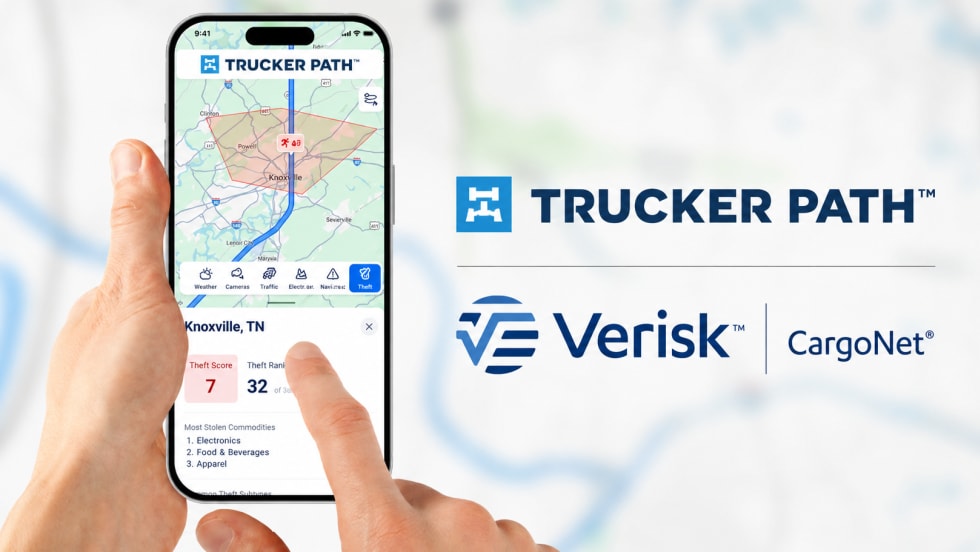
Trucker Path Adds Verisk CargoNet Theft Data to Navigation Platform
Trucker Path’s new cargo theft risk overlays give drivers and fleets visibility into high-risk areas, stolen commodity trends, and theft hotspots.
Read More →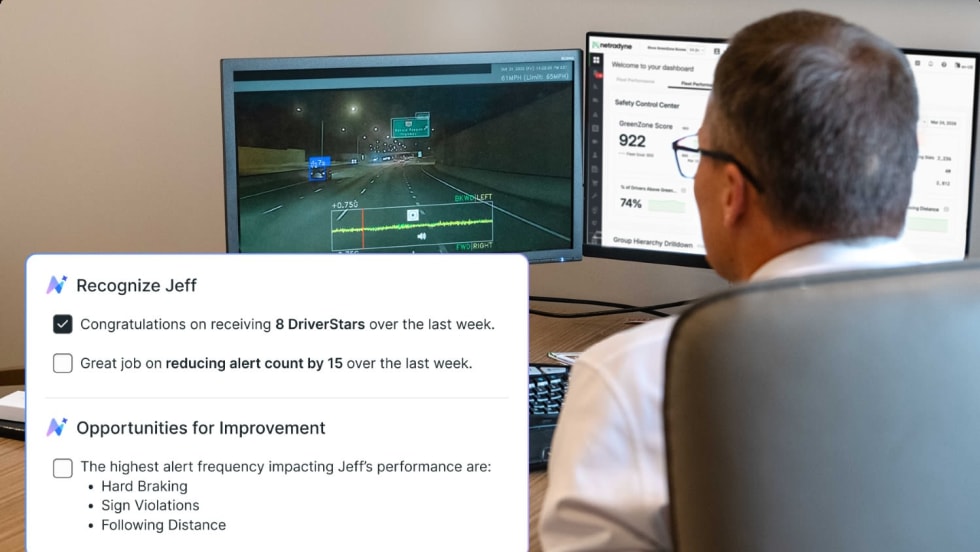
Netradyne Intelligence Uses New AI Agents to Automate Response to In-Cab Camera Data
The company called the next-generation in-cab camera safety platform "a fundamental shift from systems that report on what happened to systems that actively drive what should happen next."
Read More →
Why Truck Detention Keeps Costing Fleets Time and Money
A 2024 ATRI study found detention affects nearly 40% of truckload stops and costs the industry more than $15 billion annually. Despite the toll on drivers, fleets, and supply chains, the problem remains stubbornly persistent.
Read More →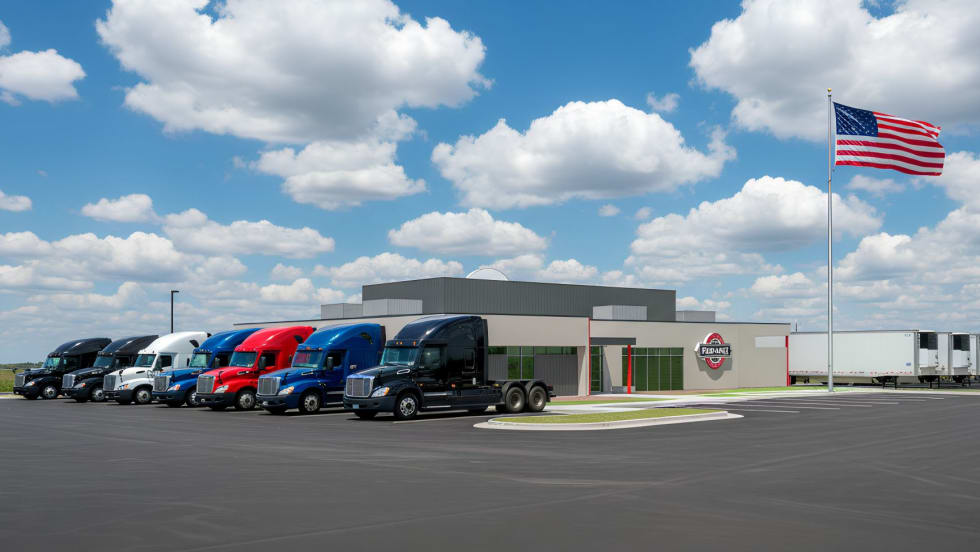
Prime Inc. to Open $7.9M Flagship Used-Truck Dealership
A new driver-focused facility to sell Prime Inc's used trucks and trailers will be the first purpose-built location in the company's history.
Read More →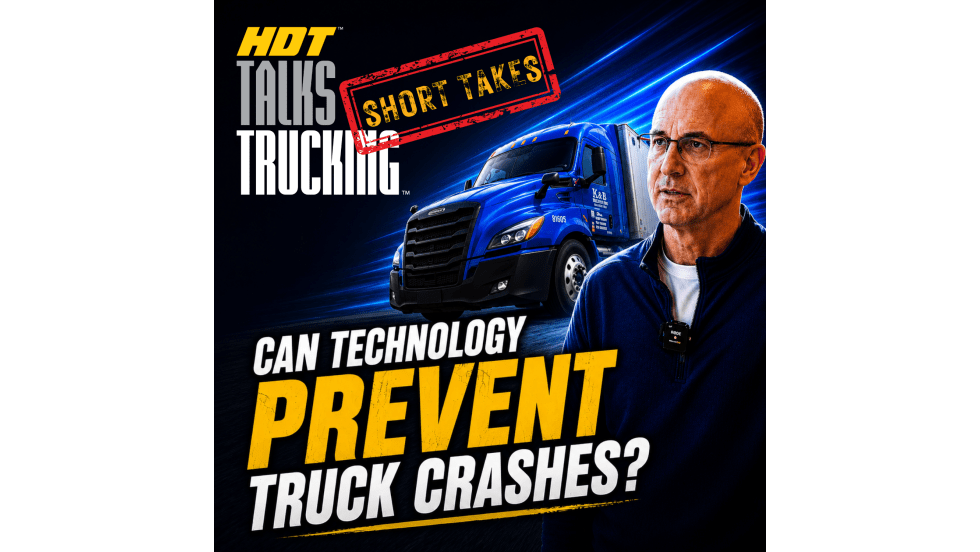
Short Takes: Inside K&B’s Truck Safety Tech
Listen to learn how K&B Transportation uses cellphone-blocking technology, speed management systems, weather geofencing, bridge avoidance tools, and more to improve driver safety.
Read More →
Nussbaum Expands Driver Compensation with Pay Raises, Profit Sharing
Nussbaum Transportation said its latest compensation package could push first-year driver earnings above $90,000 in key hiring markets.
Read More →
Listen: Inside Modern Fleet Safety: AI, Cameras & Speed Control at K&B Transportation
Fleet safety is evolving fast—and technology is at the center of it. Learn how a former commercial vehicle enforcement officer turned director of safety at K&B Transportation is embracing real-world safety technology.
Read More →