




NTSB Says Straight-Truck Safety Needs More Attention
The National Transportation Safety Board says the government should consider making medium-duty straight truck drivers get a commercial driver's license, following a five-year study that found these trucks were involved in a disproportionate number of fatalities.
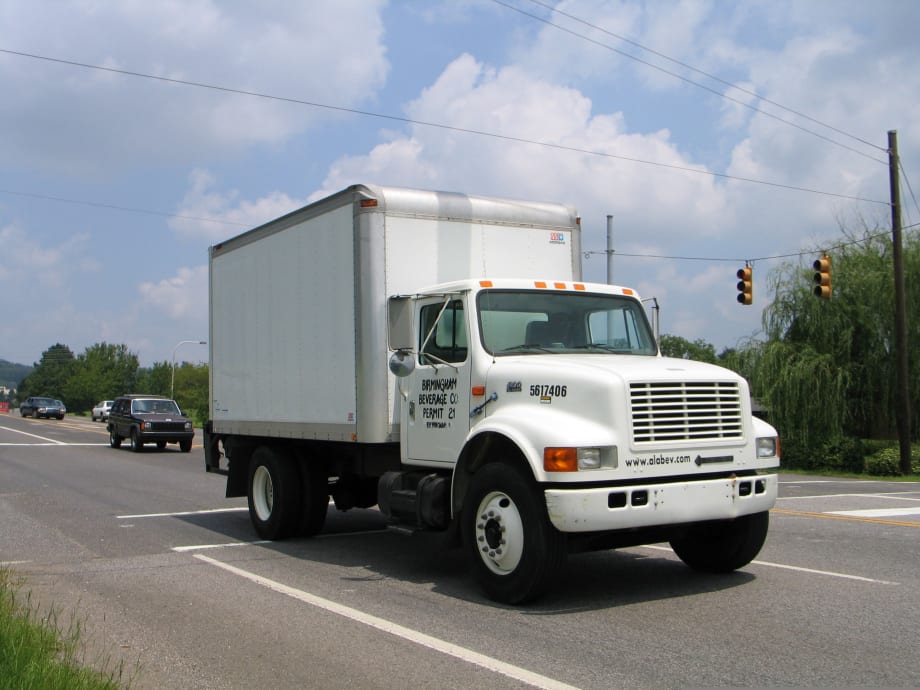
Should drivers of trucks like these be required to have a CDL? (Photo by Evan Lockridge)
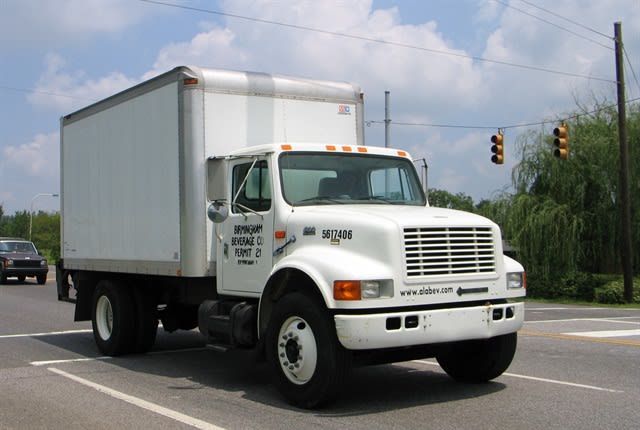
Should drivers of trucks like these be required to have a CDL? (Photo by Evan Lockridge)
The National Transportation Safety Board says the government should consider making medium-duty straight truck drivers get a commercial driver's license, following a five-year study that found these trucks were involved in a disproportionate number of fatalities.
Other recommendations included making straight trucks subject to similar safety rules for tractor-trailers, including requirements for rear underride guards and conspicuity, as well as even tougher measures, such as side underride protection and blind spot technology.
The board's safety study on single-unit truck crashes researched the injury severity and crash characteristics of single-unit trucks over a five-year period during 2005-2009.
It defines single-unit trucks as large trucks that have a gross vehicle weight rating over 10,000 pounds with non-detachable cargo units and have all axles attached to a single frame.
“Crashes involving single-unit trucks resulted in about 1,800 deaths each year during 2005-2009 and also caused thousands of injuries,” said NTSB Chairman Deborah A. P. Hersman. “These trucks are ubiquitous in our communities, yet they are exempted from many safety rules. We must do better for our citizens.”
NTSB can only make recommendations to the DOT and its agencies. It cannot force the creation of new rules.
This comes on the heels of an American Transportation Research Institute study that evaluated a decade of medium- and heavy-duty truck crash records and found medium-duty trucks generally performed worse than heavy-duty.
The Study
The study examined how the risks and characteristics of single-unit truck crashes compared with those of tractor-trailer crashes and identified areas for safety improvements. Highlights from the study include:
• Single-unit trucks were involved in a disproportionate number of passenger vehicle occupant deaths in multi-vehicle crashes.
• Single-unit truck crashes have a considerable impact on society, as measured by fatalities, injuries, hospitalizations and emergency department visits.
• Single-unit trucks should be subject to certain vehicle safety rules applicable to tractor-trailers, including requirements for rear underride guards and treatments to enhance conspicuity.
• Additional vehicle-based countermeasures are needed to protect occupants of passenger vehicles, pedestrians and cyclists involved in single-unit truck crashes, including side underride protection systems and technology to compensate for single-unit truck blind spots.
• Adverse effects of single-unit truck crashes have been underestimated in the past because these trucks are frequently misclassified and therefore undercounted in federal and state databases.
• Multiple data sources are needed to get an accurate picture of large truck safety, including two sources, Trucks in Fatal Accidents and state Crash Outcome Data Evaluation Systems, that are scheduled to be discontinued.
The Recommendations
As a result of the findings of this study, the NTSB issued safety recommendations to the National Highway Traffic Safety Administration, the Federal Motor Carrier Safety Administration, the Federal Highway Administration, and the U.S. Department of Transportation.
The safety recommendations address modifications to enhance the ability of single-unit truck drivers to detect pedestrians and cyclists, to prevent passenger vehicles from underriding the rear and sides of large trucks, and to improve visibility of single-unit trucks on dark and unlit roads.
The NTSB is also recommending improving federal and state data on large truck crashes, continuing functions now performed by Trucks in Fatal Accidents and the state Crash Outcome Data Evaluation Systems, examining the magnitude and consequences of single-unit truck drivers operating with an invalid license, and evaluating potential benefits for expanding the requirement for commercial driver’s licenses to lower truck weight classes.
The study used a variety of data sources, including state records of police and hospital reports, federal databases, and case reviews of selected single-unit truck crashes.
A synopsis of the NTSB safety study, including the findings and a complete list of the safety recommendations is available on the board’s website. The full report will be available on the NTSB website in a few weeks.
More Safety & Compliance

More Trailer Data Through the Same Seven-Way [Video]
Can trucking’s standard seven-way connector handle more cameras and trailer data? Grote’s Adam Slade shows HDT how the company is using new technology with its 4See trailer system, not only to add a new backup camera but also to expand other capabilities — without adding another connection.
Read More →
PrePass Intelligence Mines Fleet Bypass, Toll and Safety Data
PrePass Intelligence helps fleets measure bypass savings, flag potential toll overcharges, and spot suspicious transactions by combining data from separate systems.
Read More →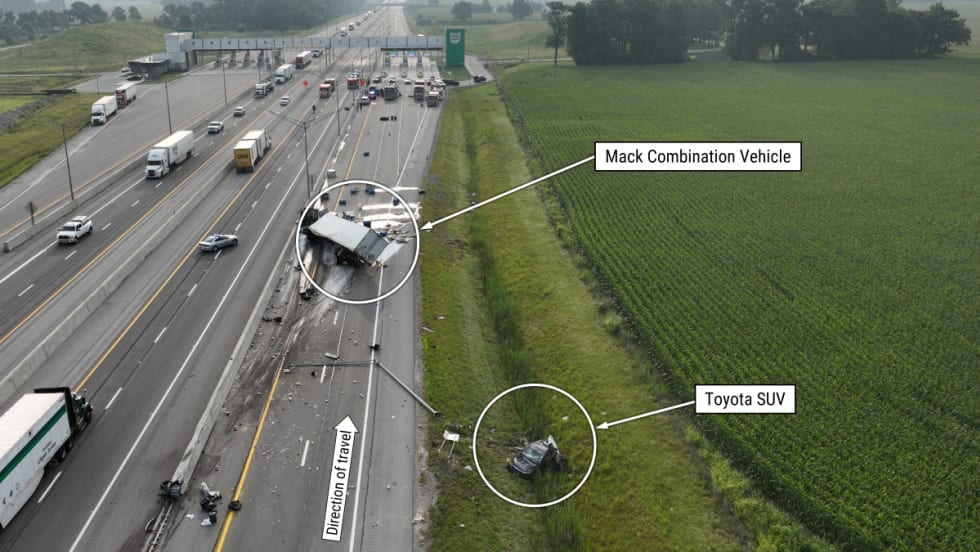
Fatal Crash Exposes Toll Plaza Risks
An NTSB investigation found that last-minute lane changes and large speed differences at an Ohio toll plaza created a hazard the truck driver couldn't avoid in time.
Read More →

When Language Stops the Truck: The Return of ELP Out-of-Service Orders
English language proficiency rules for commercial drivers aren’t new, but renewed out-of-service enforcement has raised the stakes. Here’s what carriers need to know before a driver reaches a roadside inspection.
Read More →
A Camera Isn't a Safety Program. Here's What Brokers Are Screening for Now
Footage alone may not be enough to pass broker vetting processes. Here's what counts as a defensible safety program now.
Read More →
Marijuana and Trucking’s Drug-Testing Dilemma
Marijuana is getting stronger, laws are changing, and drug tests still can’t reliably establish impairment. What does that mean for truck drivers and the fleets that employ them?
Read More →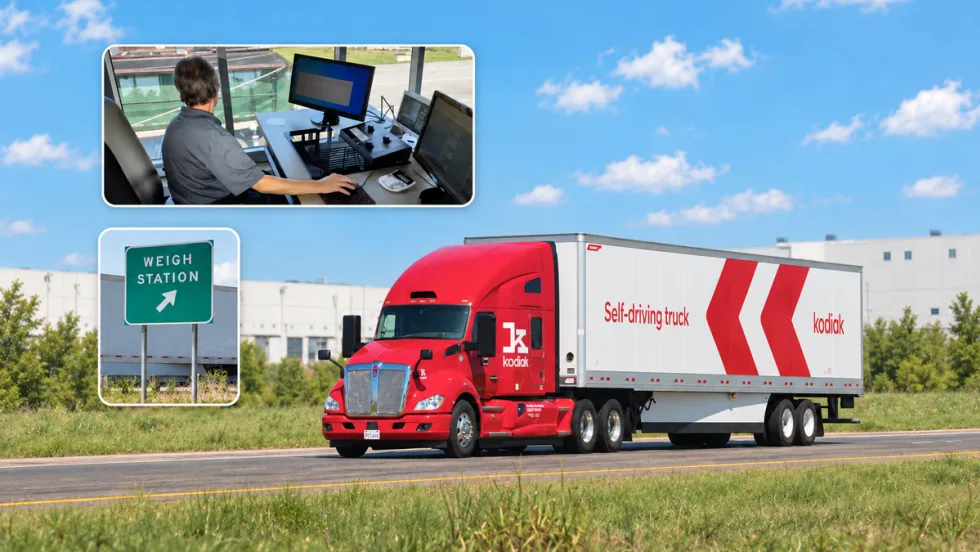
PrePass, Kodiak Connect Driverless Trucks to Roadside Enforcement
The system will allow enforcement agencies to verify Enhanced Inspection information and decide whether Kodiak’s autonomous trucks can bypass roadside screening sites.
Read More →
From One Generation to the Next: How Mentorship Builds Safer Truck Drivers
After three decades in trucking, Harold Perry shares what he's learned about driver safety, mentorship, and helping the next generation build confidence behind the wheel.
Read More →
FMCSA Pauses Biennial-Update Enforcement Amid Motus Transition
Carriers whose updates were due on or after June 1 have more time, while FMCSA works to stabilize its new registration system and warns of phishing sites impersonating its new carrier registration system, Motus.
Read More →
ZF Expands Commercial Vehicle Push in North America
ZF is expanding its North American commercial-vehicle presence with new transmission applications, electrification, trailer technology and autonomous-driving systems.
Read More →