




Smooth Reception for Foxx on Hill
Anthony Foxx was well received by the Senate Commerce Committee at his confirmation hearing Wednesday and there were no signs of resistance to his nomination as Secretary of Transportation.

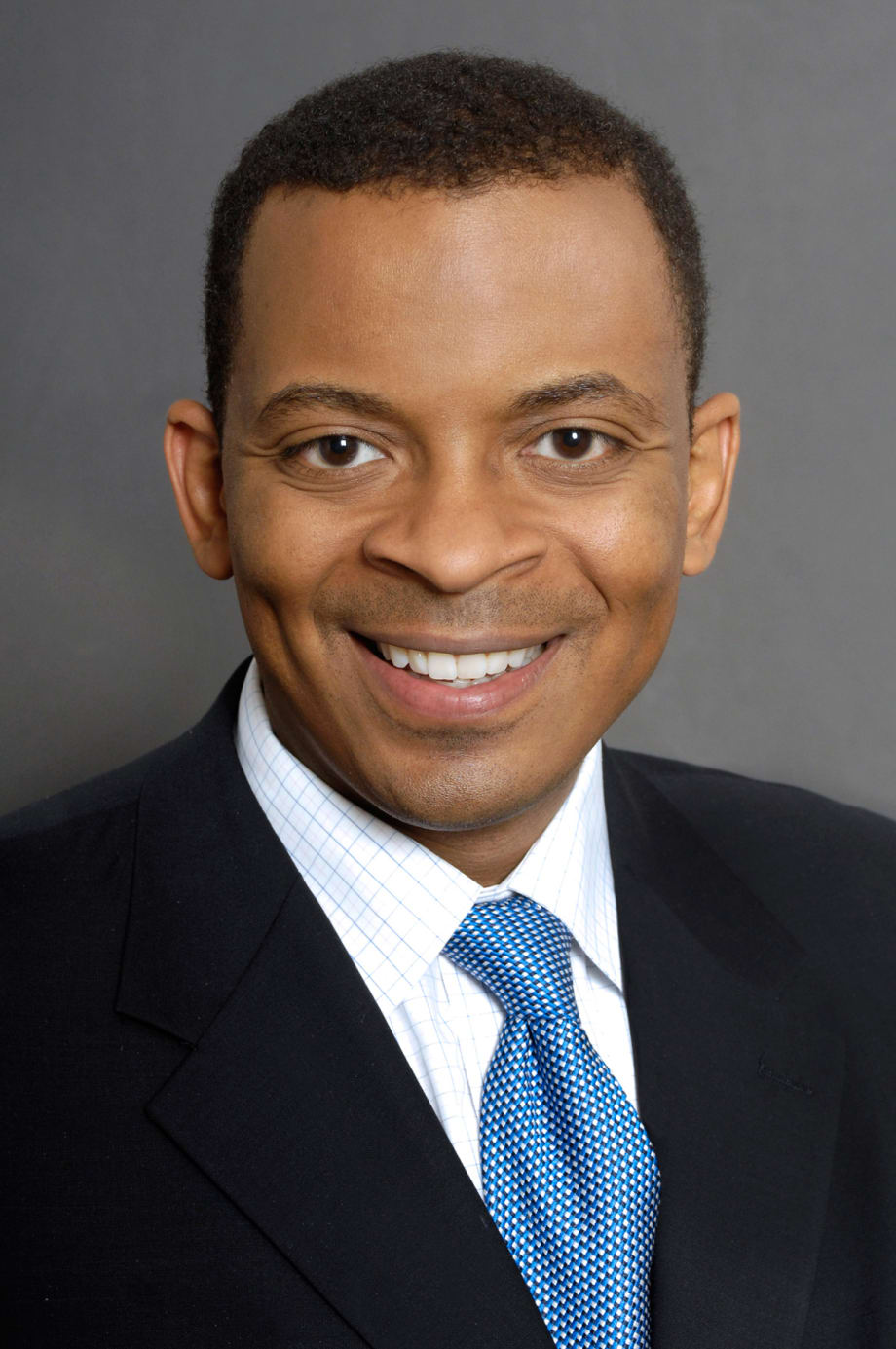
Anthony Foxx, nominee for the position of U.S. Secretary of Transportation. Photo courtesy City of Charlotte.
Anthony Foxx, nominee for the position of U.S. Secretary of Transportation. Photo courtesy City of Charlotte.
Anthony Foxx was well received by the Senate Commerce Committee at his confirmation hearing Wednesday and there were no signs of resistance to his nomination as Secretary of Transportation.
Foxx, the mayor of Charlotte, N.C., would replace Ray LaHood in the post. At age 42, he would be one of the youngest cabinet members in history, said Sen. Kay Hagan, D-N.C., who introduced him along with Sen. Richard Burr, R-N.C.
He is considered a rising political star, having been named by Politico as one of “50 to watch” after his successful bid to bring the 2012 Democratic National Convention to Charlotte.
His transportation experience is based on his work in Charlotte to expand public transit and the airport and develop a new inland port.
Senators questioned Foxx on a wide range of transportation issues, including highway funding and DOT plans for a national freight network.
As is appropriate for a cabinet nominee, Foxx’s stock response was that he looks forward to working with committee members on the issues, if he is confirmed.
He told Sen. John Thune, R-S.D., that his top priority at DOT would be safety, followed by improving efficiency and promoting robust investment in multimodal and freight transportation. Other priorities are promoting environmental sustainability and reducing dependence on foreign oil, he said.
He said that the next highway program, which needs to be reauthorized by October 2014, needs to be longer-term than the current two-year program, and needs a sustained source of funding.
He also told Thune that his experience in Charlotte included having to make tough choices about where to spend limited resources.
In response to several questions on how he views the concept of an infrastructure bank, Foxx indicated that it’s a worthwhile idea but not the complete solution to the problem of paying for highways.
Sen. Tim Scott, R-S.C., asked Foxx for his position on a proposal to put tolls on I-95 in North Carolina.
He replied that while there is a place for tolling, “we will not toll our way to prosperity.”
Scott complained that DOT’s approach to issuing TIGER grants for infrastructure projects has at times distinguished between Democratic and Republican districts, and asked Foxx how he would handle those grants.
“You have my commitment to be fair and transparent on that issue,” Foxx said, adding that in his experience in Charlotte the TIGER program has helped states and local governments prioritize their programs.
Sen. Deb Fischer, R-Neb., asked Foxx how he plans to approach the critical issue of finding sustainable highway funding. “An infrastructure bank won’t work unless we have a dedicated source of revenue,” she said.
Foxx replied that he believes there is general agreement among the members of the committee that something needs to be done about funding. One of his goals would be to pull together the stakeholders to discuss how to build consensus on a solution, he said.
In response to a question from Sen. Maria Cantwell, D-Wash., Foxx said he is excited about DOT’s effort to establish a national freight policy and network and looks forward to working on it.
Sen. Ted Cruz, R-Texas, said the Obama administration has been looking for painful ways to implement budget cuts imposed by the sequester.
“Can we have a commitment from you that you will employ your best efforts to target waste, fraud, abuse and redundancy while minimizing pain?” he asked Foxx.
Foxx replied that he will look for ways to make DOT work more efficiently with the least amount of pain, “but there will be pain.”
In a jocular exchange, Foxx and Cruz agreed that they will cooperate on ways to improve regulatory efficiency, and Cruz said, “I look forward to supporting your nomination.”
The hearing ended with a pointed message from Sen. Jay Rockefeller, D-W.Va., chairman of the committee. In an apparent reference to Cruz’s questioning, he said Congress needs to bite the bullet on revenues.
“The fastest way to destroy the future of our country that I can think of (is) the idea that you can solve the problems by trimming regulations, don’t do tolls, don’t raise revenues and eliminate waste, fraud and abuse,” he said. “You can’t minimize yourself into greatness. You can feel good and win election after election but you’re doing the country no favors.”
To titters from the audience, Rockefeller warned Foxx not to reply to his comments.
“I want you to be a good secretary of transportation and you cannot do that without new revenue,” he said.
More Safety & Compliance

From One Generation to the Next: How Mentorship Builds Safer Truck Drivers
After three decades in trucking, Harold Perry shares what he's learned about driver safety, mentorship, and helping the next generation build confidence behind the wheel.
Read More →
FMCSA Pauses Biennial-Update Enforcement Amid Motus Transition
Carriers whose updates were due on or after June 1 have more time, while FMCSA works to stabilize its new registration system and warns of phishing sites impersonating its new carrier registration system, Motus.
Read More →
ZF Expands Commercial Vehicle Push in North America
ZF is expanding its North American commercial-vehicle presence with new transmission applications, electrification, trailer technology and autonomous-driving systems.
Read More →
Truck Drivers Need More Than Another Alert
Fleets have more visibility into truck health, safety events, and driver activity than ever. The next challenge is turning all that information into useful guidance for the person who has to decide what to do next.
Read More →
Tesla Wants a Self-Driving Semi. Are Cameras Enough?
Could Tesla’s camera-only autonomous driving technology work on an 80,000-pound Semi? In this commentary, HDT's Deborah Lockridge takes a look at Tesla, Cybercab, and how autonomous trucks see the road.
Read More →
What DOT’s Automated Vehicle Strategy Means for Trucking
The U.S. Department of Transportation issued a new automated-vehicle strategy that outlines plans for driverless-truck regulations, cross-state freight corridors, and federal safety standards.
Read More →
NYC Expands Speed, Pedestrian Safety Tech Across Fleet
New York City is expanding intelligent speed assistance and pedestrian-alert systems across its municipal fleet, moving the technologies from pilot programs into vehicle procurement and retrofit requirements.
Read More →
FMCSA Removes 110 Truck Driver Training Schools from Certified ELDT List
Federal regulators also are targeting more than 160 additional training providers and launching a nationwide audit of third-party CDL skills testers as part of a broader crackdown on trucking fraud.
Read More →
Beyond DOT Compliance: What Makes a Trucking Fleet Truly Safe?
A trucking fleet can follow every rule and still make unsafe decisions. The real test comes when safety conflicts with freight, productivity, or cost.
Read More →
Hours of Service Pilot Programs: FMCSA Readies for 2027 Rollout
Two pilot programs could eventually reshape hours-of-service rules, giving truck drivers options to pause their 14-hour clock or use longer split sleeper rest periods.
Read More →