FMCSA Outlines Survey Plans for Electronic Onboard Recorders
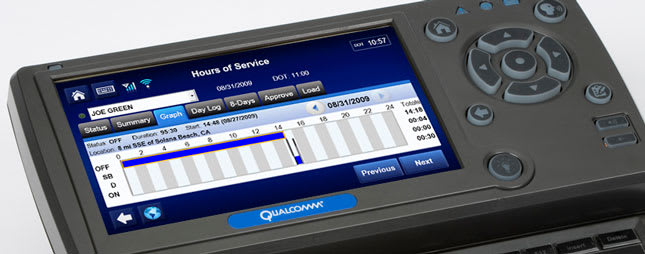
The Federal Motor Carrier Safety Administration is preparing to survey drivers and carriers on the role of electronic onboard recorders in driver harassment. Harassment became a key issue in the pending EOBR rule when an appeals court, acting on a challenge by the Owner-Operator Independent Drivers Association, said the agency needed to pay more attention to this concern.
Oliver Patton・Former Washington Editor
May 28, 2013
In 2011 the U.S. Court of Appeals for the District Columbia Circuit vacated the FMCSA's plan to mandate electronic recorders for hours of service because it had not addressed harassment.
2 min to read
In 2011 the U.S. Court of Appeals for the District Columbia Circuit vacated the FMCSA's plan to mandate electronic recorders for hours of service because it had not addressed harassment.
The Federal Motor Carrier Safety Administration is preparing to survey drivers and carriers on the role of electronic onboard recorders in driver harassment.
Harassment became a key issue in the pending EOBR rule when an appeals court, acting on a challenge by the Owner-Operator Independent Drivers Association, said the agency needed to pay more attention to this concern.
Ad Loading...
In 2011 the U.S. Court of Appeals for the District Columbia Circuit vacated the agency’s plan to mandate recorders because it had not addressed harassment.
In addition, the recorder mandate that Congress passed last year includes a provision requiring the agency to take harassment into account.
In response, the agency last December asked for comments on its plan to survey drivers.
Ad Loading...
Comments came from individual drivers, as well as industry associations such as OOIDA and American Trucking Associations.
Most of the drivers said they oppose electronic recorders, while ATA supported both recorders and the survey. OOIDA offered suggestions on what the survey should cover.
With these comments in hand, and having conducted public listening sessions on the issue, the agency is outlining the approach it plans to take.
It said it will generally examine harassment and coercion, and determine the role recorders might play. The surveys will cover carriers as well as drivers.
The agency will randomly survey drivers at truck stops, including those who already use recorders as well as those who do not. Neither the drivers nor their employers will be identified and the data will aggregated without reference to the driver or the fleet, the agency said.
Ad Loading...
In response to concerns from OOIDA, the agency posted a draft of the questions it plans to include.
It will, for example, ask drivers if they have been required to meet a schedule that they considered unrealistic, to drive when fatigued or to log incorrectly in order get more work time.
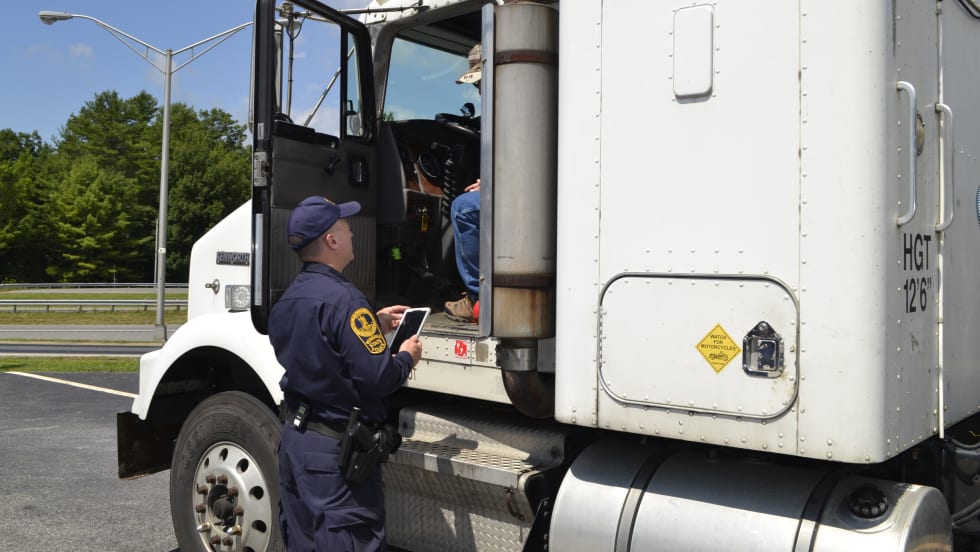
The survey also will cover drivers’ interactions with law enforcement officials. It will ask drivers who use recorders if they ever have difficulty producing records for officers, and if so was the problem big enough to make them feel harassed by the request.
In a Federal Register notice today the agency said it will submit its plans to the White House Office of Management and Budget for review, and asked for comments from the industry. Comments are due by June 27.
Cargo theft rings plant operatives as drivers inside legitimate, fully vetted carriers, then execute coordinated thefts that look like a traditional straight theft from the outside.
ATA’s Women In Motion Council and Trucker Path highlight three truck stops that meet all seven safety-focused criteria and rank highest among female drivers.
Western Star is expanding its Star Nation Experience in 2026, adding new competitions and dealer participation to highlight operator skills and promote careers in trucking.
CarriersEdge announced the 2026 Best Fleets to Drive For overall winners, with Crawford Trucking, Fortigo Freight Services, and FTC Transportation receiving top awards.
The Department of Labor plans to expand Pell Grant eligibility to some shorter workforce training programs, a move the American Trucking Associations said will help strengthen commercial driver training schools and diesel technician training programs.
For an industry that has watched this issue go back and forth for years, the independent contractor proposal marks the latest swing in the regulatory pendulum.
America’s Service Line adopted Link’s SmartValve and ROI Cabmate systems to address whole-body vibration, repetitive strain, and driver turnover. The trucking fleet is already seeing measurable results.