




NHTSA Proposes New Minimum Sound Requirements for Hybrid and Electric Vehicles
As required by the bipartisan Pedestrian Safety Enhancement Act of 2010, the U.S. Department of Transportation's National Highway Traffic Safety Administration is proposing that hybrid and electric vehicles meet minimum sound standards in order to help make all pedestrians more aware of the approaching vehicles
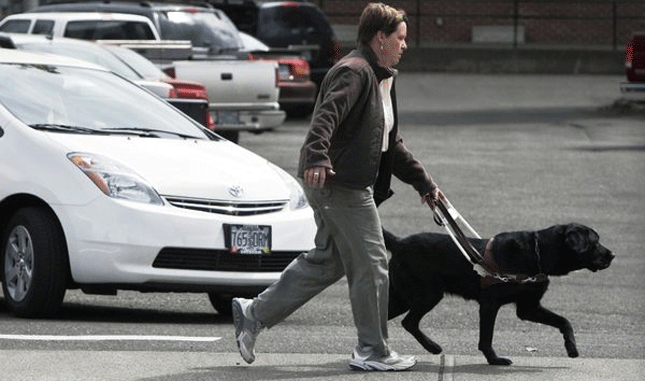
As required by the bipartisan Pedestrian Safety Enhancement Act of 2010, the U.S. Department of Transportation's National Highway Traffic Safety Administration is proposing that hybrid and electric vehicles meet minimum sound standards in order to help make all pedestrians more aware of the approaching vehicles.
"Safety is our highest priority, and this proposal will help keep everyone using our nation's streets and roadways safe, whether they are motorists, bicyclists or pedestrians, and especially the blind and visually impaired," said U.S. Transportation Secretary Ray LaHood.
Electric and hybrid vehicles do not rely on traditional gas or diesel-powered engines at low speeds, making them much quieter and their approach difficult to detect.
The proposed standard, Federal Motor Vehicle Safety Standard No. 141, would fulfill Congress' mandate in the Pedestrian Safety Enhancement Act that hybrid and electric vehicles meet minimum sound requirements so that pedestrians are able to detect the presence, direction and location of these vehicles when they are operating at low speeds.
"Our proposal would allow manufacturers the flexibility to design different sounds for different makes and models while still providing an opportunity for pedestrians, bicyclists and the visually impaired to detect and recognize a vehicle and make a decision about whether it is safe to cross the street," said NHTSA Administrator David Strickland.
The sounds would need to be detectable under a wide range of street noises and other ambient background sounds when the vehicle is traveling under 18 miles per hour. At 18 miles per hour and above, vehicles make sufficient noise to allow pedestrians and bicyclists to detect them without added sound.
Each automaker would have a significant range of choices about the sounds it chooses for its vehicles, but the characteristics of those sounds would need to meet certain minimum requirements. In addition, each vehicle of the same make and model would need to emit the same sound or set of sounds.
NHTSA estimates that if this proposal were implemented there would be 2,800 fewer pedestrian and pedalcyclist injuries over the life of each model year of hybrid cars, trucks and vans and low speed vehicles, as compared to vehicles without sound.
The proposal is now open to public comment for the next 60 days.
According to an article by the Motor & Equipment Manufacturers Association, there are a number of companies that have already begun working on adding technology so as to emit sounds at low speeds. These companies include the Chevrolet Volt, the Nissan Leaf and the Toyota Prius.
The cost of adding the speakers and technology is approximately $30, according to the MEMA article.
More Drivers

Prime Inc. to Open $7.9M Flagship Used-Truck Dealership
A new driver-focused facility to sell Prime Inc's used trucks and trailers will be the first purpose-built location in the company's history.
Read More →
Short Takes: Inside K&B’s Truck Safety Tech
Listen to learn how K&B Transportation uses cellphone-blocking technology, speed management systems, weather geofencing, bridge avoidance tools, and more to improve driver safety.
Read More →
Nussbaum Expands Driver Compensation with Pay Raises, Profit Sharing
Nussbaum Transportation said its latest compensation package could push first-year driver earnings above $90,000 in key hiring markets.
Read More →
Listen: Inside Modern Fleet Safety: AI, Cameras & Speed Control at K&B Transportation
Fleet safety is evolving fast—and technology is at the center of it. Learn how a former commercial vehicle enforcement officer turned director of safety at K&B Transportation is embracing real-world safety technology.
Read More →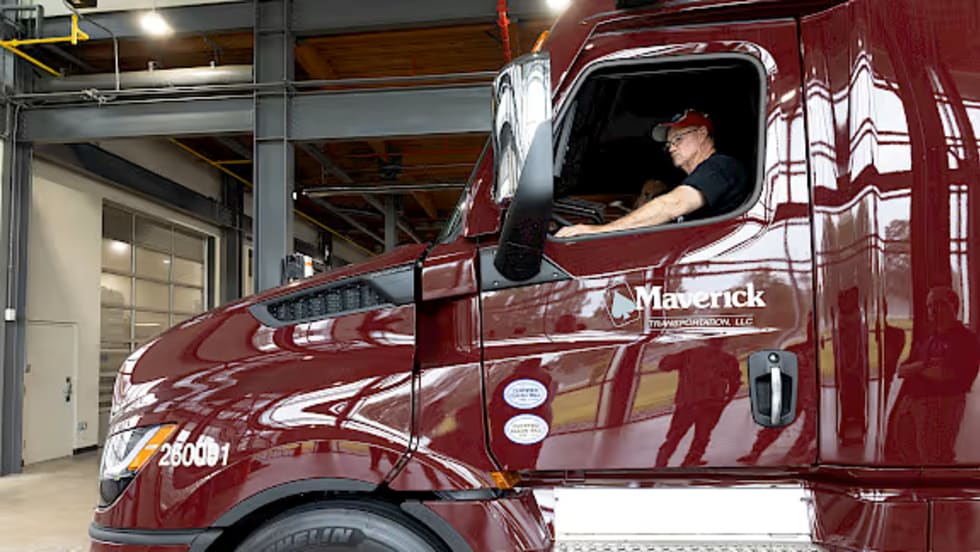
Maverick Announces 2026 Driver Pay Raises
New raises for Maverick Transportation drivers will take effect on May 31, 2026.
Read More →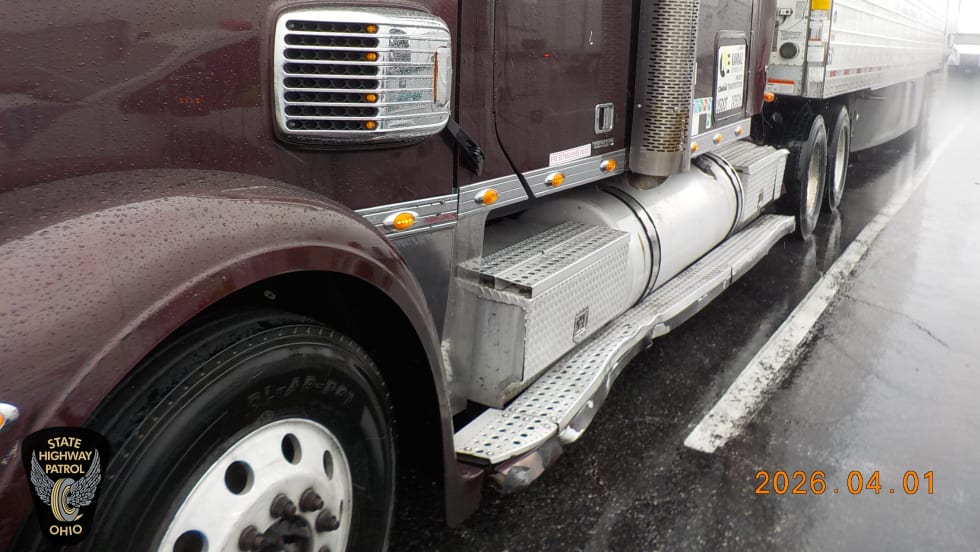
Illinois Trucker Indicted for Nearly $22,000 in Ohio Turnpike Toll Evasion
Authorities say an Illinois trucker avoided paying tolls for two years, and now faces felony charges, possible prison time, and forfeiture of his Freightliner tractor.
Read More →
New Trojan Driver Cargo Theft Scam Bypasses Carrier Vetting Systems
Cargo theft rings plant operatives as drivers inside legitimate, fully vetted carriers, then execute coordinated thefts that look like a traditional straight theft from the outside.
Read More →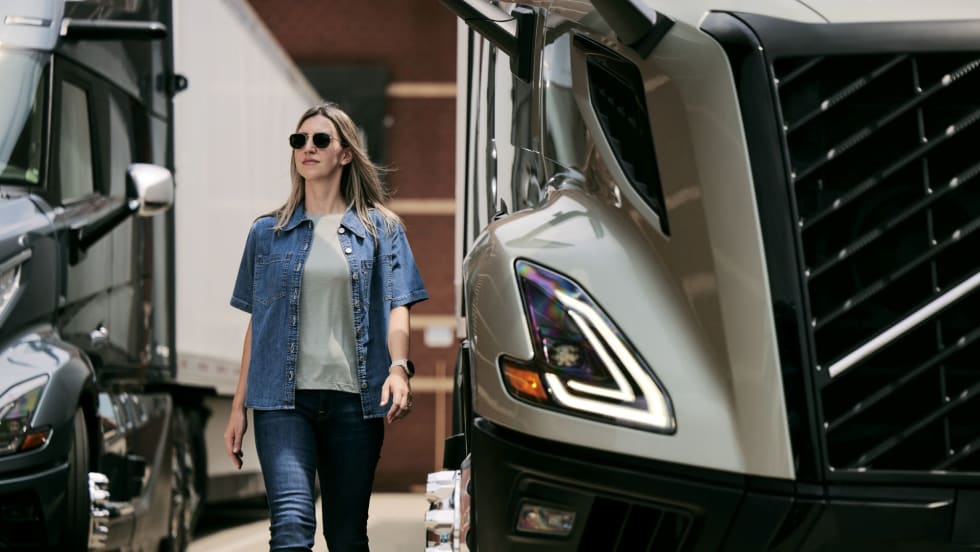
WIM, Trucker Path Name Top 3 Women-Friendly Truck Stops
ATA’s Women In Motion Council and Trucker Path highlight three truck stops that meet all seven safety-focused criteria and rank highest among female drivers.
Read More →
FMCSA Extends Paper Medical Card Exemption … Again
Five states still aren't ready to accept commercial driver medical exam information directly from the medical examiner's registry.
Read More →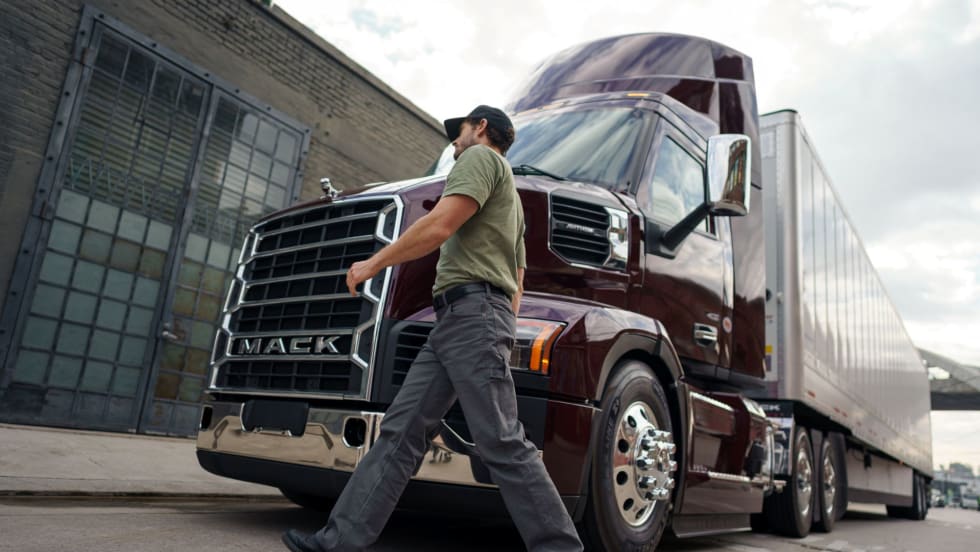
Mack Launches Digital Driver Guide for Chassis-Specific Truck Info
Mack’s new, virtual owner’s manual delivers VIN-based, on-demand guidance for vehicle systems via web, app, and soon in-cab displays.
Read More →