




ATA Celebrates Safety Accomplishments, Commits to Further Action
There has been substantive progress on more than half of 20 critical steps necessary to further reduce highway crashes, according to a new progress report released by American Trucking Associations on its progressive safety agenda. The report comes four years after ATA released its list of safety priorities and called on policymakers to do more to make trucks and their workplace, America's roadways, safer
There has been substantive progress on more than half of 20 critical steps necessary to further reduce highway crashes, according to a new progress report released by American Trucking Associations on its progressive safety agenda.
The report comes four years after ATA released its list of safety priorities and called on policymakers to do more to make trucks and their workplace, America's roadways, safer.
The Safety Agenda was developed by ATA's Safety Task Force and adopted by ATA's Board of Directors to improve the performance of both commercial and non-commercial drivers, and to make vehicles and motor carriers safer.
"ATA has been a vocal advocate for making common sense, data-supported, regulatory and legislative changes to improve the safety of our nation's highways," ATA President and CEO Bill Graves said. "Regulators and lawmakers at the state and federal level have answered ATA's calls in several areas, but there is still much more work to be done. For instance, though Congress has taken positive steps on electronic logging devices and on hair testing for drugs, ATA will continue to press for progress on these issues until meaningful changes are finally implemented."
Through the end of 2012, several areas identified by ATA such as the safe use of technology, establishment of a national registry for certified medical examiners, and a system to pre-screen potential truck drivers have been the subject of positive, substantial change.
Nine other areas - including; improving truck parking, enactment of primary seat belt laws, establishment of programs to target aggressive driving behaviors, development of crashworthiness standards for large trucks, and the creation of a clearinghouse for driver drug and alcohol test results - have seen some favorable progress, but still substantive changes have not yet been fully implemented.
There are still several areas, however, where no meaningful headway has been made. These include; implementation of a national speed limit of 65 mph and speed limiters for all commercial vehicles and for passenger vehicles for drivers with certain traffic convictions. And, the federal truck safety program, along with many states, is moving in the wrong direction on truck-involved traffic enforcement interventions.
"We're pleased that our state and federal safety partners have addressed or begun to address more than half of these actions to make commercial motor vehicles and their workplace safer, and remain committed to addressing all of these issues, and reversing negative trends, to further reduce highway crashes," said ATA Chairman Mike Card, president of Combined Transport, Central Point, Ore. "We hope our federal and state partners will continue to work with us to this end."
More Safety & Compliance

How HDT’s 2026 Truck Fleet Innovators Are Rethinking Fleet Operations
Meet five trucking leaders who are challenging assumptions, solving operational problems, and putting innovative ideas to work.
Read More →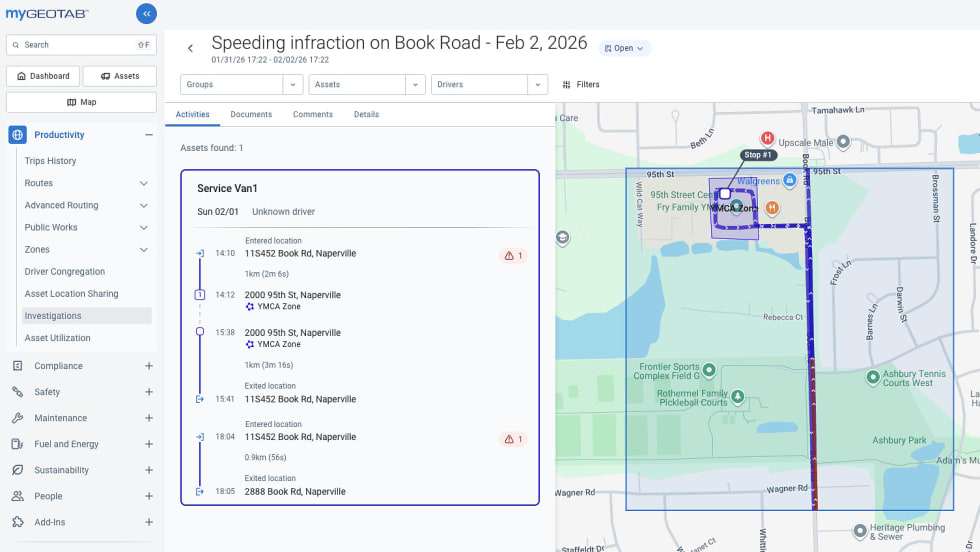
Geotab Launches Tool to Speed Fleet Incident Investigations
Geotab Investigations brings telematics data, video, photos, reports and other evidence into one case file to help fleets determine what happened and resolve incidents faster.
Read More →
FMCSA Moves to Codify English Language Requirements for Commercial Drivers
By changing regulations on English-language proficiency requirements for commercial drivers, rather than relying on a guidance memo, the FMCSA said future administrations won't be able to walk back the Trump administration's stricter enforcement with just a memo.
Read More →
Trump Administration Expands Homeland Security's Role in Trucking Enforcement
The administration's latest trucking crackdown goes beyond roadside inspections, expanding Homeland Security's role in commercial vehicle enforcement and investigations involving CDL training schools.
Read More →
Paccar Recalls 2027 Trucks Built This Summer for Possible Electrical Problem
The nearly 6,000 Kenworth and Peterbilt trucks in the recall could potentially lose engine power, among other things.
Read More →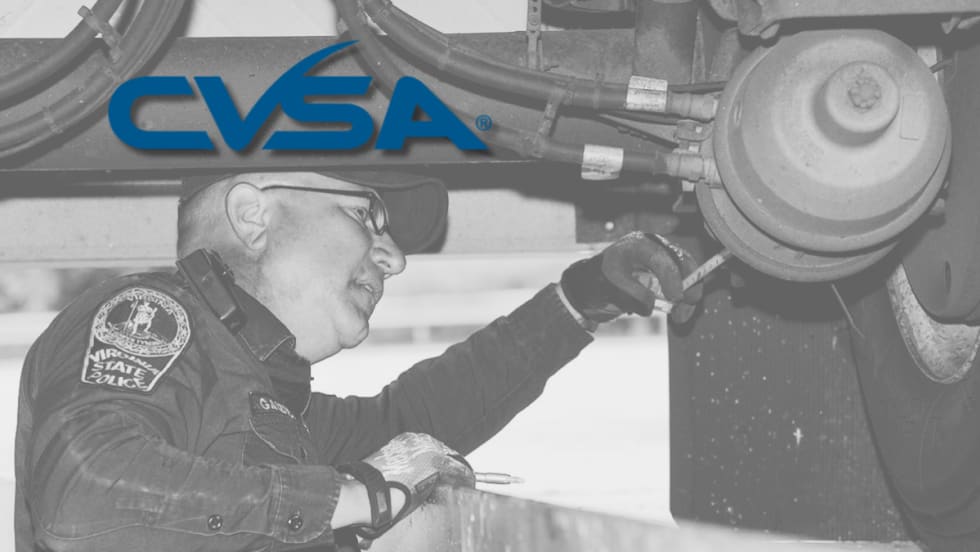
Brake Safety Week to Focus on Drums and Rotors
Commercial vehicle inspectors will be focusing on brakes during CVSA's Brake Safety Week, August 23-29.
Read More →
Trump Administration Looks to Put More Veterans Behind the Wheel
The Freedom Haulers program pulls together existing and expanded programs at several federal agencies to recruit veterans to drive commercial heavy-duty trucks and cut the red tape for them to get a CDL, training, and employment.
Read More →
$604 Million Verdict Tests Broker Liability After Supreme Court Ruling
C.H. Robinson plans to appeal after a Texas jury found it bore the largest share of responsibility for a fatal 2021 crash, in a case that follows the Supreme Court's Montgomery decision allowing negligent hiring claims against freight brokers.
Read More →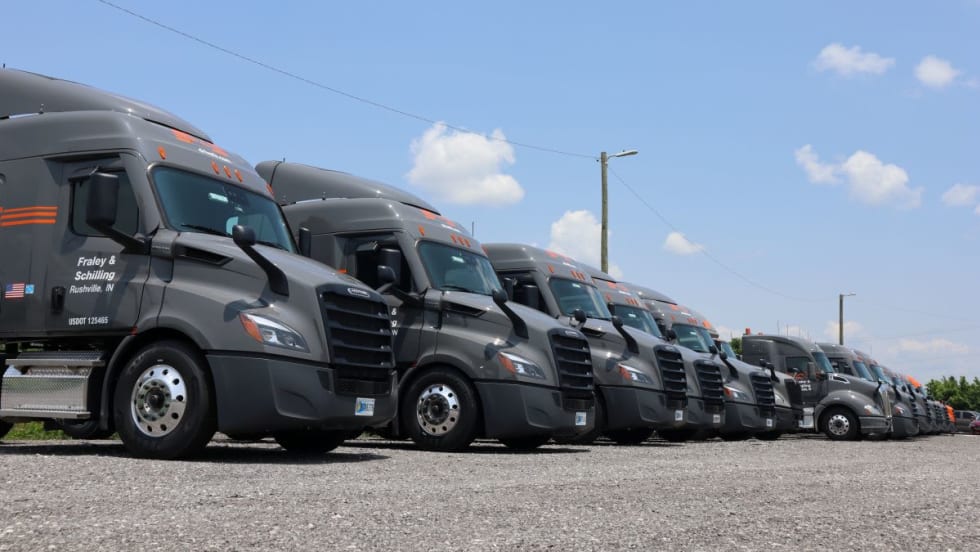
How Fraley & Schilling Improved Logbook Compliance by Over 50%
Fraley & Schilling needed a way to close a compliance workflow gap in its ELD system without adding more work from driver training, reminders, and back-office follow-ups. It found the answer in a custom driver app.
Read More →
Farewell, CDL: Why I'm Giving Up My Commercial Driver's License
After more than 20 years as a CDL holder, HDT Executive Editor Jack Roberts is letting his commercial license expire. Not because he wants to — but because trucking's nuclear verdict crisis has made the risks of public-road test drives too great for editors, manufacturers, and everyone involved.
Read More →