




Paccar Recalls Trucks with Problematic Bendix Air-Brake Valve
Paccar Inc., one of several manufacturers whose trucks are affected by problems with a Bendix air-brake valve, has issued a recall that includes 21 Kenworth and Peterbilt models
Paccar Inc., one of several manufacturers whose trucks are affected by problems with a Bendix air-brake valve, has issued a recall that includes 21 Kenworth and Peterbilt models.
Meanwhile, the other builders are notifying customers while deciding what further steps to take.
Some 50,000 to 60,000 trucks are affected, says Bendix Commercial Vehicle Systems, maker of the ATR-6 relay valve. Navistar International and Volvo said they are delaying shipment of thousands of trucks assembled with the valve and are notifying customers. Volvo's sister company, Mack, said only 11 of its trucks are involved and customers have been notified.
A "potential intermittent air leak" in extreme cold can cause service brakes to apply and other operational problems, Bendix announced last week. Offending valves were made between December 2, 2011, and January 18, 2012. Truck builders are now using a different valve for current production.
Owners of recently built International, Kenworth, Peterbilt and Volvo trucks should inspect the vehicles' relay valves to see if they are among the defective units, Bendix says. If so, the trucks should be taken to dealers for servicing. Inspection instructions and other information are on Bendix's website.
Daimler Trucks North America has not used the Bendix ATR-6 valve, says a DTNA spokesman, so Freightliner and Western Star trucks are not affected.
Paccar's recall includes some Kenworth W900 and T series trucks and tractors, and the Peterbilt 300 series plus the 587.
Its recall notes the possibility of "unexpected continuous brake application," and says that this "can cause the brakes to overheat and lead to a fire" and "can cause the driver to lose control of the vehicle, increasing the risk of a crash.
"Also, the brakes may be applied without illuminating the brake lights, failing to give proper warning to other vehicles."
These things can happen at zero degrees Fahrenheit and below, said the Paccar notice, quoting Bendix's earlier statement. Paccar's notice is on the U.S. Department of Transportation's SaferCar website.
Bendix said that a "temporary remedy kit" will allow affected trucks to stay in service. The kit contains an O-ring and a plug that, when inserted into the valve, disables its stability control function. A permanent fix is forthcoming, the company said.
Navistar International's chairman, Daniel Ustian, told stock analysts last week that delaying shipments of trucks is expected to contribute to first-quarter financial losses. The other manufacturers have not made similar statements.
More Safety & Compliance
How Waste Connections is Using Data, Telematics, and AI
How do you manage and maintain more than 18,000 connected trucks? Data. Lots of it.
Read More →
Fleet Advantage: Top Logistics Fleets Outperform National Safety Benchmarks
Fleet Advantage's latest TRUST Safety Index found leading logistics fleets maintained significantly lower out-of-service rates and stronger safety scores than national averages, while highlighting persistent challenges related to tires, brakes, and unsafe driving behaviors.
Read More →
Why Fleet Data Matters More Than Ever at Waste Connections [Watch]
Waste Connections' Chuck Palmer explains how telematics, predictive maintenance, safety analytics, and AI help keep vehicles on the road and drivers safe in this episode of HDT Talks Trucking.
Read More →
Short Takes: How K&B is Using AI
Fleets need to "get on board the train" with AI, says Lance Evans of K&B Transportation in this HDT Talks Trucking Short Takes episode.
Read More →
Short Takes: Inside K&B’s Truck Safety Tech
Listen to learn how K&B Transportation uses cellphone-blocking technology, speed management systems, weather geofencing, bridge avoidance tools, and more to improve driver safety.
Read More →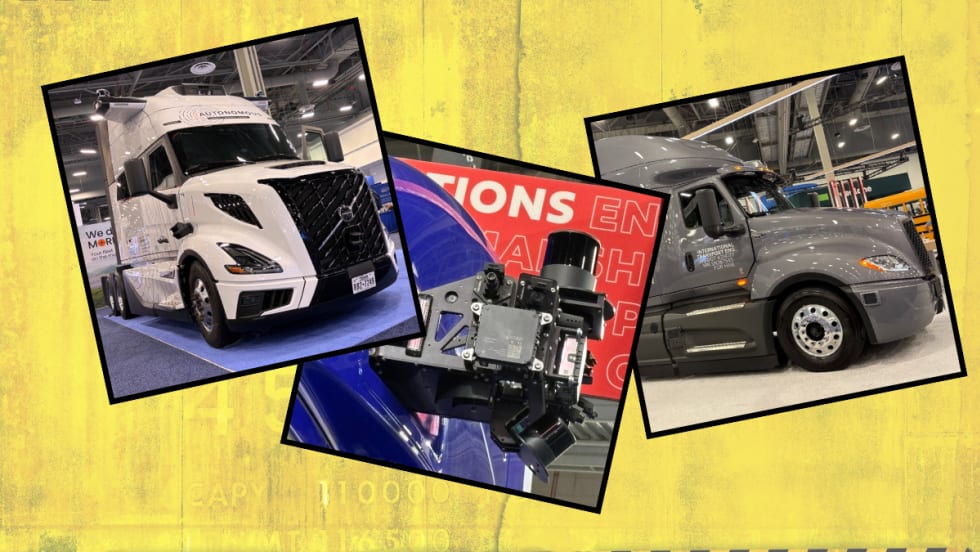
The Biggest Gap in Driverless Trucking Isn’t Tech. It’s Safety Validation
Nauto’s Stefan Heck says autonomous trucks are advancing quickly but proving they’re safe enough for large-scale deployment may be the industry’s hardest challenge.
Read More →
Truck Crash Rates Are Down. So Why Do Insurance Costs Keep Rising?
ATRI’s latest research points to litigation, social inflation, and soaring claims costs as key drivers behind record-high liability premiums for trucking fleets. But there are things motor carriers can do.
Read More →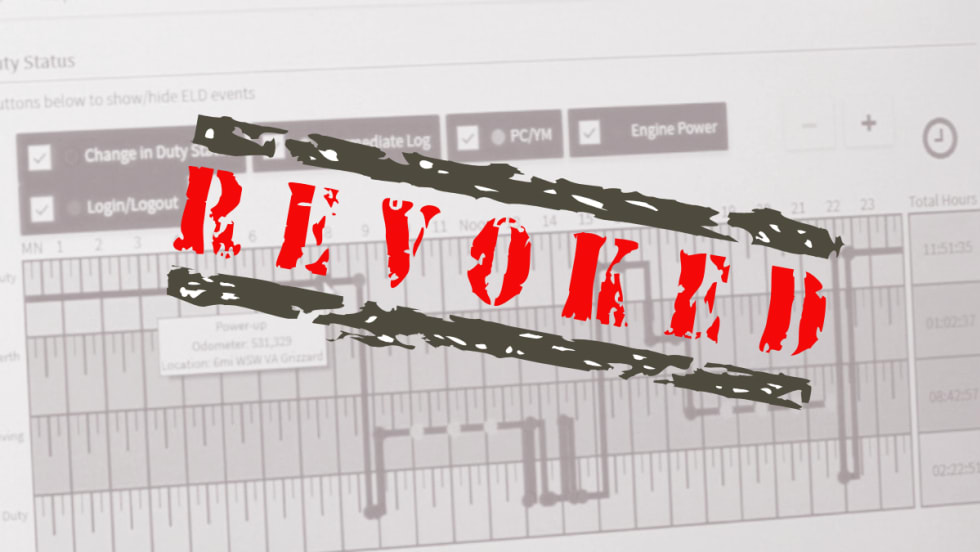
FMCSA Removes More Than a Dozen ELDs from Registered List
The FMCSA continues its efforts to fight electronic logging devices that don't meet federal requirements, removing more than a dozen from the registered ELD list in May.
Read More →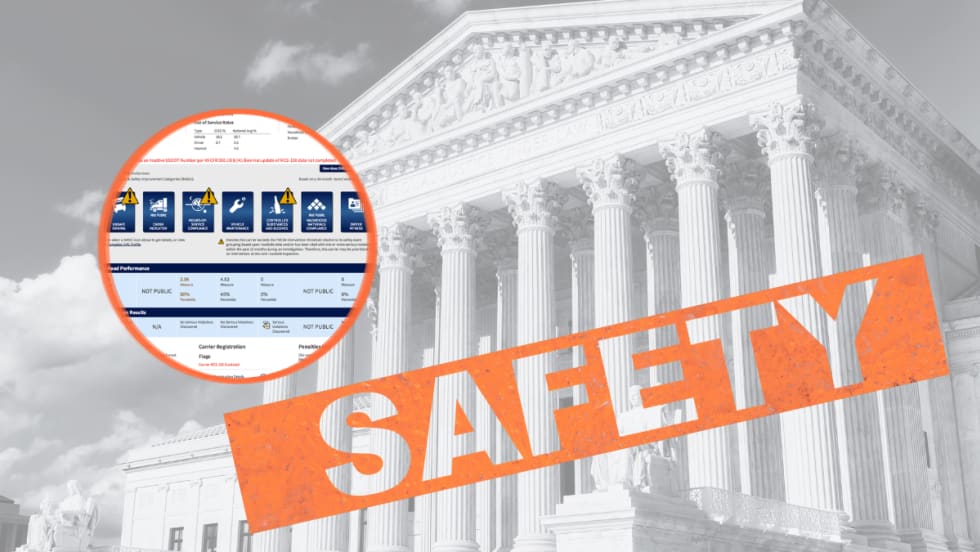
How the Supreme Court Broker Liability Ruling Could Reshape Trucking’s Safety Landscape
The Supreme Court’s May 11 broker-liability ruling may not radically rewrite transportation law overnight. But industry experts say it will intensify pressure on brokers, carriers, and shippers to prove they are prioritizing safety.
Read More →
Recall of Fontaine Fusion Flatbeds Warns Owners Not to Use the Trailers
Some Fontaine Fusion flatbed trailer manufactured between February 2025, and March 2026 could have mainbeams weakened by hydrogen embrittlement because of a problem in the galvanizing process.
Read More →