




Pressure Grows to Prohibit Flammables in Tanker Wet Lines
The pressure is on in Washington to get flammable liquids out of the pipes beneath cargo tanks. These "wet lines" can carry up to 50 gallons of cargo. In a crash they occasionally rupture and spill their contents, sometimes to fatal effect. That happened last July in New Jersey, when a car struck a gasoline tanker, wedged beneath the tank and burned in the spill of 13 gallons of gas from the wet lines
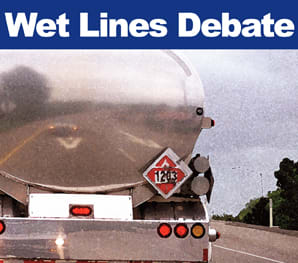
The pressure is on in Washington to get flammable liquids out of the pipes beneath cargo tanks. These "wet lines" can carry up to 50 gallons of cargo. In a crash they occasionally rupture and spill their contents, sometimes to fatal effect. That happened last July in New Jersey, when a car struck a gasoline tanker, wedged beneath the tank and burned in the spill of 13 gallons of gas from the wet lines,
killing the driver.
Rep. James Oberstar, D-Minn., cited this and other incidents in his introduction of a measure that would prohibit flammable liquid in wet lines, starting two years from passage of the law for new tank trucks and at the end of 2020 for tankers already in service. This is one provision in a bill to reauthorize the federal hazardous materials safety program run by the Pipeline and Hazardous Materials Safety Administration. Other major provisions would regulate transportation of lithium batteries in airplanes, improve training for emergency responders, toughen hazmat permitting and almost double the number of federal hazmat investigators.
It is not clear if the Senate will seek a similar provision - it has not introduced its version of the bill.
Trucking concerned
Trucking interests are deeply concerned about the wet lines provision, which would in effect require tank lines to retrofit a pumping system to empty the lines. The prohibition goes to Class 3 flammable liquids, which includes petroleum fuels.
"We believe that the industry's safety record demonstrates that a mandate for wetlines-purging equipment is simply not justified," said Barbara Windsor, President of Hahn Transportation, a tank line, and First Vice Chairman of American Trucking Associations.
Oberstar said that there have been 184 incidents over the past decade in which wet lines were damaged or ruptured. PHMSA has identified 13 fatalities and seven injuries from crashes involving wet lines. Six of the fatalities and all of the injuries were attributable to spills from the wet lines, as opposed to the impact of the collision.
Windsor said that there have been more than 180 million shipments of flammable liquids in that period, making the risk of a fatal wet lines incident about one in 30 million. "The odds of being struck by lightning during your lifetime are 6,000 times greater than the odds of being killed in a wet lines incident," she said in testimony November 16 to the Subcommittee on Railroads, Pipelines and Hazardous Materials, a panel of the House Transportation and Infrastructure Committee which Oberstar chairs.
NTSB support
The wet lines prohibition has been a long-time goal of the National Transportation Safety Board. Last May Board member Deborah Hersman told the hazmat subcommittee that the risk of wet lines has been recognized for 30 years and reiterated an earlier call for prohibition. "Because the risk is primarily from cargo tank vehicles making gasoline deliveries at neighborhood service stations and convenience stores, the exposure of the public is not acceptable," she said in her testimony.
Five years ago, in response to NTSB pressure, PHMSA looked into the possibility of a rule prohibiting flammables in wet lines, and then rejected the idea when it found that the costs exceeded the benefits. Last September it gave notice that it intends to begin a new rulemaking "to prohibit flammable liquids from being transported in unprotected product piping on existing and newly manufactured DOT specification cargo tank motor vehicles." The proposal has not yet been published.
Costs
A major issue in both the legislation and the rulemaking will be the cost and risk of retrofitting the tanker fleet.
In the earlier rulemaking, estimates of the cost varied by source. PHMSA, for example, estimated that 15,000 tank trailers would be affected at a cost of up to $4,000 per trailer. The industry, on the other hand, said 26,000 trailers would be affected at a cost of up to $5,000 each.
Daniel Furth, Vice President of the National Tank Truck Carriers, said it is important for legislators and rulewriters to understand that tankers are considerably different from other types of trailers.
"In the tank truck business the equity investment is the trailer," he said, noting that tank carriers will keep their trailers for 20 or more years because they are so expensive to buy.
That longevity means that Oberstar's proposal would require the tanker fleet to retrofit line-purging equipment. This would impose considerable risk to carrier personnel, because it is extremely dangerous to weld or otherwise mount wet lines purging equipment onto a fuel tank, even when it has been cleaned, Furth said.
Welding operations on tankers have led to fires and explosions that have killed at least 20 workers over the past decade, NTTC has found. The risk would be compounded if carriers had to undertake an industry-wide retrofit under the pressure of a mandate, Furth said.
Alternatives urged
Hahn, in her testimony, urged Congress to back off the mandate in the bill and let PHMSA come up with a regulatory solution. By prohibiting the transport of flammables in wet lines, Congress would prevent development of alternatives, she said. The bill should be amended to let the agency review tank design and permit wet line transportation in cases where there is little risk. Another alternative she suggested was to require petroleum terminals to remove flammables from wet lines during the loading process.
"It seems much more reasonable to require modification of a couple of hundred petroleum loading racks, than to require tens of thousands of cargo tanks to be retrofitted and redesigned," she said.
More Drivers

Trump Administration Looks to Put More Veterans Behind the Wheel
The Freedom Haulers program pulls together existing and expanded programs at several federal agencies to recruit veterans to drive commercial heavy-duty trucks and cut the red tape for them to get a CDL, training, and employment.
Read More →
Putting Mack’s Command Steer to the Test
A test drive of Mack’s Command Steer active steering system evaluates how it can make truck driving easier and less tiring.
Read More →
Competition Heating Up for Truck Drivers
New report reveals rising driver hiring costs, the return of sign-on bonuses, growing AI advantages, and the operational factors shaping driver retention.
Read More →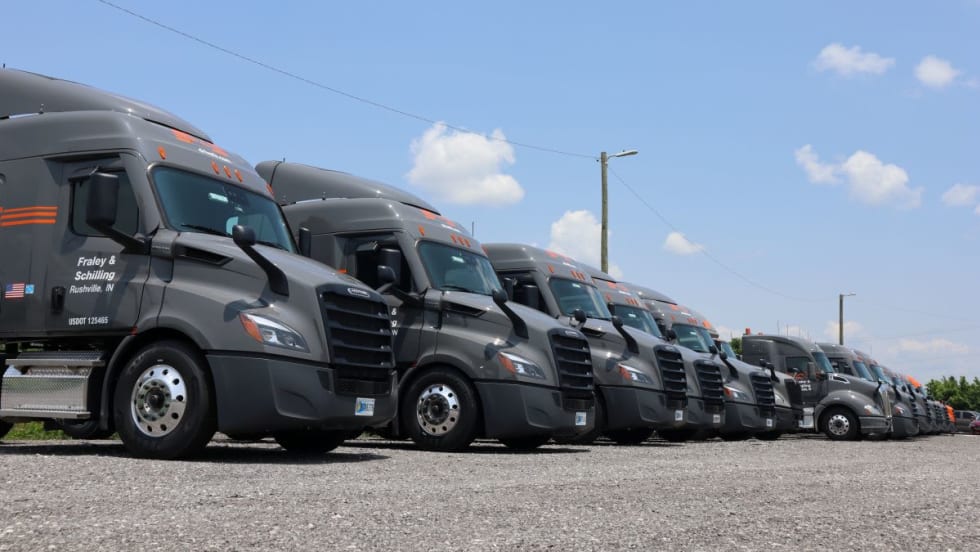
How Fraley & Schilling Improved Logbook Compliance by Over 50%
Fraley & Schilling needed a way to close a compliance workflow gap in its ELD system without adding more work from driver training, reminders, and back-office follow-ups. It found the answer in a custom driver app.
Read More →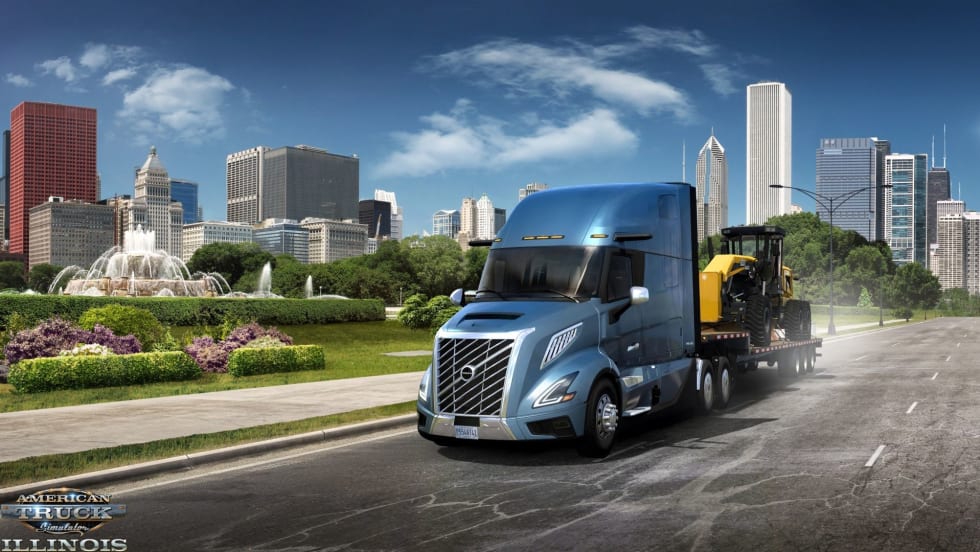
Volvo Goes Gaming
Volvo has roared into American Truck Simulator with two new flagship trucks.
Read More →
What the Best Fleets to Drive For Teach About Driver Retention
Survey fatigue, AI-powered routing, owner-operator expectations, and the decline of social media all emerged as themes from this year's Best Fleets to Drive For program.
Read More →
Driver Retention Lessons From the Best Fleets to Drive For
What separates trucking's best workplaces from the rest? Jane Jazrawy shares the biggest lessons from this year's Best Fleets to Drive For program on driver retention, communication, AI, and workforce trends on the HDT Talks Trucking podcast.
Read More →
Farewell, CDL: Why I'm Giving Up My Commercial Driver's License
After more than 20 years as a CDL holder, HDT Executive Editor Jack Roberts is letting his commercial license expire. Not because he wants to — but because trucking's nuclear verdict crisis has made the risks of public-road test drives too great for editors, manufacturers, and everyone involved.
Read More →
How Top Trucking Fleets Improve Driver Retention [Video]
What do healthy snacks, optimized routing, and just picking up the phone have in common? They're all strategies the Best Fleets to Drive For are using to retain truck drivers.
Read More →
Trucker Path Adds Verisk CargoNet Theft Data to Navigation Platform
Trucker Path’s new cargo theft risk overlays give drivers and fleets visibility into high-risk areas, stolen commodity trends, and theft hotspots.
Read More →